4TB SSD Prices Are Spiraling Out of Control as Storage Costs Surge in 2026
Buying a fast, high-capacity 4TB SSD for under $200 now feels almost impossible. Just a few years ago, shoppers could find excellent deals on large solid-state drives, but the storage market has changed dramatically. In 2026, even many 2TB SSDs are being listed around the $300 mark, making affordable storage upgrades harder to justify for everyday users.
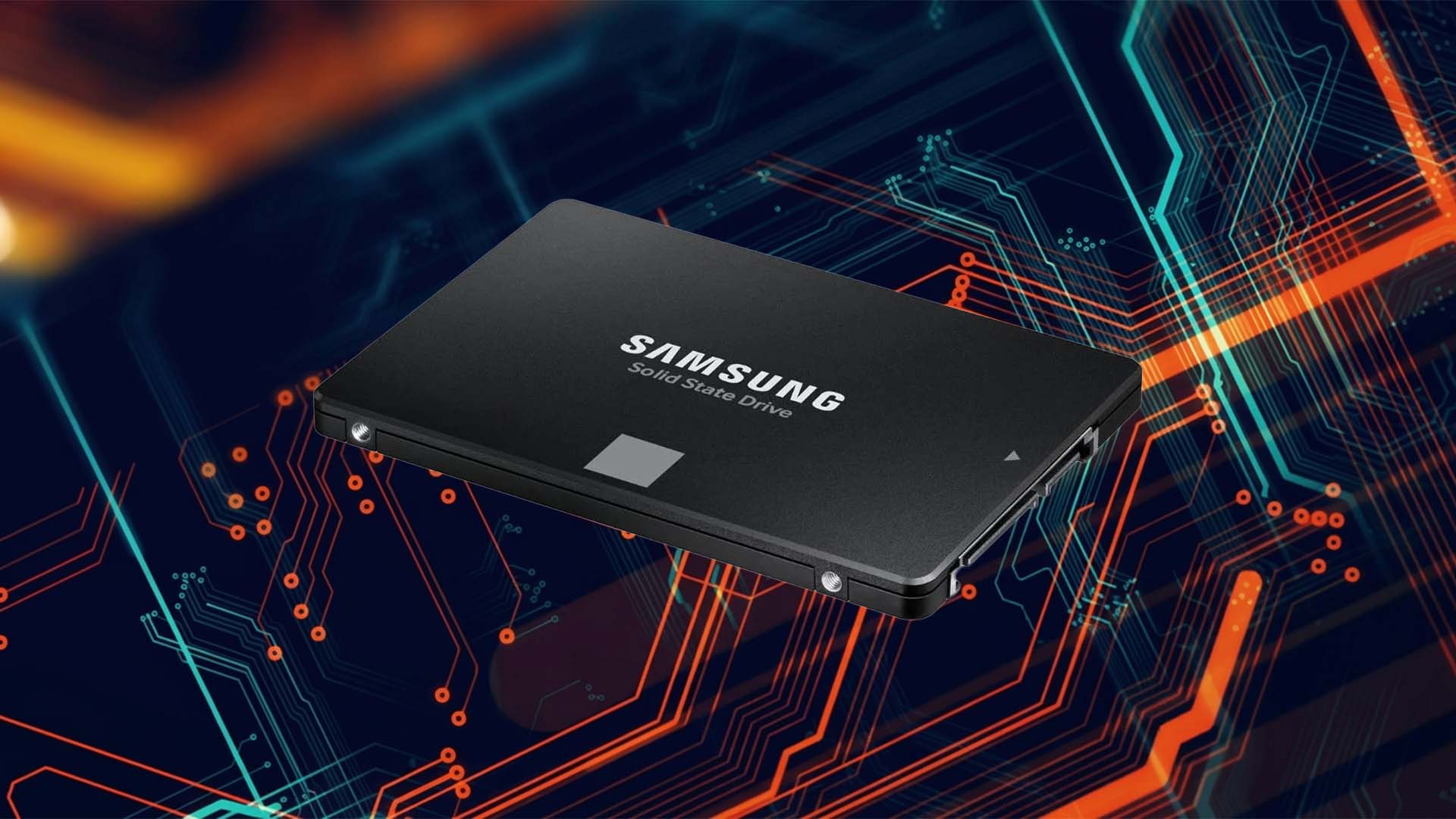
A striking example comes from a Samsung 870 EVO 4TB SATA SSD purchase made in October 2023. At the time, the drive reportedly cost just $169.99. Today, the same 4TB model has been seen listed for an eye-watering $1,099.90. That is more than six times the earlier price and highlights how severe the SSD pricing situation has become.
The price jump is especially frustrating because SATA III SSDs were once known for offering strong value. They may not match the raw speed of modern PCIe NVMe drives, but they have remained popular for upgrading older laptops, expanding desktop storage, and replacing slow hard drives. For many users, a 4TB SATA SSD was the perfect balance of capacity, reliability, and affordability.
That advantage is now fading. The ongoing memory and DRAM supply crunch, combined with rising demand from AI-related infrastructure, has put pressure on the consumer SSD market. As companies prioritize high-demand enterprise storage and memory products, regular PC builders and laptop users are left facing higher prices.
Fortunately, not every 4TB SATA SSD has crossed into four-digit pricing. Some alternatives are still available at far lower prices if buyers are willing to search carefully. For example, a 4TB TeamGroup T-FORCE VULCAN Z SATA III SSD has been spotted around $329.99 after a discount. That is still much higher than the best SSD deals from previous years, but compared with a $1,100 listing, it looks far more reasonable.
The problem is that the entire storage market has shifted upward. Even 2TB PCIe Gen 4 NVMe SSDs, which offer much faster speeds, can cost close to $290 depending on the model. A drive such as the Crucial P310, with speeds rated up to 7,100MB/s, may appeal to users who need performance, but it still shows how expensive mainstream SSD upgrades have become.
For anyone using an older laptop or desktop PC, SATA III SSDs can still make sense. They are excellent for storing games, photos, videos, documents, and large media libraries, especially when ultra-fast transfer speeds are not the top priority. A 4TB SATA SSD can also breathe new life into older systems that do not support modern NVMe drives.
However, buyers focused on speed should consider a PCIe NVMe Gen 4 SSD instead. These drives offer much faster read and write performance, making them better suited for gaming, video editing, large file transfers, and demanding workloads. If the price difference between SATA and NVMe storage is small, an NVMe SSD is usually the better long-term investment.
The bigger issue is timing. Shoppers who bought large SSDs in 2022 or 2023 likely secured some of the best deals the market may see for a while. With current supply constraints and demand from AI servers continuing to reshape the memory industry, affordable high-capacity SSDs may remain difficult to find in 2026.
For now, the best strategy is to compare prices carefully, avoid panic buying, and consider whether capacity or speed matters more for your setup. A 4TB SSD is still a valuable upgrade, but the days of grabbing one for under $200 appear to be gone, at least for the foreseeable future.