MNT Station Mini PC Launches as a Premium Open-Source Enclosure for Reform Mainboards
The MNT Station Mini PC is now live through crowdfunding, giving open-source hardware fans a compact, premium enclosure designed around the MNT Reform ecosystem. First announced a few months ago, the MNT Station is aimed at developers, tinkerers, Linux users, and anyone who wants a modular mini PC with upgrade-friendly hardware.
At its core, the MNT Station is not a traditional all-in-one mini PC. Instead, it is a carefully machined desktop enclosure built for the MNT Reform Mainboard, including the latest MNT Reform Mainboard 3.0 as well as older 2.0 and 2.5 versions. That means existing Reform users can reuse their current board and simply install it into the new enclosure, making it an appealing option for those already invested in the platform.
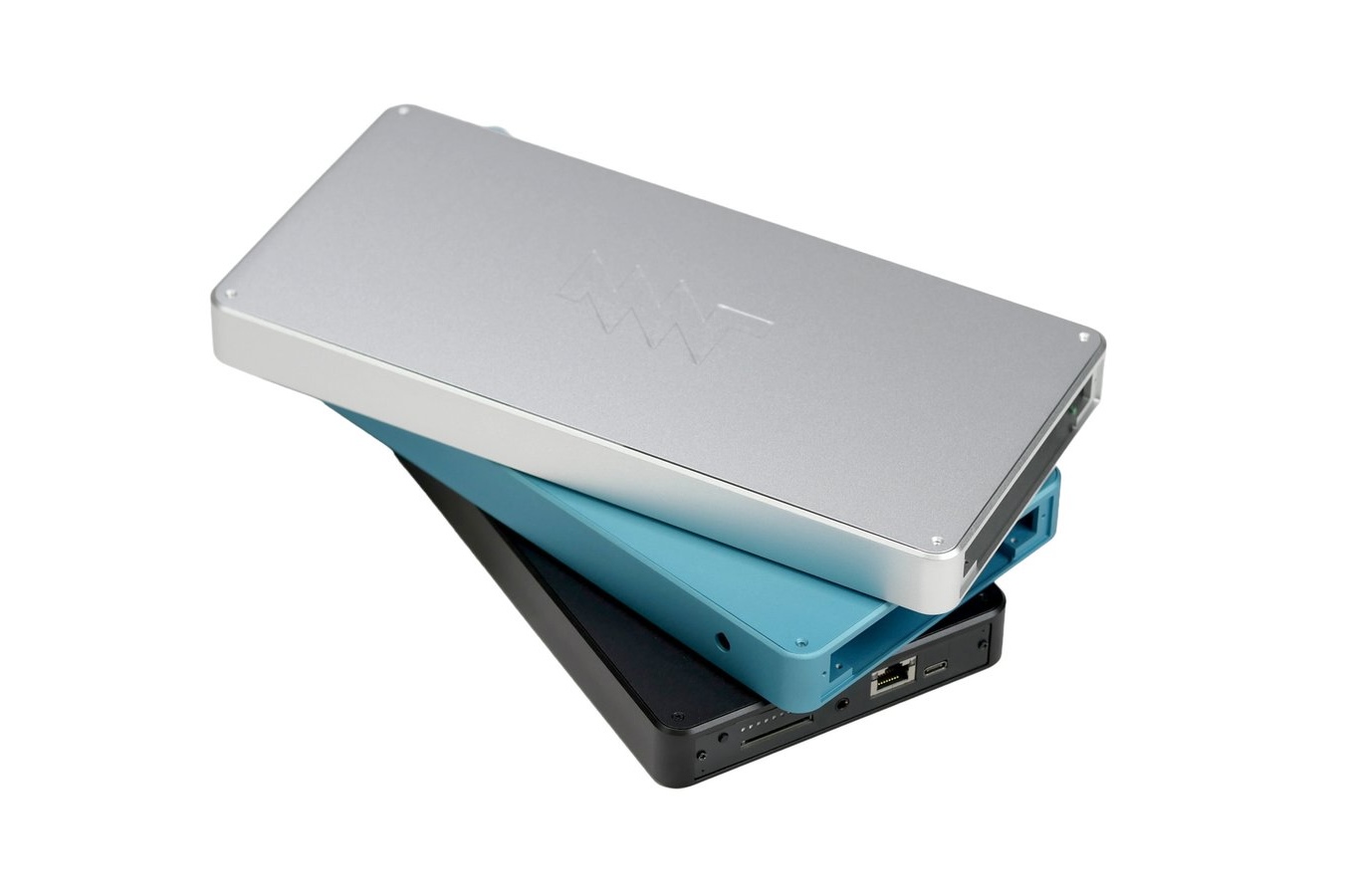
The case is fully CNC-milled from anodized aluminum, giving the device a clean, durable, and premium look. It measures roughly 28 x 13.3 x 2.6 cm, or about 11 x 5 x 1 inches, making it slim enough for a desk setup while still offering room for expansion and practical connectivity. The enclosure is available in three color options: black, silver, and petrol, a blue-toned finish.
The key attraction of the MNT Station is its flexibility. The MNT Reform Mainboard 3.0 includes a 200-pin processor module connector, allowing users to choose from multiple compatible compute modules depending on their performance needs, software preferences, and budget.
One option is the Raspberry Pi CM4, a well-known compute module that remains popular for compact Linux systems, embedded projects, and maker-focused builds. Another more powerful option is the Rockchip RK3588 V2 module, which can be configured with up to 32 GB of RAM. The RK3588 chip uses an eight-core CPU layout with four Cortex-A76 cores and four Cortex-A55 cores, paired with a Mali-G610 MP4 GPU.
For users interested in networking, industrial, or developer-focused workloads, MNT also offers an NXP LS1028A module. This module includes dual Cortex-A72 cores, a Vivante G7000UL GPU, and 16 GB of DDR4 RAM.
Storage and expansion options are also strong for a compact open-source mini PC. The MNT Station supports up to 256 GB of eMMC storage, includes a mini PCIe slot, and also provides an M.2 slot for NVMe SSDs. This makes it suitable for lightweight desktop computing, software development, server tasks, network projects, and experimental hardware setups.
Connectivity includes three USB 3.0 Type-A ports, USB Type-C with power delivery, HDMI, 1G Ethernet, a 3.5 mm audio jack, and an SD card slot. For a device built around modular open-source hardware, this port selection should cover most everyday and development-focused use cases.
The crowdfunding campaign for the MNT Station is currently underway and has already raised close to $9,100. The funding period is scheduled to end on September 25.
Pricing starts at $299 for the MNT Station enclosure. The MNT Reform Mainboard 3.0 costs $429, though that price does not include a CPU module. The MNT RK3588 V2 module is priced at $899 for the 16 GB RAM version, while the NXP LS1028A module with 16 GB RAM comes in at $675. The Raspberry Pi CM4 option is far more affordable, with the 8 GB RAM version priced at $160.
For buyers who want a simple plug-and-play mini PC, the MNT Station may not be the most conventional choice. But for open-source hardware enthusiasts, developers, and users who value repairability, modularity, and long-term customization, it stands out as a distinctive alternative to mainstream compact desktops. With its premium aluminum build, broad module compatibility, and support for multiple Reform mainboards, the MNT Station could become a compelling choice for anyone looking to build a flexible Linux-friendly mini PC.