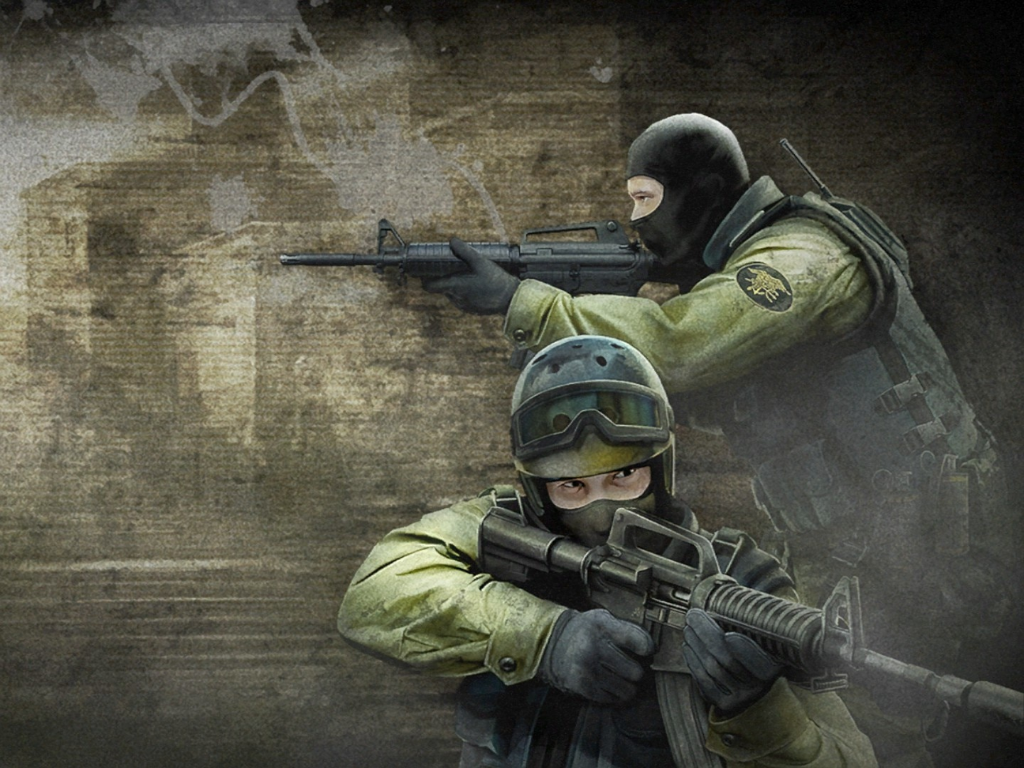
Minh “Gooseman” Le is widely recognized as one of the key creators behind Counter-Strike, the iconic first-person shooter that continues to attract millions of active players every day. What started as a college-dorm passion project in the late 1990s—built as a mod for Half-Life with fellow developer Jess Cliffe—eventually grew into a global phenomenon. Today, that legacy lives on through Counter-Strike 2, a game that has become a massive earner for Valve and a cornerstone of competitive gaming culture.
But in a candid recent interview with Edge Magazine, Le revealed something many longtime fans may not expect: he still has regrets about leaving Valve before the company and the Counter-Strike franchise reached their modern-day financial heights. He explained that staying in touch with people at Valve has made the contrast hard to ignore, saying he notices former colleagues are “really well off financially.” It’s an honest, human moment—especially considering how enormous Counter-Strike has become.
The scale of Counter-Strike 2’s success isn’t only tied to tight gameplay and esports dominance. The game’s economy has evolved into something much bigger, powered in part by rare cosmetic weapon skins that can become incredibly valuable. That player-driven marketplace, combined with Counter-Strike’s long-standing popularity, has helped turn the franchise into a true money-making powerhouse.
Le’s relationship with Valve began when the company recognized Counter-Strike’s potential and brought him on board in 2000, when he was just 20 years old. For a young developer, it was a dream scenario. He described Valve as his idols and said it felt surreal that they had acknowledged what he and Cliffe had built.
Counter-Strike didn’t just become popular by accident. Over time, it went through major revisions that helped define its identity: structured rounds, team-based objectives, and an in-game economy that made every decision matter. These changes helped it stand apart in the FPS space and laid the groundwork for the strategic formula players still love today.
However, after about a year at Valve, Le began to feel boxed in creatively. Looking at the direction of the project, he felt Counter-Strike wasn’t really evolving the way he hoped. In his words, he could see what the game had become, and it “hadn’t really changed in six years.” When he was assigned to work on Counter-Strike: Source—a project that leaned more toward a graphical upgrade than bold new gameplay ideas—Le wanted to push further. That mismatch in vision ultimately led to a respectful parting of ways after a conversation with Gabe Newell and other Valve leaders.
Le recalled being told that Valve believed he would develop better on his own rather than in a professional environment. With hindsight, he knows remaining at Valve could have set him up for an early retirement, especially given how lucrative the Counter-Strike brand became. Still, he doesn’t frame his decision as a total loss. He described his post-Valve journey as harder, but more fulfilling, saying it helped him grow not just as a developer, but as a person. Leaving also exposed him to sides of the game industry he likely never would have experienced if he’d stayed.
It’s a story that hits on a timeless conflict in the creative world: financial security versus personal growth. Minh Le helped shape one of gaming’s most enduring franchises, and even with some lingering “what if” feelings, he views his path as challenging—but ultimately rewarding.