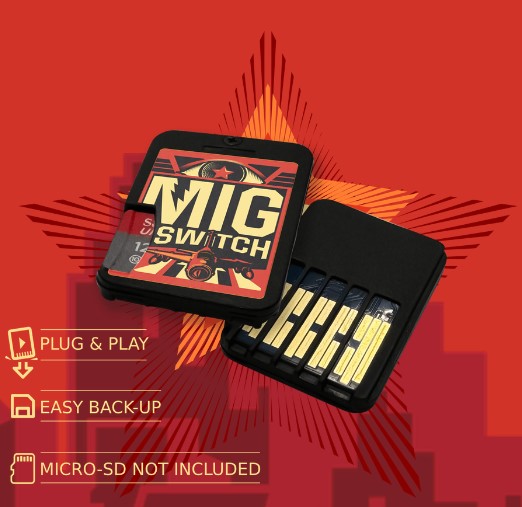
As the gaming community explores the capabilities of the Mig Switch, it’s clear that its primary selling point could be the ability for users to back up their existing game libraries. This tool could ostensibly serve as a means for gamers to consolidate their collections onto a single cartridge or to preserve their games indefinitely. Despite these seemingly legitimate uses, the reality of the situation is that devices like the Mig Switch often become synonymous with piracy.
For a bit of historical context, Nintendo consoles, dating back to the GameBoy era, have had their own versions of flash carts, which unfortunately have gained a reputation mostly for facilitating the playing of pirated games from the Internet. Unlike these previous iterations, the Mig Switch lacks a notable feature: compatibility with the homebrew community’s extensive software offerings.
Since the discovery of an unpatchable exploit within the original Switch console, the homebrew scene has witnessed significant growth, leading to the development of emulators for many classic consoles, game streaming solutions, and even alternative operating systems like Android. While it’s possible to mod newer versions of the Switch, such as the Switch Lite, to run this software, the complex and risky nature of the required technical modifications limits access to those possess the necessary skills, knowledge, and risk tolerance.
Given this context, the lack of homebrew support reported for the Mig Switch is noteworthy. The inconvenience of manually switching cartridges combined with the potential for hardware damage makes the prospect less appealing. Furthermore, the Switch has seen a unique appeal for what it can do beyond standard gameplay, thereby increasing the desirability of a Mig Switch that could easily access a wide array of homebrew content.
Despite the potential legal ethical uses of the Mig Switch, such as game backups, the overlaps with piracy practices cannot be ignored. The absence of a strong argument in favor of homebrew compatibility makes the device a likely target for legal action from corporations like Nintendo, especially given the decades-long stance against piracy and unauthorized modifications.
In an ideal scenario, a method to enable homebrew on an unmodified console would greatly enhance the functionality of the Nintendo Switch, opening up a wide range of additional uses beyond officially sanctioned games and applications. However, with the vigilant enforcement history of Nintendo, challenges remain in keeping such innovations within legal boundaries without official endorsement or support.
The anticipation amongst gamers and tech enthusiasts for a more open ecosystem continues. The hope is to see a future where devices such as an unrestricted Mig Switch can exist without legal repercussions, allowing users to fully enjoy the capabilities of their consoles and breathing new life into what has become a staple gaming device for millions worldwide.