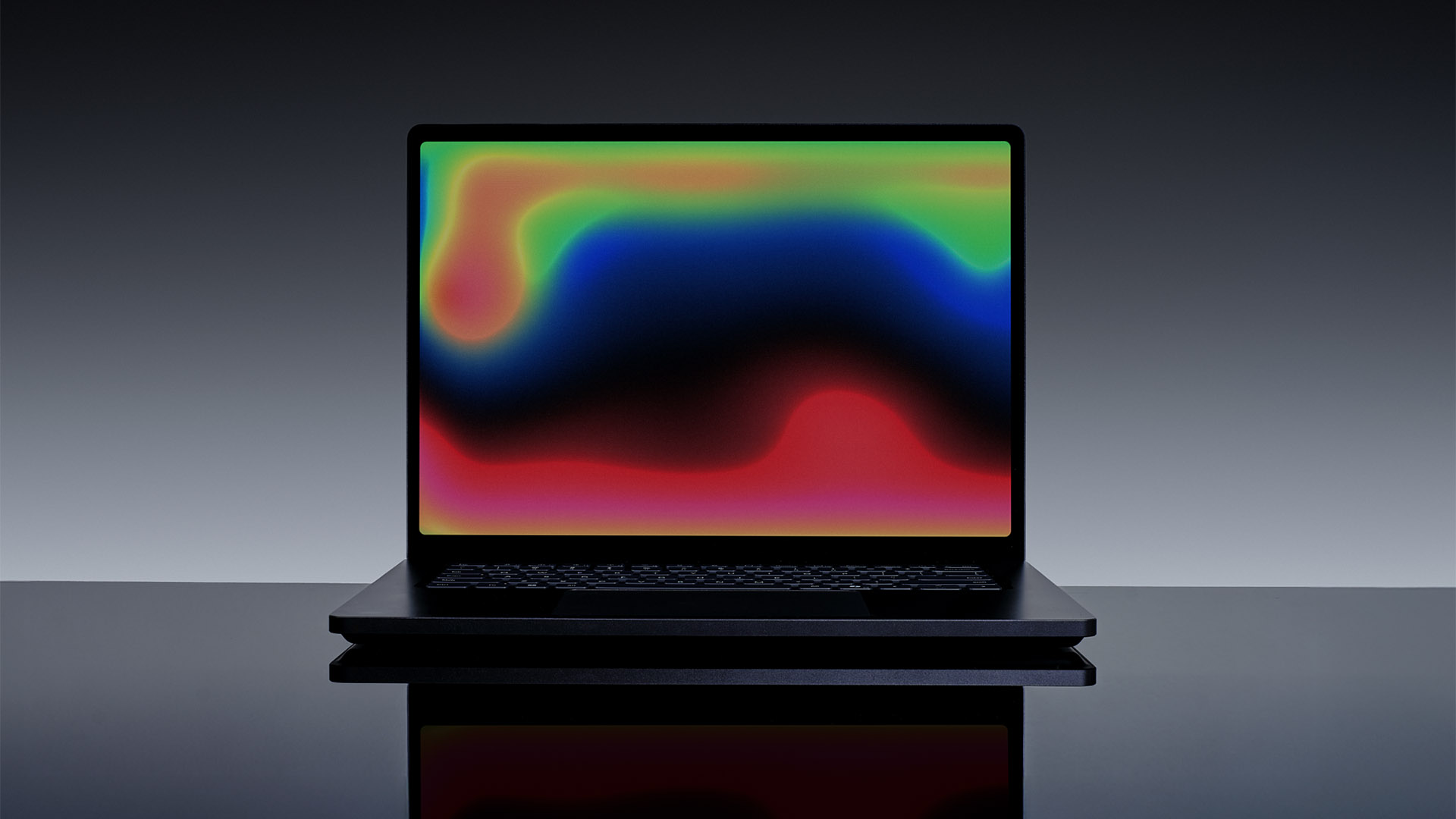
Microsoft Surface Laptop Ultra Could Launch Soon With NVIDIA RTX Spark and a Premium Price Tag
Microsoft may be preparing to introduce a new high-end Surface device very soon, and the spotlight is on the rumored Surface Laptop Ultra. If the latest reports are accurate, this could be Microsoft’s first premium notebook powered by NVIDIA’s RTX Spark platform, a chip designed to push local AI workloads further than typical laptop hardware.
The biggest appeal of RTX Spark is its unified memory design, which may help reduce some of the VRAM limitations that usually hold back portable machines when running larger AI models. That could make the Surface Laptop Ultra an attractive option for developers, researchers, creators, and AI enthusiasts who want serious machine-learning performance in a portable Windows 11 laptop.
However, that power may come at a steep cost. The rumored starting price for the Surface Laptop Ultra is around $2,000, and that appears to be for the entry-level version.
A previous Windows 11 driver leak suggested that NVIDIA RTX Spark may arrive in two configurations: one with an 18-core GPU and another with a 20-core GPU. Based on the rumored specifications, the base Surface Laptop Ultra could feature an 18-core CPU, 5,120 CUDA cores, and 24GB of LPDDR5X unified memory.
The more powerful version is expected to offer a 20-core CPU and 6,144 CUDA cores, though pricing for that higher-end configuration has not yet been revealed.
At $2,000, the base model should still be capable of running certain local AI workloads, including a 4-bit quantized version of Qwen3.8-27B. That said, users hoping to run larger or denser AI models may quickly run into memory limits with the 24GB unified RAM configuration.
To address that, Microsoft is reportedly preparing multiple memory options, including 32GB, 64GB, and even 128GB of unified RAM. Those upgrades could make a major difference for local AI performance, especially for users working with large language models, generative AI tools, and advanced creative applications.
The downside is obvious: the price could climb dramatically. If the base model starts at $2,000, a fully upgraded Surface Laptop Ultra with 128GB of unified memory could potentially reach the $7,000 to $8,000 range. That would place it firmly in workstation territory rather than the mainstream premium laptop market.
Microsoft has a long history of pricing its Surface devices at the premium end, and the Surface Laptop Ultra appears likely to continue that trend. But the company may be aiming to justify the cost with more than just raw specifications. Sustained performance could be one of the key selling points.
One earlier report claimed that the RTX Spark-powered Surface Laptop Ultra may target a 110W power limit. If true, that could allow the notebook to deliver strong performance while remaining more efficient than many bulky gaming laptops. This would make it especially interesting for professionals who need workstation-class AI and graphics capabilities without carrying around a massive machine.
One detail still missing from the latest rumors is storage. There has been no clear mention of how much SSD capacity the Surface Laptop Ultra will include in its base configuration or how far the storage options will scale. For a device aimed at AI workloads and professional users, fast and spacious storage will be an important factor.
Microsoft may not be the only company preparing laptops based on NVIDIA RTX Spark. ASUS is also expected to launch new ProArt P14 and ProArt P16 models featuring the same platform. Those creator-focused laptops are rumored to start with 24GB of unified memory as well, and they may include liquid metal cooling to improve heat transfer and maintain performance under heavy workloads.
If these reports prove accurate, the Surface Laptop Ultra could become one of the most ambitious Windows laptops Microsoft has ever released. With RTX Spark, high unified memory options, and a focus on local AI performance, it may target a growing market of users who want powerful AI computing without relying entirely on cloud services.
The real question is whether buyers will be willing to pay Surface-level pricing for that capability. For AI developers and professionals, the Surface Laptop Ultra could be a compelling portable workstation. For everyday users, the rumored price may make it difficult to justify unless they truly need the extra power.