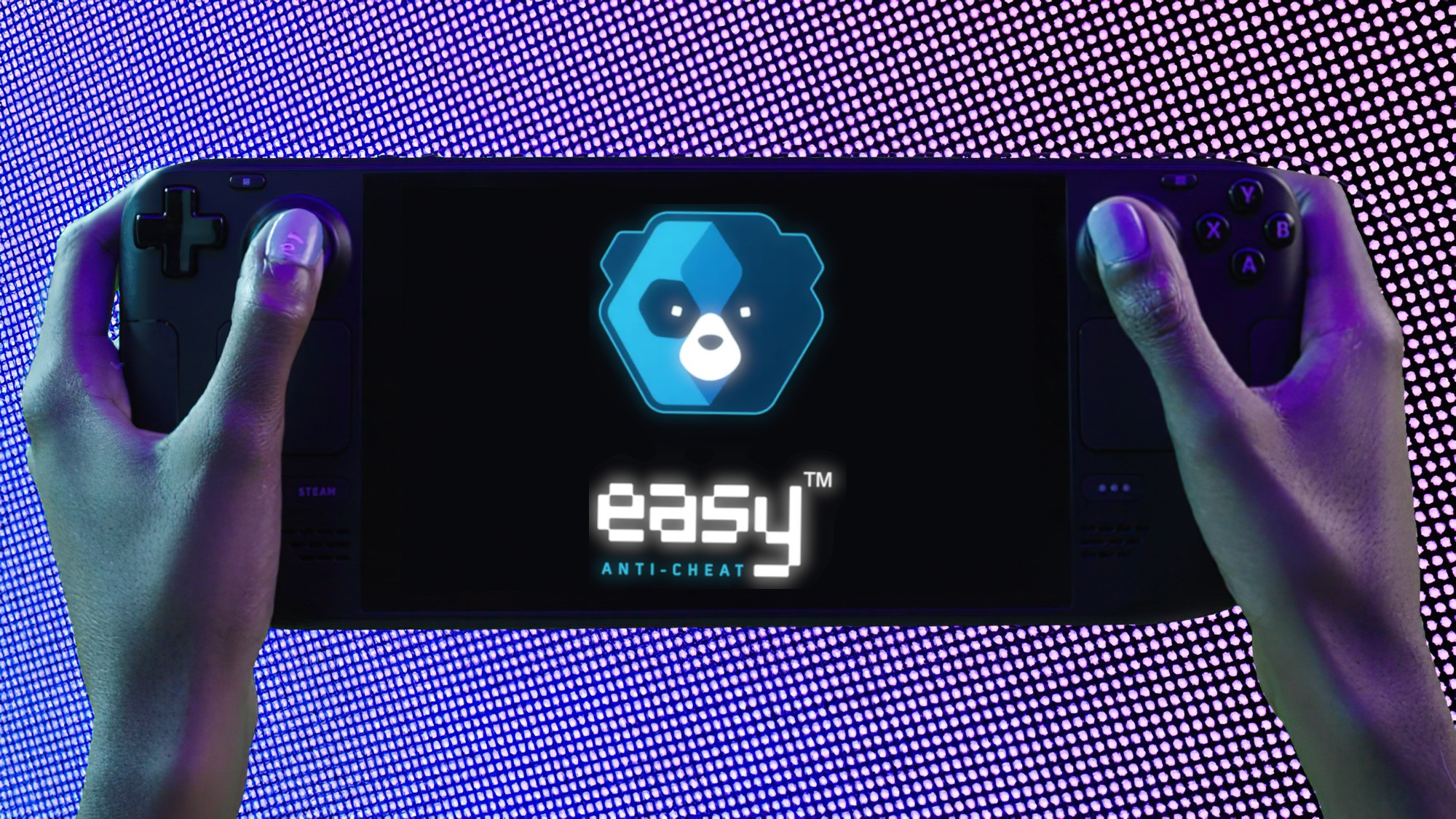
In a groundbreaking shift after the monumental Crowdstrike outage in July that disrupted global businesses and even grounded flights, Microsoft is taking a bold step to fortify its Windows kernel against future exploits. According to a recent blog post summarizing discussions at the Windows Endpoint Security Ecosystem Summit, the tech giant plans to relocate security functions out of the kernel. This initiative aims to enhance security capabilities for solution providers operating outside kernel mode.
Microsoft and its security partners debated various future security strategies, and this change could significantly impact the gaming ecosystem, particularly for those using Linux. By moving security features out of the kernel, anti-cheat mechanisms would operate on a less intrusive user-access level. This could simplify the process of running these systems via translation layers like WINE or Valve’s Proton, potentially making it easier for devices like the Steam Deck to play titles such as Paladins and Fortnite.
Currently, many popular games equipped with kernel-level anti-cheat technologies like Easy Anti-Cheat (EAC) struggle with Linux compatibility. Despite compatibility reportedly being just a toggle switch away, developers and publishers have been reluctant to enable it, leaving Linux gamers sidelined.
Interestingly, Microsoft’s blog post explicitly references the Crowdstrike vulnerability, suggesting that such incidents have partly influenced the company’s new security strategies. The proposed security platform focuses on resilience and tamper-proofing to meet the needs of both users and ecosystem partners. Key areas discussed include:
– Performance needs and challenges outside of kernel mode
– Anti-tampering protections for security solutions
– Security sensor requirements
– Development collaboration principles
– Secure-by-design objectives for future platforms
Despite this promising shift, the emphasis on “tamper-proofing” suggests that anti-cheat vendors might still find ways to exclude Linux gamers from their games if they choose to. The exact impact on Linux gaming is yet to be seen, and gamers are eagerly awaiting further developments.
For those eager to play Windows games on handheld devices, consider exploring options like the Asus ROG Ally X for a solid gaming experience.
Julian van der Merwe, a tech enthusiast with a long-standing passion for technology and innovation, dives deep into these trends, advocating for tech advancements that enhance user experiences across various fields.