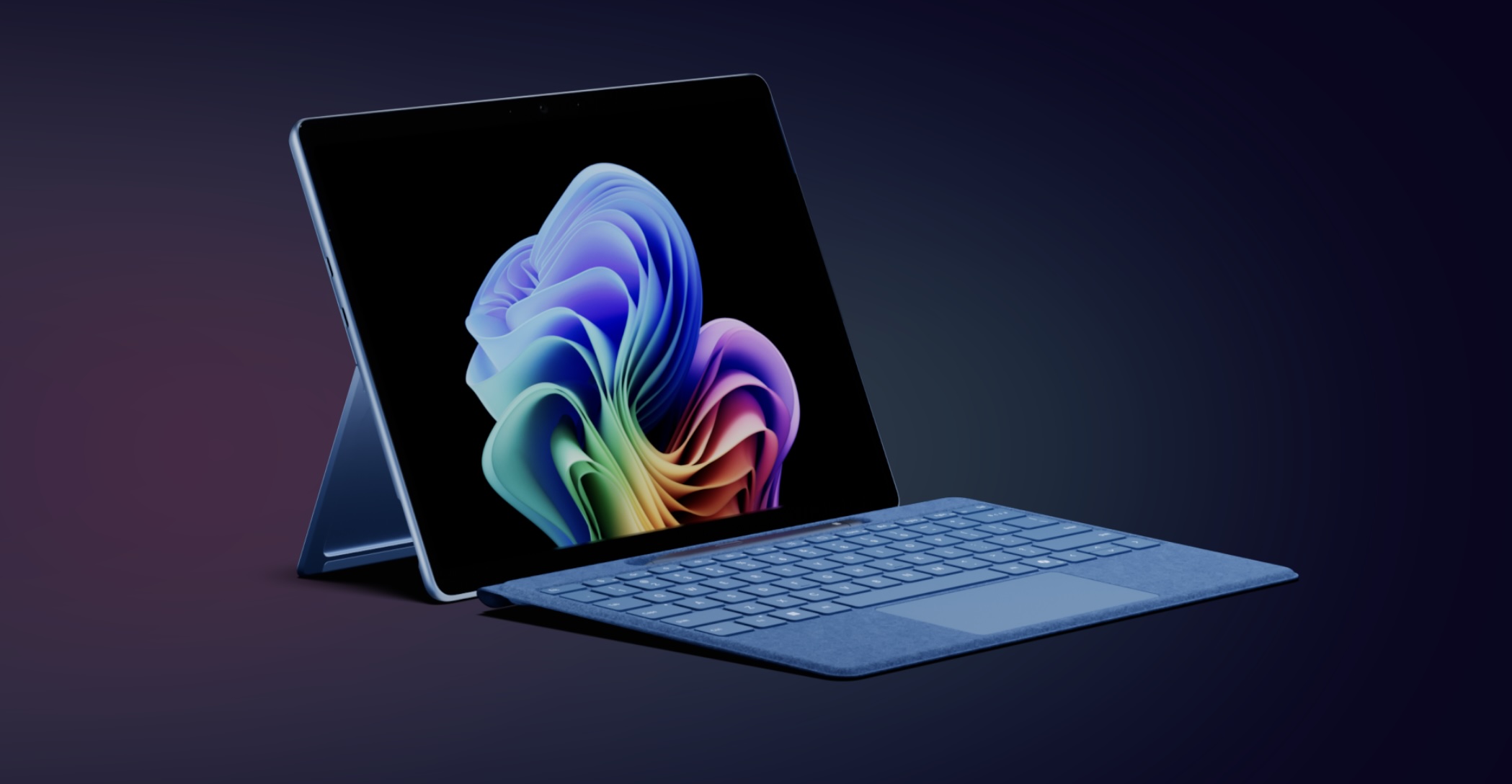
## Microsoft’s New Snapdragon X-Powered Surface Line Surpasses M3 MacBook Air in Performance
Microsoft is pushing the boundaries of innovation with its latest Surface lineup that boasts Snapdragon X-power. The tech giant claims these devices easily outpace the M3 MacBook Air, showcasing over 50% faster performance. This news comes at a time when speed and efficiency are highly prized among tech enthusiasts.
### Rising to ARM-based Challenges
Transitioning to ARM-based laptops has not been without its hurdles, and compatibility stands as a major concern. Apple set the bar high with its seamless shift from x86 to ARM, thanks to its impressive Rosetta 2 translation layer. Microsoft is now following suit with its own emulator, named Prism, designed to tackle this ARM transition. Prism aspires to match the performance of Rosetta 2, contributing to a smooth experience for users. This is a critical development, as a reliable emulator can ensure continuity until a more robust library of native apps becomes available for Windows on ARM platforms.
### A Leap in Battery Life
When it comes to battery performance, Microsoft’s ARM-based Surface devices have shown remarkable results. The company presents compelling data from tests that involved web browsing and video playback. These tests depict the ARM-based Surface not only overcoming the M3 MacBook Air but also leaving its Intel-based Surface Laptop 5 counterpart behind. The Surface CoPilot PC boasted 16 hours and 56 minutes of battery life during web browsing, and more than 20 hours during video playback. To put this in perspective, the results for the Intel-based Surface Laptop 5 were 8 hours and 38 minutes for web browsing, and 12 hours and 30 minutes for video playback. Meanwhile, the M3 MacBook Air reached 15 hours and 25 minutes for web browsing, and 17 hours and 45 minutes for video playback.
### Reflecting on Controlled Tests
While the results shared by Microsoft are commendable, it’s important to note these tests were controlled and the figures may vary in real-world scenarios. Yet, the performance and efficiency demonstrated by Microsoft’s ARM-based Surface lineup are indicators of significant advancement in Windows laptops. This progress bodes well for PC enthusiasts who might soon experience the same level of performance and efficiency that has been available to MacBook users in recent years.
As developments continue, the new Surface lineup is a testament to the constant evolution of personal computing. With advancements in emulation for compatibility and breakthroughs in battery life, ARM-based Windows laptops are rapidly maturing, presenting an increasingly viable option for users seeking a blend of performance and endurance.