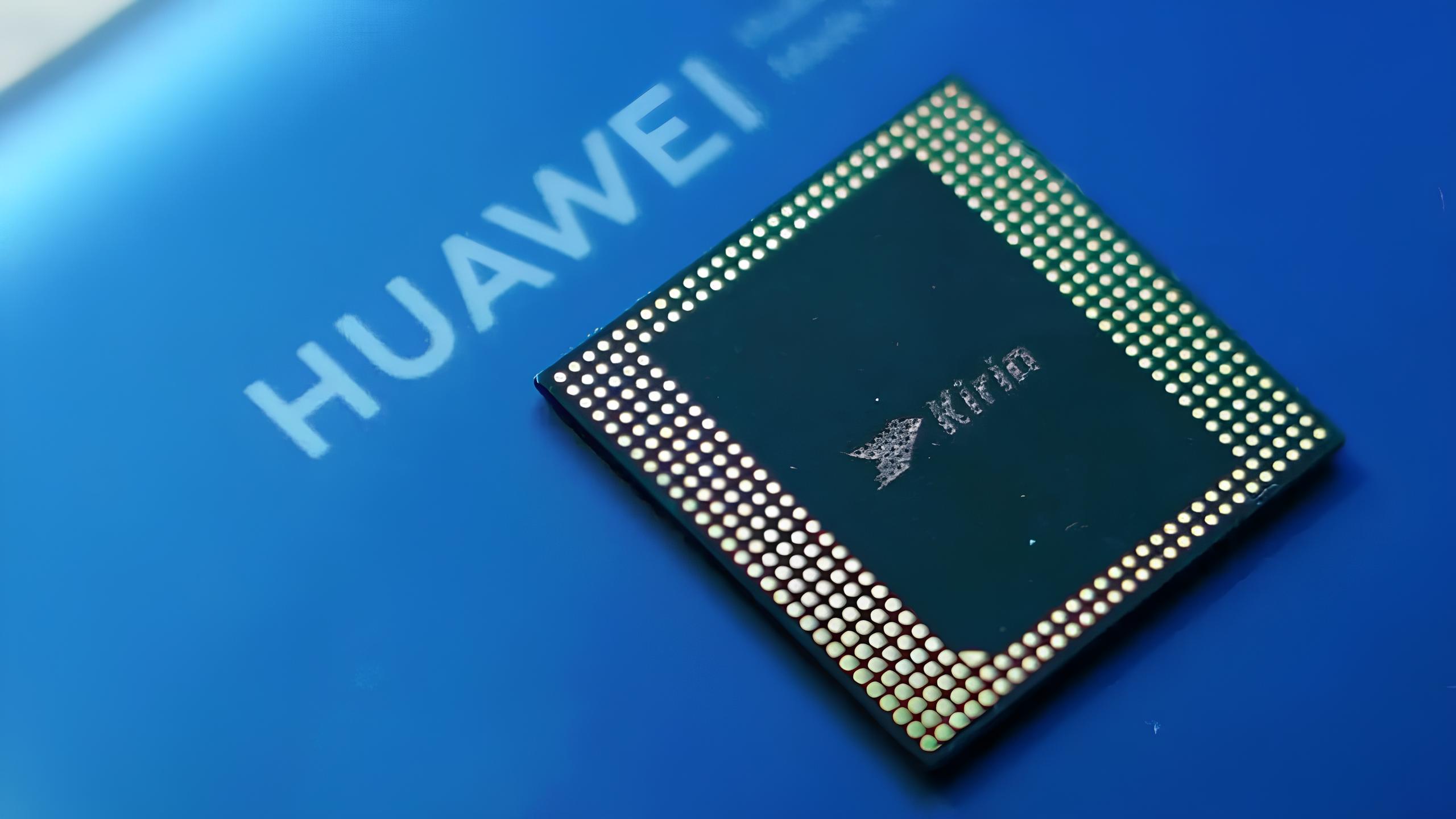
Huawei’s HiSilicon Division Experiences Surge in Smartphone Chipset Shipments
In a significant development within the smartphone chipset industry, Huawei’s HiSilicon division has reached a new peak in chipset shipments and revenue during the first quarter of 2024. The launch of their Kirin 9000S last year and the more recent Kirin 9010, which powers the latest Pura 70 series, has placed Huawei back in the spotlight. According to recent data, HiSilicon shipped 8 million units and generated an impressive $6 billion in revenue within this period.
This growth puts Huawei on the path to reclaiming market share, despite facing stiff competition from industry leaders. MediaTek currently stands as the top shipper of smartphone chipsets, while Apple leads in revenue generation. However, with $6 billion in revenue for Q1 2024, Huawei has managed to surpass Google’s chipset revenue, which saw 2 million shipments, resulting in $2 billion.
Chasing Industry Giants
The race in the chipset market remains tight, with Samsung and Apple experiencing shifts in their standings. Samsung, although it shipped 18 million chipsets and earned $9 billion in revenue, observed an 18 percent dip in overall shipments compared to the first quarter of the previous year. Apple also saw a downturn with a 16 percent decline in its A-series chipset shipments, totaling 49 million units. Nevertheless, Apple’s massive $56 billion in revenue from these sales overshadows its competitors.
MediaTek has emerged as the leader in terms of volume, with 114 million smartphone chipsets shipped, but this only translated to $23 billion in revenue. On the other side, Qualcomm, despite selling fewer units at 75 million chipsets, achieved a higher revenue figure of $37 billion for the quarter.
Huawei’s Market Impact
Despite accounting for a modest 2.7 percent of the total 292.1 million smartphone chipset shipments globally, Huawei’s progress indicates it is becoming a challenge to industry behemoths like Apple, which has felt the impact of Huawei’s growth in both its revenue and shipment numbers. The future holds further potential disruptions, with Huawei planning to launch the Mate 70 family in October and HarmonyOS Next, their proprietary operating system, in September. These moves could possibly allow Huawei to become less reliant on Google’s Android platform.
The recovery and ongoing ambition displayed by Huawei’s HiSilicon division reflect a determined effort to rebuild its presence in the smartphone chipset market. The dynamics in the industry suggest an intriguing competitive landscape ahead, with Huawei aiming to establish a greater foothold alongside established names like Apple, MediaTek, Samsung, and Qualcomm. It’s a market where innovation, performance, and strategic releases will determine who leads the pack in the smartphone chipset industry.


