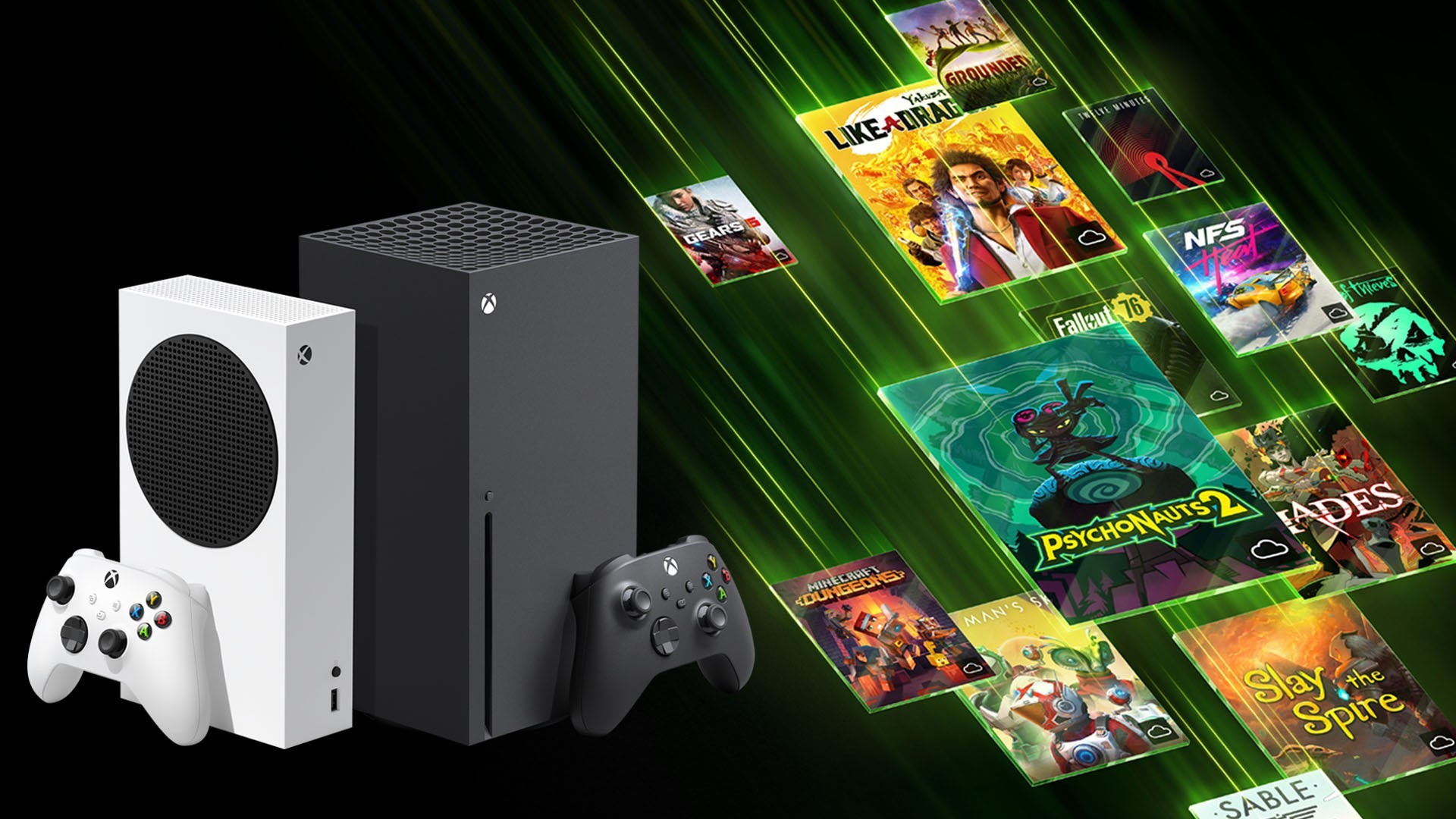
Microsoft CEO Satya Nadella says Xbox is entering a new phase, one focused less on heavy investment and more on building a financially sustainable gaming business.
Speaking on The New York Times’ Hard Fork podcast, Nadella reflected on Microsoft’s 25-year commitment to Xbox and made it clear that the company has poured enormous resources into gaming. However, he suggested that the next challenge is turning Xbox’s popularity and entertainment value into stronger revenue.
Nadella said Microsoft has consistently invested in Xbox for decades, but the company has not always captured the full financial upside of that investment. He noted that Xbox games generate huge interest across the internet, including through videos, streams, and fan-made content. In a lighthearted remark, he suggested that some creators making Xbox-related content on YouTube may be earning more from certain games than Microsoft itself.
“We’ve invested a lot. No one can accuse Microsoft of not having invested for the last 25 years,” Nadella said. He added that Xbox now needs to become “a sustainable business” while continuing to deliver one of the strongest forms of entertainment in the world.
His comments come at a time when the gaming industry is facing rising pressure from multiple directions. Game development costs are climbing, console hardware is becoming more expensive, and Microsoft is also spending heavily on cloud infrastructure and artificial intelligence. These shifts are forcing the company to think carefully about how Xbox fits into its broader business strategy.
Nadella also pointed to rising hardware prices as a major issue affecting Xbox and other consumer electronics. He explained that increased demand for cloud computing and AI has created pressure on semiconductor and memory supply, pushing up costs across the market.
According to Nadella, this trend is not limited to Xbox. PCs, smartphones, and other devices are also being affected by the same supply and pricing challenges. While he believes some of these pressures may ease over time, he said Microsoft still needs to answer a bigger long-term question: what should the Xbox business model look like in the future?
That question has become increasingly important as gaming habits continue to change. Consoles remain a key part of the industry, but players are also spending more time on PC and mobile devices. Microsoft has been working to connect these platforms through services, cloud gaming, and its growing library of major franchises.
Game Pass has been central to Microsoft’s gaming strategy in recent years, but subscription growth has not always matched the high expectations that surrounded the service earlier in its expansion. Nadella’s remarks suggest Microsoft may now be looking for a better balance between accessibility, growth, and profitability.
The leadership transition at Xbox also marks a major turning point. Following Phil Spencer’s retirement, Asha Sharma has taken over leadership of the Xbox division. Earlier this year, Sharma outlined plans to review Xbox operations, improve efficiency, and strengthen Microsoft’s most important gaming franchises.
Those franchises include major names such as Halo, Fallout, and The Elder Scrolls. Microsoft is expected to focus on making these series more productive, more profitable, and more widely available across platforms as part of its next gaming chapter.
Nadella’s message was clear: Xbox is not going away, but the way Microsoft runs its gaming business is evolving. After decades of investment, the company wants Xbox to deliver stronger financial results while still serving players across console, PC, mobile, and cloud.
For Xbox fans, this could mean a future shaped by broader access, tighter business discipline, and renewed attention on blockbuster franchises. For Microsoft, it means turning one of the world’s most recognizable gaming brands into a more sustainable pillar of its entertainment strategy.


