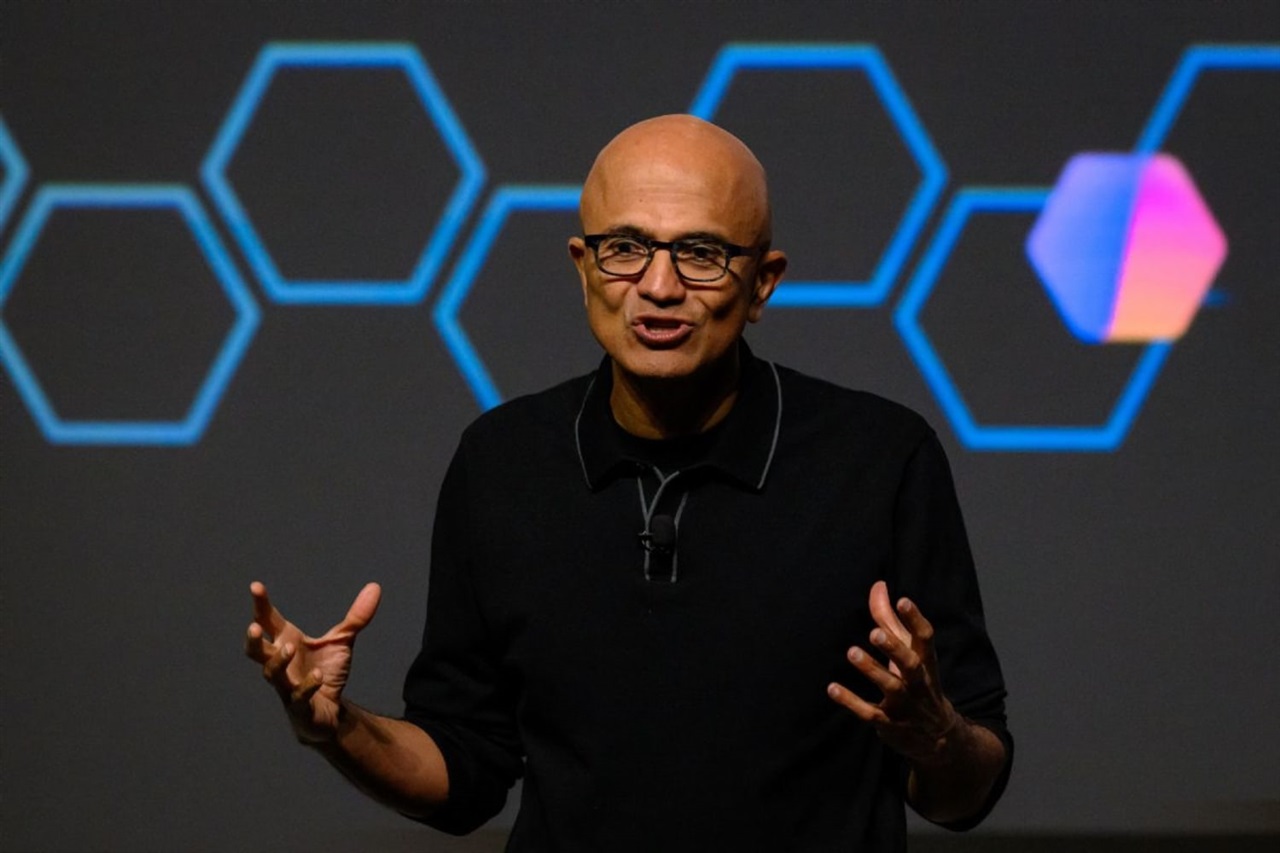
Microsoft CEO Satya Nadella expected at White House dinner for Xi Jinping as AI and tech policy take center stage
Microsoft CEO Satya Nadella was expected to attend this week’s White House state dinner for Chinese President Xi Jinping, joining a high-profile group of technology leaders as U.S.-China relations face renewed attention.
The guest list was said to include senior executives from major technology companies, including Apple, OpenAI, Nvidia and Qualcomm, according to people familiar with the matter. Their presence highlights how deeply technology, artificial intelligence, chips and global trade are now tied to diplomacy between Washington and Beijing.
The dinner comes during the Trump-Xi summit, where discussions around artificial intelligence policy, advanced semiconductors, supply chains and trade restrictions are expected to draw significant interest. With AI rapidly reshaping the global economy, both the United States and China are under pressure to define rules around innovation, security and competition.
Nadella’s expected attendance is especially notable because Microsoft has become one of the most influential companies in the artificial intelligence race. The company has invested heavily in AI services, cloud infrastructure and productivity tools powered by advanced machine learning. As governments debate how to regulate AI while maintaining technological leadership, Microsoft remains a key player in the conversation.
The attendance of leaders from Nvidia and Qualcomm also reflects the importance of semiconductor technology in U.S.-China relations. Advanced chips are essential for AI development, data centers, smartphones, defense systems and next-generation computing. Restrictions on chip exports and concerns over supply chain security have made the semiconductor industry one of the most sensitive areas in global trade.
Apple’s presence adds another layer to the event, as the company has long maintained major manufacturing and consumer market ties with China. Any shift in trade policy, tariffs or diplomatic relations could have broad consequences for global technology companies that rely on international supply chains.
The White House dinner is more than a ceremonial event. It signals how technology executives are increasingly involved in discussions that shape economic policy, national security and international relations. As the U.S. and China compete for leadership in artificial intelligence and advanced computing, the role of major tech companies continues to grow.
With AI regulation, chip access and trade tensions all in focus, the Trump-Xi meeting could have lasting implications for the technology industry. The presence of Nadella and other top executives shows that the future of global tech competition is now a central issue in U.S.-China diplomacy.