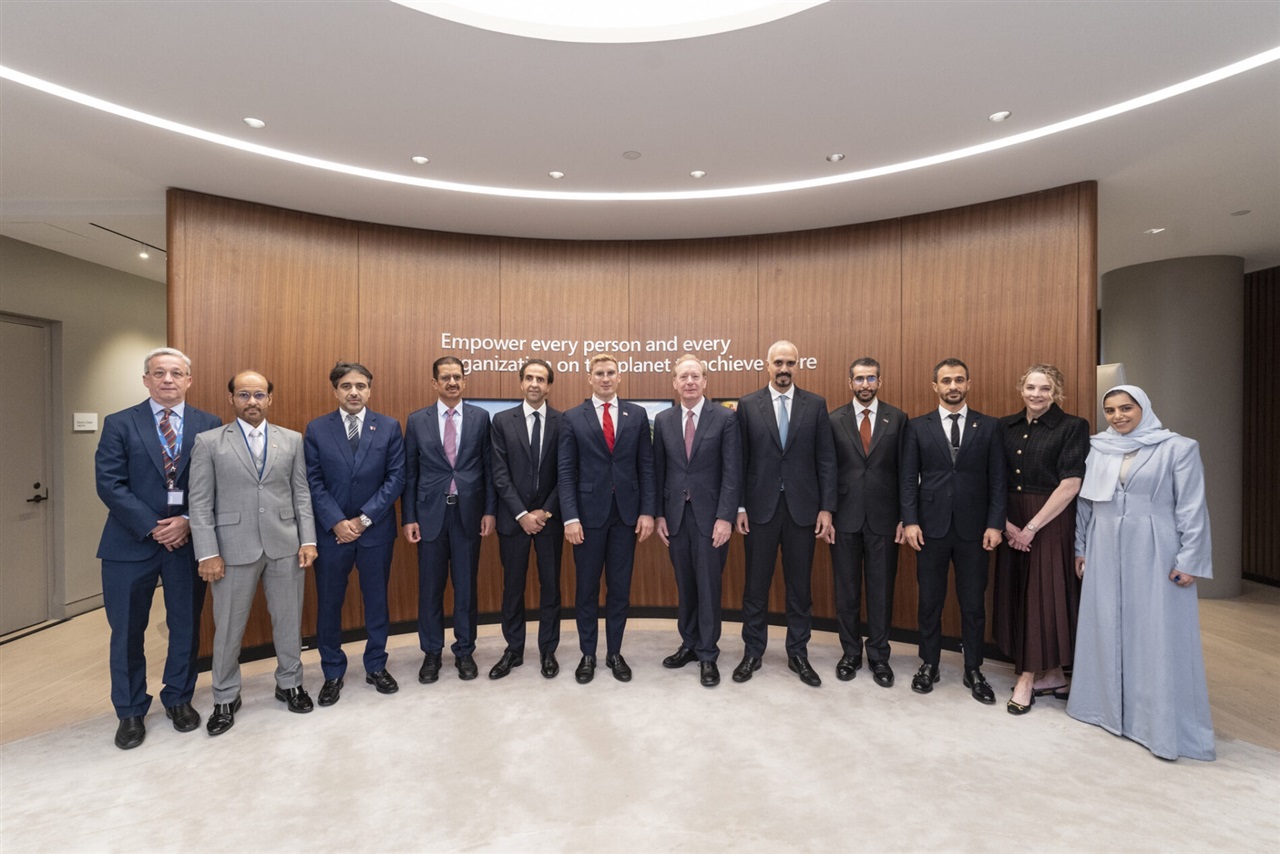
Microsoft Plans $10 Billion AI Infrastructure Expansion in the Middle East by 2030
Microsoft is making a major push into artificial intelligence infrastructure in the Middle East, announcing plans to invest $10 billion in the region by 2030. The move highlights the company’s long-term confidence in the area’s growing role as a global technology hub, even as regional instability continues to create uncertainty for businesses and investors.
The investment is expected to support the expansion of AI-focused data centers, cloud computing capacity, and digital infrastructure across key Middle Eastern markets. As demand for artificial intelligence tools, enterprise cloud services, and advanced computing power continues to rise, Microsoft is positioning itself to serve governments, businesses, and developers looking to accelerate digital transformation.
The Middle East has become an increasingly important market for artificial intelligence development. Countries across the region are investing heavily in smart cities, digital government services, automation, cybersecurity, and AI-powered business solutions. Microsoft’s multibillion-dollar commitment could help strengthen that momentum by providing the computing backbone needed for large-scale AI deployment.
The announcement also comes at a sensitive time. The region continues to face security challenges linked to the conflict involving Iran, raising concerns about infrastructure stability, supply chains, and long-term investment risk. Despite these pressures, construction and development of data center facilities have continued, signaling strong demand and sustained confidence in the future of the region’s digital economy.
For Microsoft, the investment is part of a broader strategy to expand global AI infrastructure as competition intensifies in cloud computing and artificial intelligence services. AI systems require massive amounts of computing power, reliable energy access, and secure data storage facilities. By building out more infrastructure in the Middle East, Microsoft can reduce latency, improve service availability, and support local data residency requirements.
The $10 billion investment could also have a wider economic impact. Large-scale data center projects often create jobs, attract technology partners, and encourage local innovation ecosystems. Businesses in sectors such as finance, healthcare, energy, logistics, education, and public services may benefit from improved access to advanced cloud and AI tools.
As artificial intelligence becomes a central part of the global economy, regions with strong digital infrastructure are likely to gain a competitive advantage. Microsoft’s commitment shows that the Middle East is no longer viewed only as an energy market, but also as a rising center for cloud technology, AI development, and next-generation digital services.
By 2030, Microsoft’s investment could significantly reshape the region’s technology landscape, giving organizations greater access to high-performance AI infrastructure while supporting the Middle East’s ambitions to become a leading force in the global digital economy.