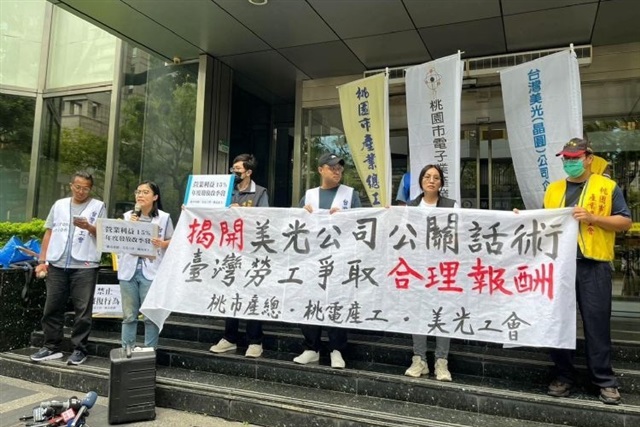
Micron Taiwan Union Pushes for Permanent Profit-Sharing Despite Record Employee Rewards Package
Micron Technology is facing continued pressure from its Taiwan union after announcing what it says is the largest employee rewards package in the company’s history. While the move signals an effort by the US-based memory chipmaker to recognize workers during a strong period for the semiconductor industry, it has not ended the ongoing labor dispute.
At the center of the disagreement is the union’s demand for a permanent profit-sharing formula. Workers want a clearer and more reliable system that ties employee rewards to the company’s financial performance, rather than relying on one-time bonuses or special packages decided by management.
The union argues that employees in Taiwan play a key role in Micron’s global operations and should have a predictable share in the company’s success. As demand for memory chips continues to fluctuate with cycles in artificial intelligence, data centers, smartphones, and consumer electronics, workers are seeking stronger long-term protections and more transparent compensation policies.
Micron’s latest rewards package may be its most generous so far, but the union appears focused on structural change rather than temporary payments. For employees, the issue is not only the size of the current payout, but whether future gains will be distributed through a fair and consistent framework.
The dispute highlights growing tensions across the global semiconductor supply chain, where highly skilled workers are increasingly pushing for better pay, improved benefits, and a stronger voice in corporate decision-making. Taiwan remains one of the most important hubs for chip production, making labor relations in the region especially significant for major technology companies.
Further negotiations are expected as both sides look for a path forward. Micron will likely aim to balance employee expectations with business flexibility, while the union is expected to continue pressing for a formal profit-sharing agreement that provides lasting benefits.
For now, Micron’s record employee rewards package has not been enough to settle the dispute. The outcome of the next round of talks could shape not only worker relations in Taiwan, but also broader discussions about compensation and fairness in the fast-moving memory chip industry.