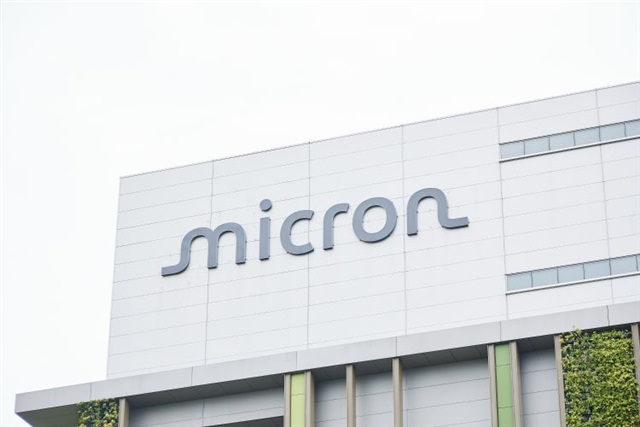
Micron Taiwan Labor Dispute Intensifies as Union Moves Toward Strike Vote
The labor dispute at Micron’s Taiwan operations is heating up after the company and the Taiwan Taoyuan Union failed to reach an agreement during a second mediation session on September 21, 2026.
According to the union, talks broke down because Micron has yet to provide a clear and concrete profit-sharing proposal. With no resolution in sight, the union said it will begin the process of holding a strike vote under Taiwan’s Act for Settlement of Labor-Management Disputes.
The dispute has drawn attention because Micron is a major player in the global memory chip industry, and Taiwan remains one of the world’s most important semiconductor manufacturing hubs. Any prolonged labor action could raise concerns about operations, workforce stability, and broader supply chain confidence.
The Taiwan Taoyuan Union has been pressing for better profit-sharing arrangements, arguing that employees should receive a more defined share of the company’s financial success. Union representatives said workers need a firm proposal rather than general promises or delayed discussions.
Micron, for its part, said it remains willing to continue communication and coordination with the union. However, the company noted that any formal plan must still go through internal board procedures before it can be finalized.
The move toward a strike vote does not mean a strike will immediately happen. It does, however, mark a significant escalation in the ongoing labor-management dispute. Under Taiwan’s legal framework, unions must follow specific procedures before launching industrial action, including obtaining approval from members through a formal vote.
The situation now places additional pressure on both sides to find common ground. For the union, the strike vote is a way to show worker unity and push management toward a more specific offer. For Micron, resolving the dispute quickly could help prevent disruption and reassure employees, customers, and industry partners.
As the semiconductor sector continues to face global competition and shifting demand, labor relations are becoming an increasingly important issue for major chipmakers. The outcome of the Micron Taiwan dispute could influence how similar negotiations are handled across the technology manufacturing industry.
For now, both sides appear to be standing firm. The union wants a detailed profit-sharing commitment, while Micron says it must follow corporate approval processes before making any final decision. The next steps will depend on whether negotiations resume with meaningful progress or whether the strike vote pushes the dispute into a more serious phase.