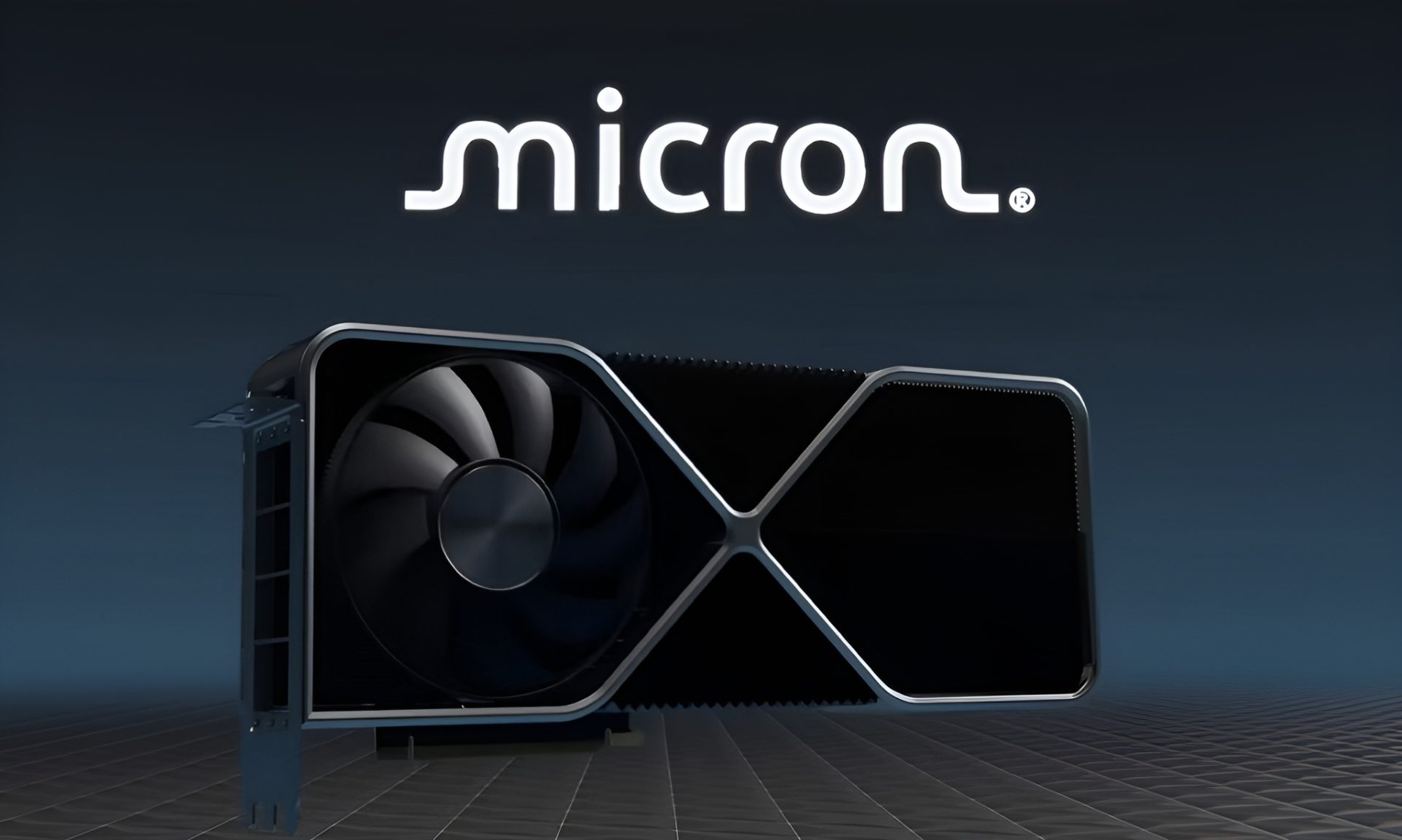
Micron is exploring a new way to feed the exploding memory demands of AI, and it could have an unexpected side effect for PC gamers. According to a report from ETNews, the company is looking at turning general-purpose GDDR memory chips—the kind commonly used on gaming graphics cards—into an HBM-like solution by stacking multiple GDDR layers together.
The idea is straightforward in concept: stack several GDDR dies vertically to create a higher-capacity memory package that better matches what today’s AI systems need, especially for inference. Early plans reportedly point to an initial stack of about four layers, with prototype samples potentially arriving as soon as next year.
Why does this matter? Because GDDR hasn’t been pulled into the AI rush as aggressively as other memory types like DDR and LPDDR. Historically, GDDR demand was closely tied to gaming GPUs. If Micron successfully repurposes GDDR for AI accelerators by stacking it into higher-capacity packages, it could shift more of the available supply toward enterprise customers. That creates a real possibility of tighter availability for graphics cards and upgrades, and potentially higher prices if the market gets squeezed.
Performance-wise, this stacked GDDR approach isn’t expected to beat high-end HBM in raw bandwidth or efficiency. However, the big selling point could be capacity. Modern inference workloads often need large memory pools to keep models and data close to the compute hardware. If a stacked GDDR design can deliver meaningfully higher capacity at a lower cost than HBM, it could become an appealing middle-ground option for AI hardware makers.
Still, stacking GDDR is not as simple as stacking lower-power memory. Micron has already experimented with stacked general-purpose DRAM through work tied to SOCAMM2, showing that high-density stacks can be done—reportedly reaching up to 16-high configurations and up to 256 GB per module with LPDDR5X-class memory. But GDDR typically runs hotter and faster, which makes thermal management and signal integrity far tougher. If Micron relies on traditional wire bonding methods, keeping temperatures under control and maintaining clean signaling at high frequencies could become major hurdles.
To make stacked GDDR viable, Micron may need to accept trade-offs such as dialing back clock speeds, or introducing new packaging approaches that better handle heat and connectivity. Even with compromises, a cost-effective, high-capacity memory alternative could stand out as AI companies search for ways to scale without relying solely on premium HBM supply.
This also comes at a time when Micron is pushing hard to stay competitive in the high-bandwidth memory race, where certification timing and supply allocation can quickly shift momentum. A successful GDDR stacking strategy would give Micron another path to serve AI demand—and potentially reshape how memory supply is divided between data centers and gaming PCs over the next few years.