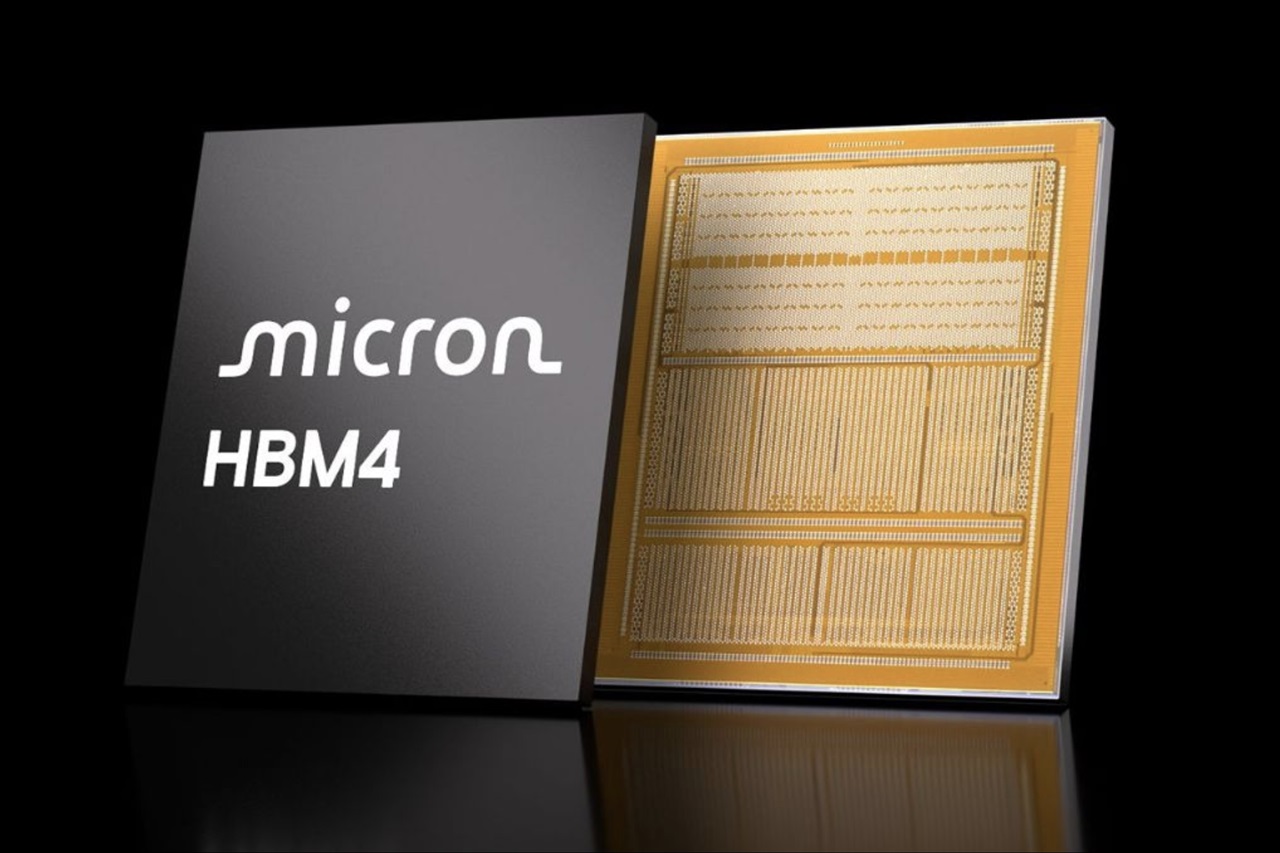
Micron Reportedly Aims to Double HBM Capacity by the End of 2026 as AI Memory Demand Surges
Micron is reportedly preparing for a major expansion in high-bandwidth memory production, with plans to double its HBM capacity by the end of 2026. The move comes as demand for advanced memory continues to rise sharply, driven by artificial intelligence, data centers, high-performance computing, and next-generation graphics processors.
High-bandwidth memory, commonly known as HBM, has become one of the most important components in the AI hardware market. Unlike traditional memory, HBM is designed to deliver extremely fast data transfer speeds while using less space and improving power efficiency. These advantages make it essential for AI accelerators, advanced GPUs, and large-scale computing systems that process massive workloads.
Micron’s reported capacity push suggests the company wants to strengthen its position in a market currently shaped by intense competition. Samsung and SK hynix remain major players in the HBM segment, and the race to secure supply agreements with leading AI chipmakers is becoming increasingly important. As AI infrastructure expands worldwide, memory suppliers are under pressure to scale production quickly while maintaining performance, reliability, and energy efficiency.
The timing of Micron’s reported expansion is significant. AI servers require far more memory bandwidth than conventional systems, and the demand for HBM is expected to keep growing through 2026 and beyond. Companies building AI platforms need stable access to advanced memory, and any supplier capable of increasing output could gain a stronger foothold in this rapidly growing market.
For Micron, doubling HBM capacity could help improve its competitiveness and allow it to serve more customers across the AI and data center sectors. It may also support the company’s broader strategy of moving deeper into premium memory products, where demand is strong and margins can be more attractive than in traditional DRAM markets.
However, expanding HBM production is not a simple process. HBM manufacturing requires advanced packaging, precise stacking technology, and tight integration with high-performance processors. Scaling capacity while meeting strict quality requirements will be a key challenge for any company trying to capture more market share.
If Micron succeeds in reaching its reported 2026 target, it could become an even more important supplier in the global AI hardware supply chain. With artificial intelligence continuing to reshape the technology industry, HBM is no longer just a specialized memory product. It is now a critical building block for the future of computing.
As competition intensifies between Micron, Samsung, and SK hynix, the HBM market is likely to remain one of the most closely watched areas in the semiconductor industry. The companies that can deliver higher capacity, faster performance, and dependable supply will be best positioned to benefit from the ongoing AI boom.