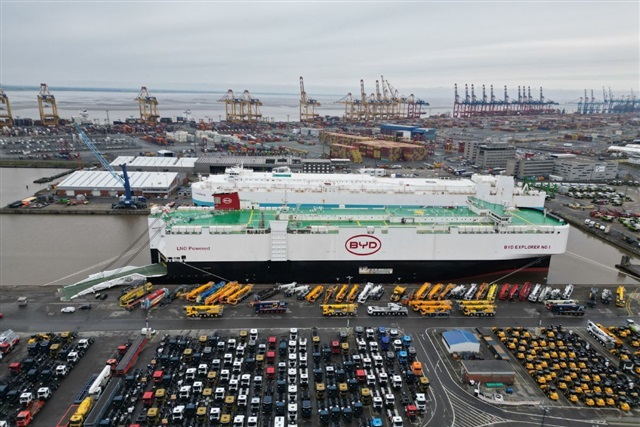
Chinese automakers have been on a global sprint, rapidly expanding into overseas markets with a simple formula that’s proven hard for competitors to ignore: sharp pricing, feature-packed models, and modern tech that feels more “premium” than the sticker suggests. In that push, Mexico has quickly become one of the most important entry points, a market where new brands can scale fast, build dealer networks, and tap into strong demand for value-driven vehicles.
Now, Mexico is taking a closer look at what that growing presence means for its auto market and broader economy. As Chinese car brands gain visibility on Mexican roads and in showrooms, the country is reassessing how deeply it wants to lean into this wave of imports and investment. The shift isn’t necessarily about shutting the door, but about stepping back and evaluating the long-term impact—on local manufacturing, competition, jobs, and the balance of trade.
One major reason Chinese automakers have gained traction in Mexico is that they offer buyers a lot for the money. Many models come loaded with large infotainment screens, advanced driver-assistance features, upscale-looking interiors, and sleek styling—often at price points that undercut established rivals. For dealerships and retailers, those vehicles can be easier to sell in a market where affordability matters and consumers want modern features without climbing into luxury pricing.
But rapid growth can also bring new questions. When imports rise quickly, policymakers and industry stakeholders tend to scrutinize how it affects domestic production and supply chains. Mexico has long held a strategic role in North American automotive manufacturing, and any major shift in vehicle sourcing can ripple through factories, parts suppliers, and employment. At the same time, consumers benefit from increased competition, more choices, and better equipment levels at lower prices.
Mexico’s reassessment highlights a broader reality playing out across many countries: Chinese automakers are no longer niche players outside their home market. They are becoming mainstream contenders, and their expansion is forcing governments, industry groups, and competitors to think differently about pricing, technology, and market access.
For Mexican car shoppers, the immediate takeaway is clear: more options, more features, and more aggressive pricing in dealerships. For the industry, the bigger story is how Mexico chooses to manage this momentum—balancing consumer demand and competitive markets with long-term goals for local manufacturing strength and economic stability.
If you share the full original post text, I can rewrite the complete article with more specific details while keeping the same message and intent.