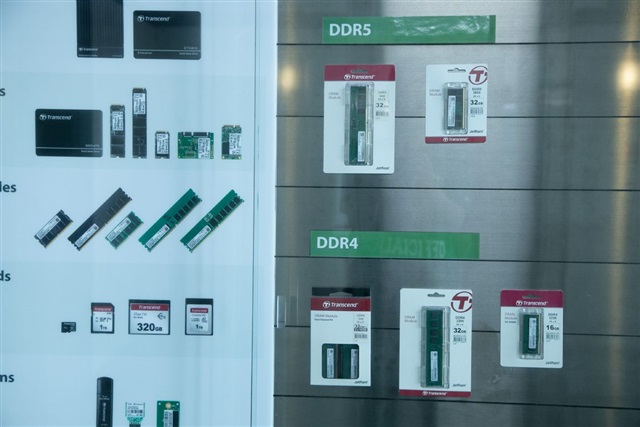
A global memory crunch is rippling through the tech industry, and it’s not just a data center problem. The surge in high-bandwidth memory demand from cloud-based AI workloads is soaking up manufacturing capacity, squeezing supply for nearly every other type of memory chip and putting upward pressure on prices across consumer electronics.
What’s driving the shortage
– High-bandwidth memory, or HBM, is essential for training and running large AI models. It delivers massive bandwidth by stacking DRAM dies with advanced techniques like through-silicon vias and complex packaging.
– That advanced packaging capacity is limited and difficult to scale quickly. As manufacturers prioritize HBM, it diverts resources—engineering time, equipment, and even wafer starts—away from other memory products.
– The result is a supply imbalance that extends beyond HBM into mainstream DRAM and even storage, tightening availability and lifting contract and spot prices.
How it affects everyday products
– PCs and laptops: DDR5 and LPDDR modules face longer lead times and fewer promotions. Entry-level systems may ship with lower default capacities to hit price points.
– Smartphones and tablets: LPDDR supply tightness can nudge flagship pricing higher or limit top-tier RAM configurations in certain regions.
– Gaming GPUs and consoles: GDDR and system memory availability can impact production schedules, with premium models seeing firmer pricing.
– SSDs and external storage: While NAND flash is a different technology, investment and packaging bottlenecks across the memory ecosystem can slow rollouts and reduce inventory flexibility, keeping SSD prices elevated.
– Smart home, wearables, and IoT: Smaller devices may experience modest cost increases or delayed launches due to component allocation shifts.
– Automotive and industrial: Infotainment and ADAS systems that rely on DRAM and flash may face constrained supply windows and tighter procurement strategies.
Short-term realities consumers may notice
– Fewer deep discounts on RAM and SSDs, especially for higher capacities or faster kits.
– More “good-enough” configurations in mainstream devices as manufacturers balance cost and availability.
– Potential delays on certain high-performance models that rely on larger memory footprints.
Why this isn’t a quick fix
– Scaling HBM involves new tools, cleanroom space, and specialized packaging lines, all of which take time to build and qualify.
– Memory makers are prioritizing AI-driven orders, given their higher value and long-term contracts, leaving less flexibility for consumer segments.
– Even as capacity expands, demand from AI infrastructure is also rising, keeping the market tight until new lines are fully online.
Buying tips to navigate the market
– For PC builders and upgraders: If you need memory or storage within the next few months, consider purchasing sooner rather than later. Choose reliable mid-speed DDR5 kits over ultra-high-speed options if pricing is steep. Watch bundle deals with CPUs or motherboards.
– For laptop and phone shoppers: Compare configurations carefully; sometimes a model with slightly less RAM but a stronger CPU/GPU offers better overall value. Prioritize devices with user-expandable storage where possible.
– For gamers: Track total platform cost. If GPU pricing is steady but memory and SSDs are rising, consider stepping down one tier on speed to keep your budget intact without sacrificing noticeable performance.
– For content creators: Invest in balanced configurations. A fast scratch SSD and sufficient DRAM often yield better productivity gains than chasing the highest memory frequency.
– For businesses: Lock in contracts early, qualify multiple suppliers, and design flexible BOMs that can accommodate alternative memory densities or speeds. Optimize software to reduce memory footprint where feasible.
What to expect next
– Continued tightness through periods of peak demand as data center AI orders remain strong.
– Gradual relief as new DRAM and advanced packaging capacity ramps, yet pricing could remain firmer than pre-AI cycles.
– Product line adjustments, with some manufacturers emphasizing efficiency, compression, and smarter memory management to deliver performance without ballooning capacities.
Key takeaways
– AI-driven HBM demand is crowding out production for other memory types.
– Expect firmer prices and occasional delays across PCs, phones, GPUs, consoles, and SSDs.
– Smart purchasing—prioritizing capacity over extreme speeds and watching bundle deals—can help stretch budgets.
– Market conditions should improve as capacity expands, but the era of ultra-cheap memory may be on pause while AI infrastructure continues to scale.