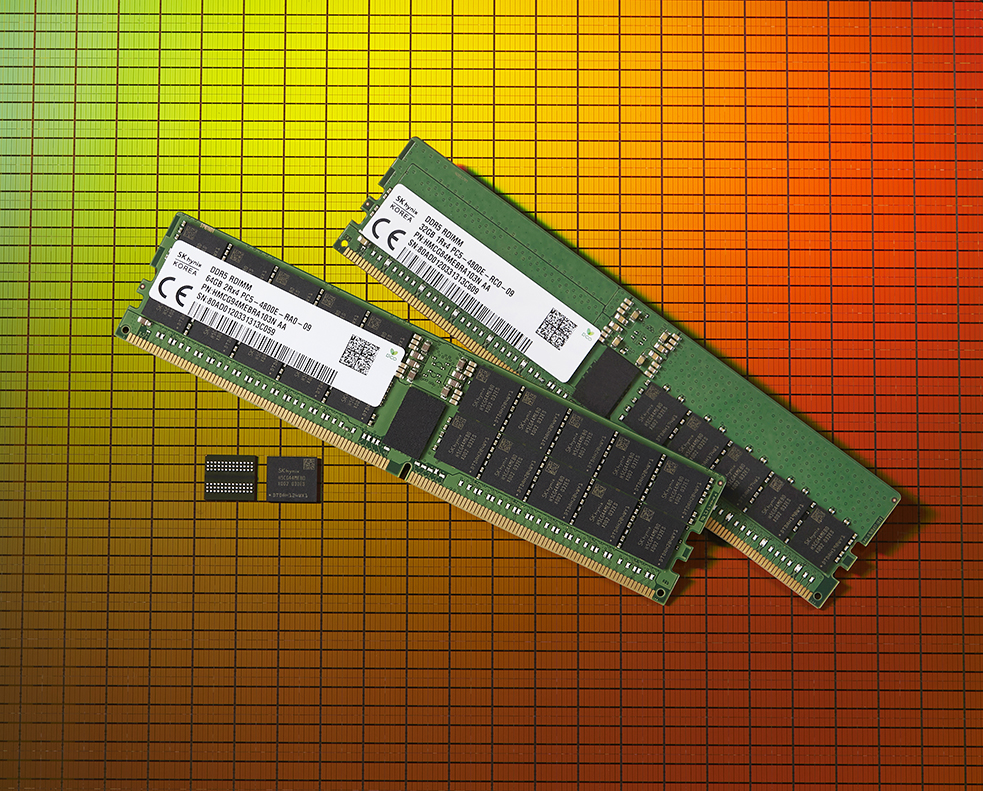
The memory chip industry is experiencing another dip in consumer demand as both DRAM and NAND contract prices have plummeted by nearly 20% in just a month. Manufacturers are struggling to sell DDR4 memory modules, which has led to increased inventory pressure and, consequently, a significant price drop.
In recent quarters, the DRAM market has been on a wild ride, largely influenced by the fluctuating trends following the COVID-19 pandemic. Consumer demand reached an unprecedented low as interest waned and market dynamics shifted. To address this, manufacturers attempted to correct inventory levels by offering discounts to clear out stock. Initially, this strategy seemed favorable, with price hikes instilling confidence in the market.
However, recent reports reveal a cooling off period with a stark decline in DRAM and NAND pricing. According to an analyst firm, the cost of DDR4 8Gb 1Gx8 modules has dropped by 17.07%, reaching $1.7 in September. This downward trend is attributed to the consumer PC market’s shift towards next-generation standards, which has slowed down sales temporarily.
A key factor driving these price changes is the ongoing inventory correction among memory manufacturers. The older DDR4 standard is not selling well, while the demand for DDR5 modules is on the rise. Although DDR5 is gaining traction, it hasn’t yet overtaken DDR4’s widespread use among consumers who seek budget-friendly computing performance.
Despite current challenges, the future of the memory market appears promising, with healthy quarter-over-quarter growth. The buzz around AI-driven PCs is expected to contribute to further advancements in the sector, especially as next-gen products become more widely adopted. As the transition continues, the memory industry is poised for a revival, driven by innovation and evolving consumer needs.