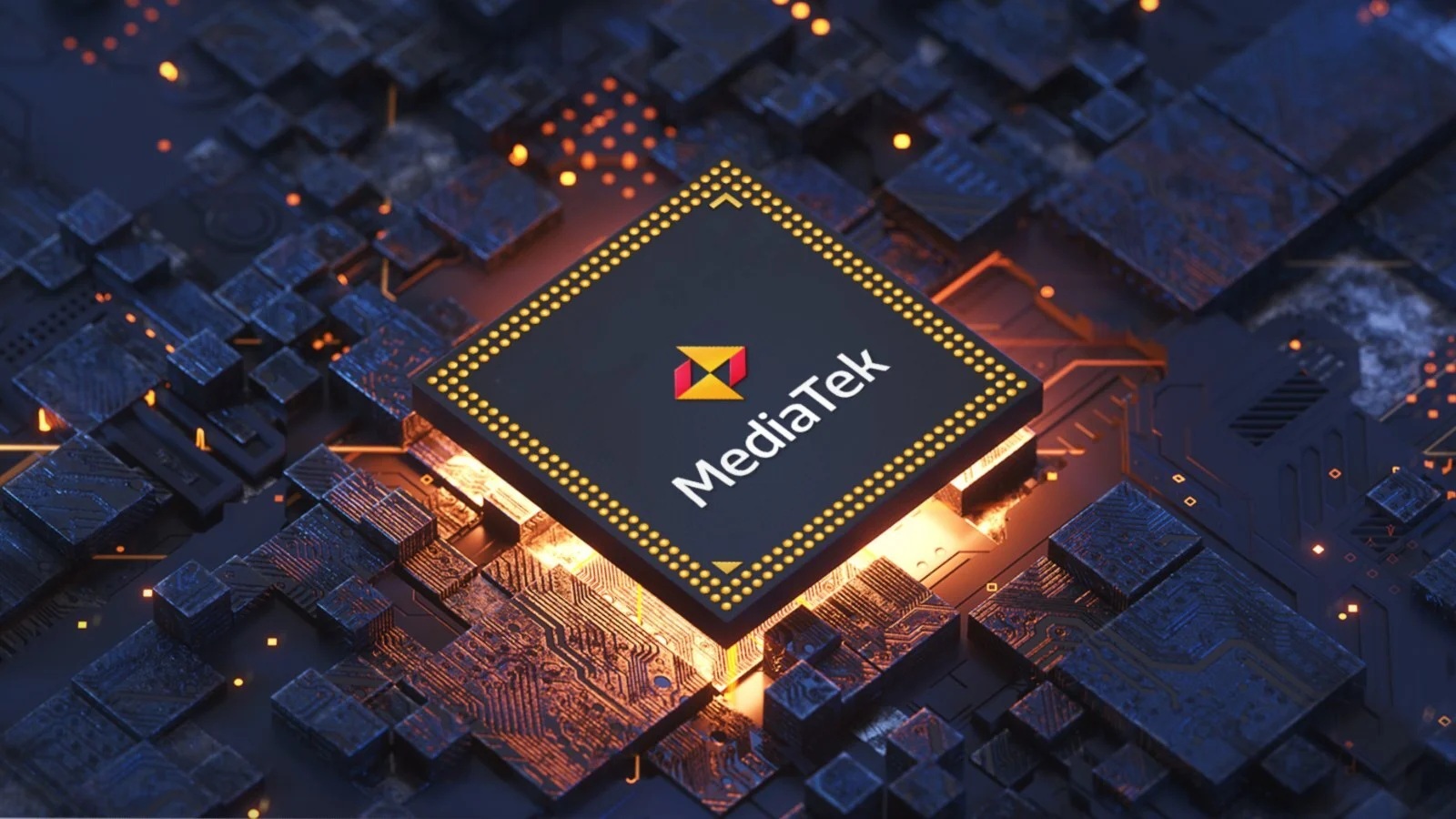
MediaTek just posted a major milestone in smartphone silicon, with its handset chipset revenue surpassing $10 billion in Q4 2025. Premium processors such as the Dimensity 9500 and Dimensity 8500 helped push those results, underscoring the company’s ongoing effort to expand adoption of its high-end Dimensity lineup across more devices.
That success also highlights a potential risk: smartphone chipsets represented about 59 percent of MediaTek’s total quarterly revenue. When one segment carries that much weight, any slowdown in the smartphone market can quickly ripple through the entire business. Looking ahead to 2026, industry watchers expect chipset shipments to come under pressure as DRAM and NAND flash prices rise, increasing the bill of materials for smartphones and making it harder for brands to keep prices competitive. Even so, MediaTek is still expected to hold its leading position against rivals in the near term.
One of the more intriguing pieces of MediaTek’s roadmap is its push into next-generation manufacturing. The Dimensity 9600, described as MediaTek’s first 2nm smartphone chip, is expected to compete directly with top-tier Snapdragon alternatives and could offer a pricing advantage. However, higher memory costs and broader component inflation could still dampen overall demand, which is why MediaTek is placing bigger bets outside of smartphone processors.
To reduce reliance on mobile chip revenue, the company is leaning into several growth areas:
Smart Edge is positioned as an important buffer if mobile demand softens further. This segment grew 18 percent year-over-year in Q4 2025, and it’s expected to help offset potential declines in smartphone chipset revenue as 2026 begins.
ASIC efforts are aimed at longer-term expansion in the data center space. MediaTek’s data center-related revenue is projected to exceed $1 billion, driven by strong demand from hyperscalers beginning in 2028. While that timeline suggests a longer runway, it also signals that MediaTek is building a foundation for a more diversified future.
Connectivity continues to be a bright spot. With revenue exceeding $3 billion in 2025, demand for MediaTek’s 5G modems and Wi‑Fi 7 chips remains strong. The company is also watching the next wave closely, with Wi‑Fi 8 adoption expected to start toward the end of 2026.
Automotive is another major opportunity. MediaTek is expanding beyond cockpit and telematics solutions by moving into ADAS (Advanced Driver Assistance Systems), supported by a partnership with DENSO. That step puts the company closer to the higher-value compute and safety technology that automakers increasingly prioritize as vehicles become more software-defined and sensor-heavy.
MediaTek is also preparing for a broader computing push through a collaboration with NVIDIA. The upcoming N1 and N1X chips, expected in the second half of 2026, are said to target low power consumption with high compute performance—positioning them as potential challengers to established laptop and PC-class platforms, including Apple Silicon and Qualcomm’s Snapdragon family.
For the near term, MediaTek’s Q1 2026 guidance is $4.5 to $4.8 billion, representing a 6 percent sequential decline. Power IC revenue is expected to remain flat during the quarter, meaning the company’s non-smartphone segments will need to do more heavy lifting if handset-related earnings soften further.
Overall, MediaTek’s blockbuster smartphone chipset quarter shows just how dominant it remains in mobile silicon—yet the road ahead may be defined by how quickly it can scale higher-growth businesses like connectivity, smart edge, automotive technology, and data center-focused custom silicon to balance out an increasingly cost-pressured smartphone market.