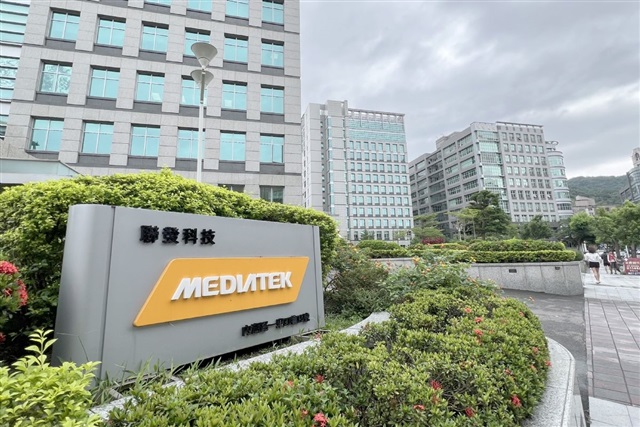
MediaTek’s ASIC ambitions hit a rough patch as uncertainty grows around a potential order from Meta and a separate, high-profile Google contract sees repeated delays. According to industry chatter, heightened competition and shifting customer timelines are complicating the chipmaker’s push into custom silicon at a pivotal moment for AI and data center hardware.
ASICs—application-specific integrated circuits—are tailor-made chips built to a customer’s exact performance, power, and cost targets. For hyperscalers and platform giants, custom silicon can be a strategic differentiator, boosting AI training and inference efficiency, cutting operating costs, and optimizing workloads. Winning these designs can be transformative for chip vendors, offering multi-year volume and revenue visibility. That’s why the current uncertainty around Meta’s plans and the ongoing postponements tied to Google matter so much for MediaTek’s roadmap.
What’s driving the turbulence
– Longer validation cycles: Leading-edge AI and data center ASICs require exhaustive testing, software tuning, and hardware-software co-optimization. Small adjustments can ripple through schedules.
– Rapidly moving targets: Model sizes, frameworks, and performance benchmarks evolve quickly. Customers often refine specs midstream to stay competitive, which can push out delivery dates.
– Cutthroat competition: Multiple chipmakers—and in some cases, in-house design teams—are vying for the same sockets. Pricing, power efficiency, and time-to-market are decisive.
– Supply and capacity trade-offs: Access to advanced manufacturing nodes and packaging can influence start-of-production timing and prioritization.
Why this matters for MediaTek
– Revenue visibility: ASIC wins typically anchor multi-quarter production plans. Any uncertainty makes it harder to forecast and align resources.
– Margin mix: Custom silicon can lift margins when volumes ramp, but protracted negotiations or redesigns can weigh on short-term profitability.
– R&D efficiency: Teams and budgets committed to specific design wins can be tied up longer if deals slide, delaying other opportunities.
– Strategic positioning: A strong foothold with top-tier customers like Meta and Google signals credibility in high-performance compute and can unlock future engagements.
The broader market context
The AI buildout—across data centers, edge devices, and connectivity—is fueling unprecedented demand for specialized silicon. While GPUs dominate the headlines, many companies are exploring or scaling ASICs to optimize specific workloads, reduce energy consumption, and control long-term costs. In this environment, design wins can shift quickly as buyers evaluate performance per watt, software ecosystem support, and total cost of ownership. MediaTek’s strengths in wireless, edge, and power-efficient design give it a credible shot in select segments, but the bar for winning—and keeping—flagship deals remains high.
What to watch next
– Clarity on Meta’s procurement plans: Concrete signals on scope, timelines, or initial volumes would help reset expectations.
– Resolution of the Google contract: A firm schedule or greenlight for production would mark a turning point for MediaTek’s ASIC pipeline.
– New design wins or partnerships: Additional customers, joint developments, or ecosystem collaborations could diversify risk and showcase momentum.
– Tape-outs and node choices: Progress on test chips, tape-outs, and advanced process nodes will indicate how close programs are to commercialization.
– Software stack readiness: Strong frameworks, tools, and developer support can be just as decisive as raw silicon performance.
Outlook
MediaTek remains a capable contender in custom silicon, but the path forward hinges on converting high-profile engagements into stable, scalable production. The company is navigating the same headwinds facing the broader semiconductor industry: aggressive performance targets, fast-evolving AI workloads, and tight competition for foundry capacity. If it can secure clearer commitments from Meta and move the Google deal past repeated delays, the ASIC business could regain momentum and strengthen MediaTek’s position in AI and data center markets. Until then, stakeholders should expect a measured pace, with timelines dictated by customer readiness, verification milestones, and the realities of advanced chip manufacturing.
Bottom line
Uncertainty around Meta’s orders and the postponement of a major Google contract underscore the challenges of competing in the fast-moving ASIC arena. MediaTek has the technical foundation to participate, but near-term progress will be defined by customer decisions, execution discipline, and the ability to deliver on performance, power, and cost targets at scale.