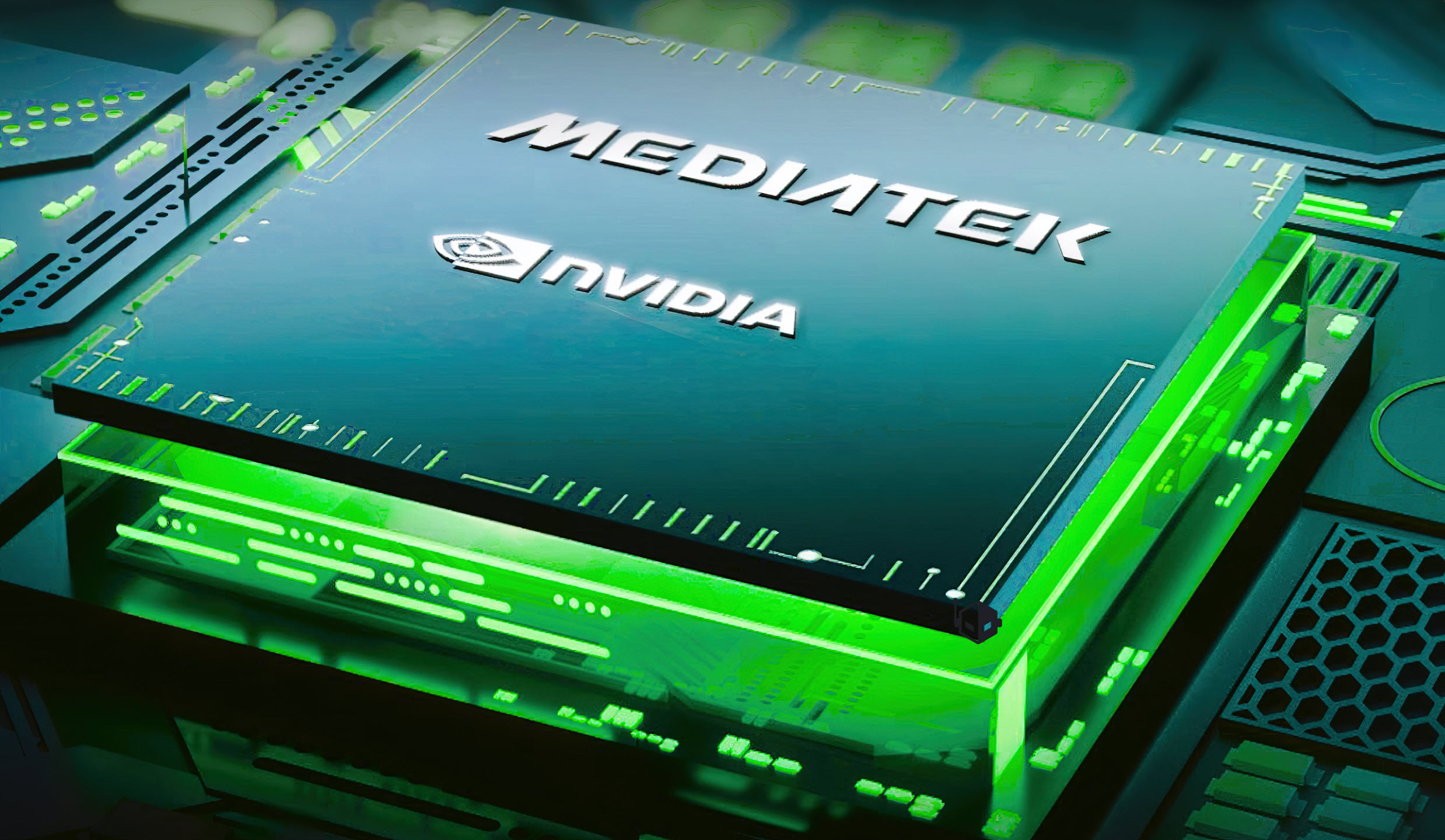
MediaTek just crossed a major milestone on the road to next‑generation computing: its first flagship system-on-chip built on TSMC’s cutting-edge 2nm process has officially taped out and is slated for mass production by the end of next year, with commercial availability expected by late 2026.
Tape-out is the moment a chip design is finalized and handed off for manufacturing, signaling that MediaTek’s 2nm flagship is moving from development to the production pipeline. It also places the company among the earliest adopters of TSMC’s 2nm node, a platform designed to deliver higher performance with significantly better power efficiency across mobile, AI PCs, automotive, data center, and broader computing markets.
TSMC’s 2nm technology introduces nanosheet, gate‑all‑around transistors for the first time in the company’s high-volume nodes. Versus the current N3E process, the new node targets roughly 20% higher logic density, up to 18% better performance at the same power, or about 36% lower power at the same speed. In practical terms, that means faster devices, cooler thermals, and longer battery life for premium phones, laptops, and edge AI hardware.
While MediaTek hasn’t named the chip or confirmed its target segment, the “flagship” label and the company’s recent history fuel speculation about broader ambitions. MediaTek and NVIDIA have collaborated before, including on the Grace Blackwell GB10 Superchip manufactured on a 3nm process. Rumors around NVIDIA-branded SoCs such as the N1 and N1X have circulated without formal announcements, prompting talk that both companies may be waiting for optimal software maturity and timing to make a bigger push into AI PCs with a purpose-built, highly efficient SoC.
If that’s the strategy, anchoring on TSMC’s 2nm platform could pay dividends. The leap from 3nm to 2nm would bring a meaningful boost to performance per watt, a crucial metric for on‑device AI, sustained mobile performance, and compact form factors. Beyond mobile and PCs, the move aligns with MediaTek’s stated goal of scaling advanced process tech across edge-to-cloud solutions in automotive, computing, and data center segments.
The competitive landscape is heating up as well. Other industry leaders are preparing 2nm designs, with AMD already signaling plans to leverage the node for future Zen 6 processors. All eyes are now on 2025 and 2026 milestones, where MediaTek is likely to share more details about the silicon, its architecture, and the first devices to feature it. Expect updates around major industry events next year and closer to late 2026 as launch windows come into focus.