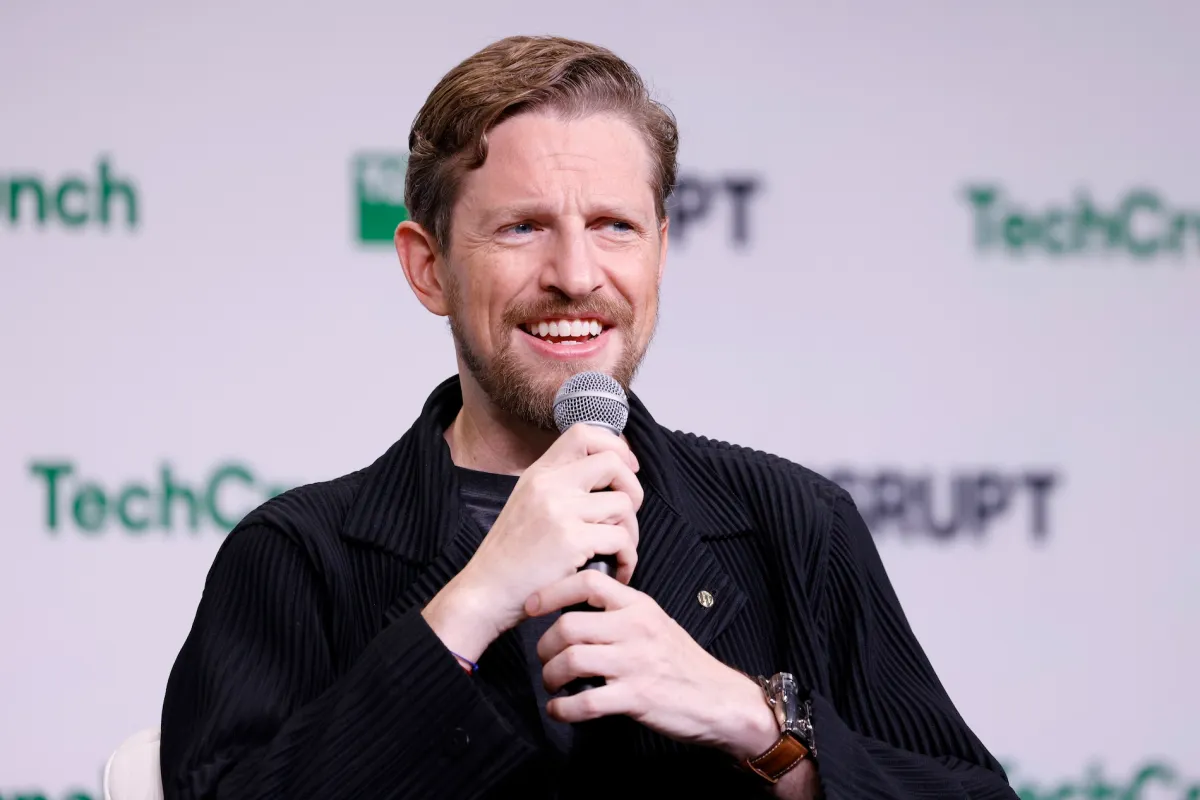
Matt Mullenweg says he is back in control of Automattic after boardroom clash
Matt Mullenweg, the WordPress co-founder and longtime CEO of Automattic, has reportedly told employees that he is back in control of the company after a dramatic leadership dispute involving the board.
The message was posted in Automattic’s internal Slack, where Mullenweg claimed the board is “back in agreement” and that he is once again leading the WordPress.com parent company. The statement came just days after the board reportedly voted to place him on paid leave and appoint Automattic chief financial officer Mark Davies as interim CEO.
Automattic has not publicly confirmed the latest development. Mullenweg, when asked about the situation, indicated that a blog post would be coming, though the post that followed reportedly focused on him buying a houseboat rather than directly explaining the leadership turmoil.
In his Slack message to employees, Mullenweg appeared upbeat but acknowledged that the past two days had been turbulent. He wrote that a lot had happened in the previous 48 hours and that the company would need to sort through it. He also said he hoped much of the conflict had been a misunderstanding, adding that he had “huge respect and regard” for those involved.
The situation began earlier in the week when Mullenweg reportedly told staff that Automattic board members had acted behind his back to remove him from day-to-day control. According to his account, the board voted to put him on paid leave, with Davies stepping in as interim CEO.
Now, however, Mullenweg is suggesting the power struggle has shifted again.
The uncertainty has left employees and observers trying to determine whether a formal leadership change has truly been reversed or whether the internal situation remains unresolved. As of the latest reports, employees had not received direct confirmation from Automattic’s board about Mullenweg’s return. Sources also said Davies’ Slack account had been deactivated, adding to the confusion.
Mullenweg’s recent online activity has made the story even harder to interpret. After the reported board decision, he posted cryptic comments on social media suggesting that the situation was not as straightforward as it appeared. In one post, he wrote that “things are different than they appear.” In another, he joked that “boards are never boring,” accompanied by a laughing emoji.
He also appeared to push back against speculation about what the leadership dispute might mean for WordPress, Automattic, and the broader open-source community. On Reddit, he responded to discussions about the news by saying he was “here” and “just fine,” while challenging some commenters who were trying to interpret the events.
The dispute comes at a tense time for Automattic and the WordPress ecosystem. Mullenweg and Automattic have been involved in a high-profile conflict with WP Engine, a major WordPress hosting provider backed by private equity firm Silver Lake. Mullenweg has publicly suggested that outside forces connected to that dispute may be attempting to damage him or undermine his role.
That claim has not been independently confirmed, and the exact reason behind Automattic’s reported board action remains unclear.
Automattic is one of the most important companies in the WordPress world. It operates WordPress.com, WooCommerce, Tumblr, Jetpack, and other products tied to publishing, e-commerce, and online content management. Because WordPress powers a massive share of the web, any instability at Automattic quickly draws attention from developers, publishers, business owners, and open-source advocates.
For now, the central question remains unanswered: Is Matt Mullenweg officially back as CEO of Automattic, or is the company still in the middle of an unresolved boardroom battle?
Until Automattic’s board or company leadership provides a clear public statement, the future of Automattic’s executive leadership remains uncertain. What is clear is that the dispute has already become one of the most closely watched moments in the recent history of WordPress and the open-source software community.


