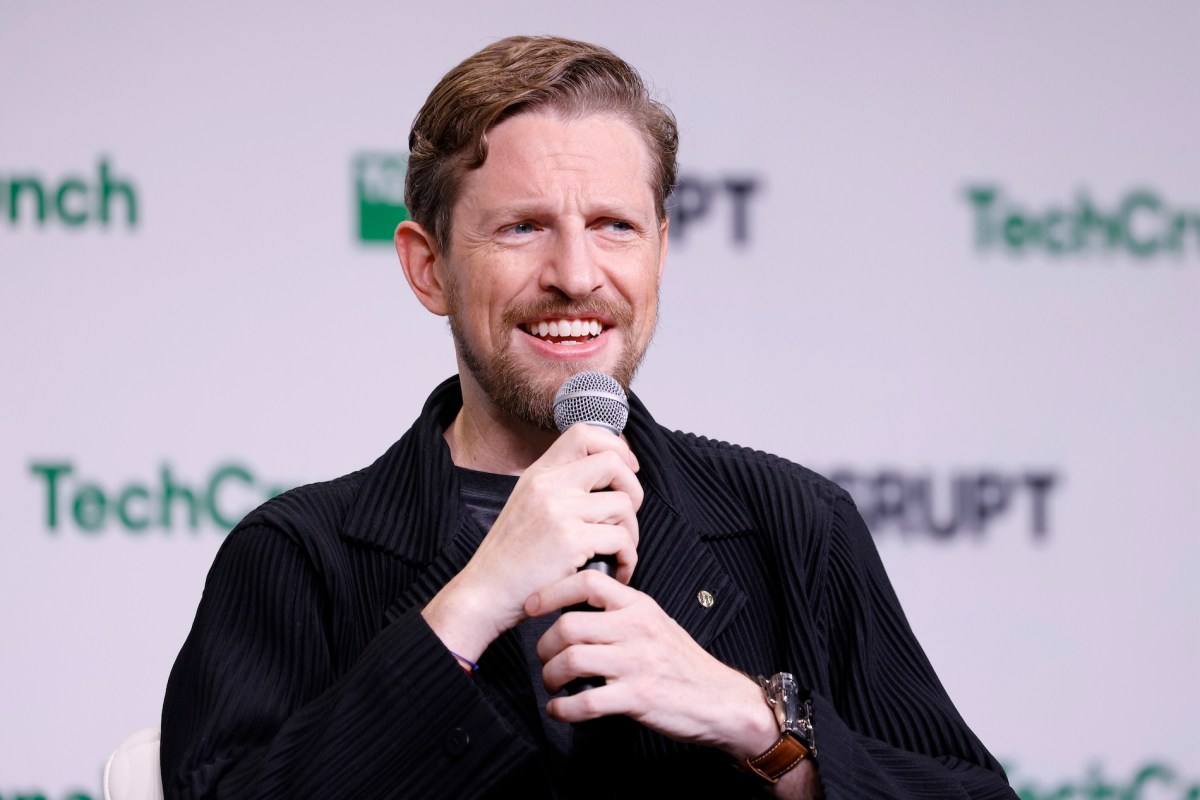
WordPress co-founder and Automattic CEO Matt Mullenweg recently opened up about his feelings regarding the potential for a new fork of the WordPress software during an event. Unfazed by the prospect, Mullenweg even expressed openness to the idea, noting that the history of WordPress includes several forks, a testament to the flexible nature of open source projects.
In the midst of a legal battle with WP Engine, a hosting provider, Mullenweg pointed out that their version of WordPress significantly diverges from the core software. This divergence could essentially already be seen as a kind of fork, hinting that an official split might even be beneficial. It would allow for alternative governance and innovations tailored by others, he suggested, offering a new pathway for dissatisfied community members.
Mullenweg underscored the strength and resilience of the WordPress community, with its latest version nearing release, boasting contributions from over 600 developers, only a small fraction of whom are from Automattic. The WordPress core software itself remains immensely popular, with 40 million downloads since mid-September, demonstrating its ongoing vitality and widespread use.
The legal dispute with WP Engine centers around the use of the “WP” brand, which Mullenweg claims misleads people into believing WP Engine is officially linked with WordPress. He argues that companies benefiting from the WordPress trademark should contribute back to its ecosystem, suggesting an 8% revenue share or equivalent labor contribution to WordPress development.
Despite the tensions and the departure of over 150 Automattic employees disagreeing with Mullenweg’s direction, he maintains that embracing forks and alternative perspectives is integral to the spirit of open source. Earlier remarks from Mullenweg on social media reiterated his belief that forks add value to the open source community, highlighting the vibrant and evolving nature of the WordPress ecosystem.