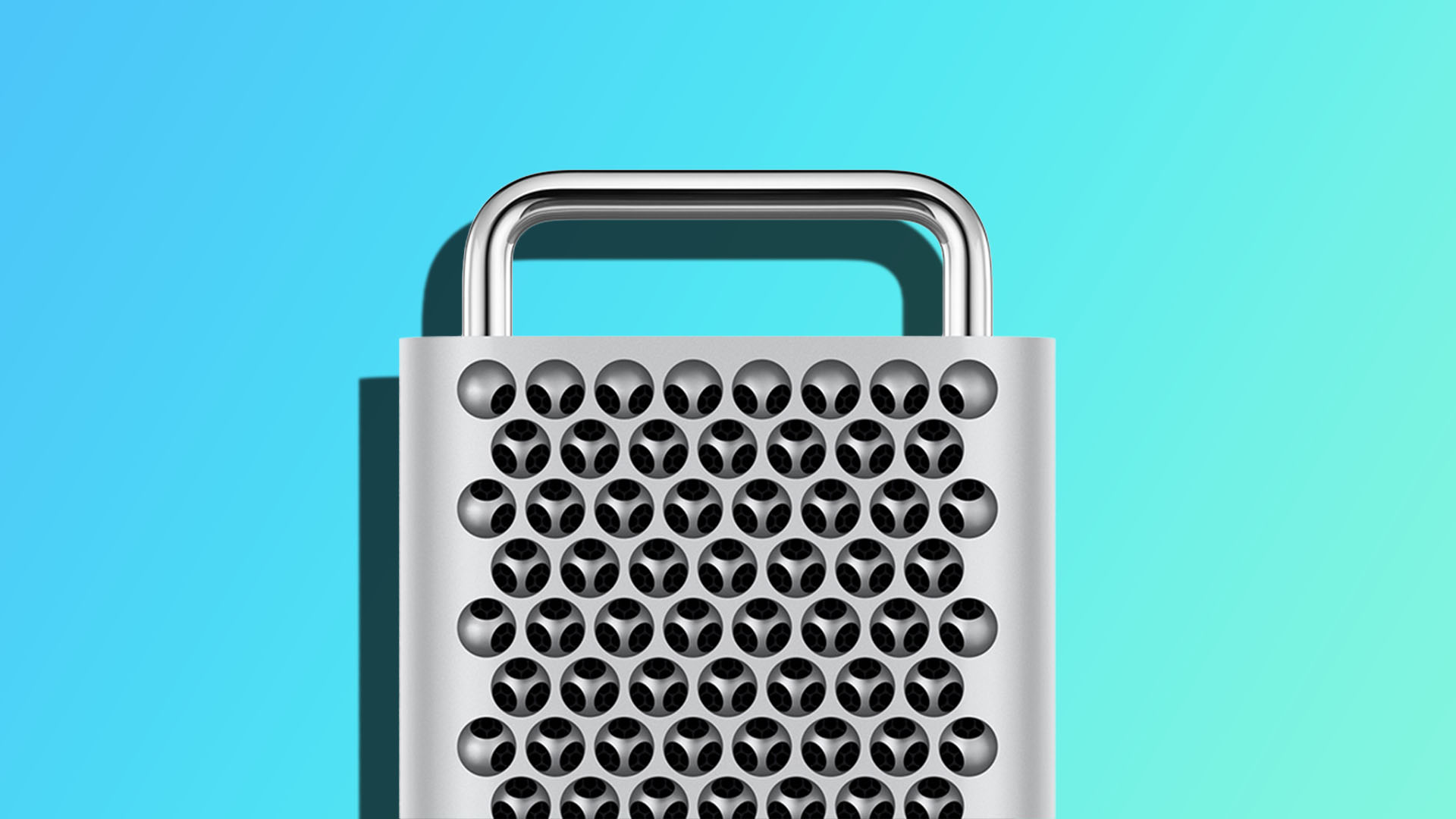
Apple’s flagship tower may be living on borrowed time. A new report suggests the company now treats the compact Mac Studio as the true heir to its pro desktop lineup, leaving the current Mac Pro stuck on older silicon and, increasingly, without a clear role.
Here’s the state of play. The latest Mac Studio picked up Apple’s M3 Ultra this year, while the Mac Pro remains limited to the M2 Ultra. That split speaks volumes. Inside Apple, the Studio is reportedly viewed as the go-to pro machine moving forward, effectively replacing the need for a hulking tower in most workflows.
Why the Mac Pro no longer fits the Apple Silicon era:
– Expansion isn’t what it used to be. The Intel-era Mac Pro made sense with a large chassis that could cool hot Xeon CPUs and host multiple PCIe cards, dedicated GPUs, and user-upgradable RAM. With Apple Silicon, unified memory is on-package; you can’t add RAM later, and external GPU support isn’t part of the picture.
– PCIe slots are now niche. In the current Mac Pro, those slots are mostly useful for extra storage, high-speed networking, or capture/IO cards—important for some studios, but overkill for many.
– Performance per watt favors smaller systems. The M3 Ultra’s efficiency is striking; in one HandBrake workload, it used about 55% less power than comparable x86 chips. That advantage lets Apple deliver top-tier performance in a compact, quiet Mac Studio without the bulk.
– Price and practicality weigh heavily. Starting at $6,999, the Mac Pro is big, heavy, and costly, while a similarly configured Mac Studio delivers near-identical compute performance for far less money and desk space.
According to reporting from Mark Gurman’s Power On newsletter, Apple has largely written off the Mac Pro as it repositions the Mac Studio as the flagship for high-end computing. There’s chatter that the next major ultra-tier chip—expected to be an M5 Ultra—is targeting the Mac Studio in the first half of 2026. Notably, there’s no corresponding buzz about a new Mac Pro, which hints at a quiet phase-out.
What this means if you’re shopping:
– Choose Mac Studio if you want maximum performance per dollar, minimal noise and footprint, and don’t need PCIe expansion beyond external storage and peripherals.
– Choose Mac Pro only if you absolutely require internal PCIe cards for specialized workflows like multi-channel capture, ultra-high-speed networking, or certain studio-grade IO that can’t be replicated externally.
Bottom line: The Mac Studio has effectively become the pro desktop for most creators and developers. With Apple prioritizing smaller, more efficient systems—and with unified memory eliminating traditional tower advantages—the Mac Pro looks increasingly like a specialty tool for a shrinking set of use cases. If current signals hold, 2026 could mark the end of the line for Apple’s tower.
Credibility rating for this report: Probable (61–80%). The sourcing and Apple’s product decisions to date align with the direction described, but final plans can change.


