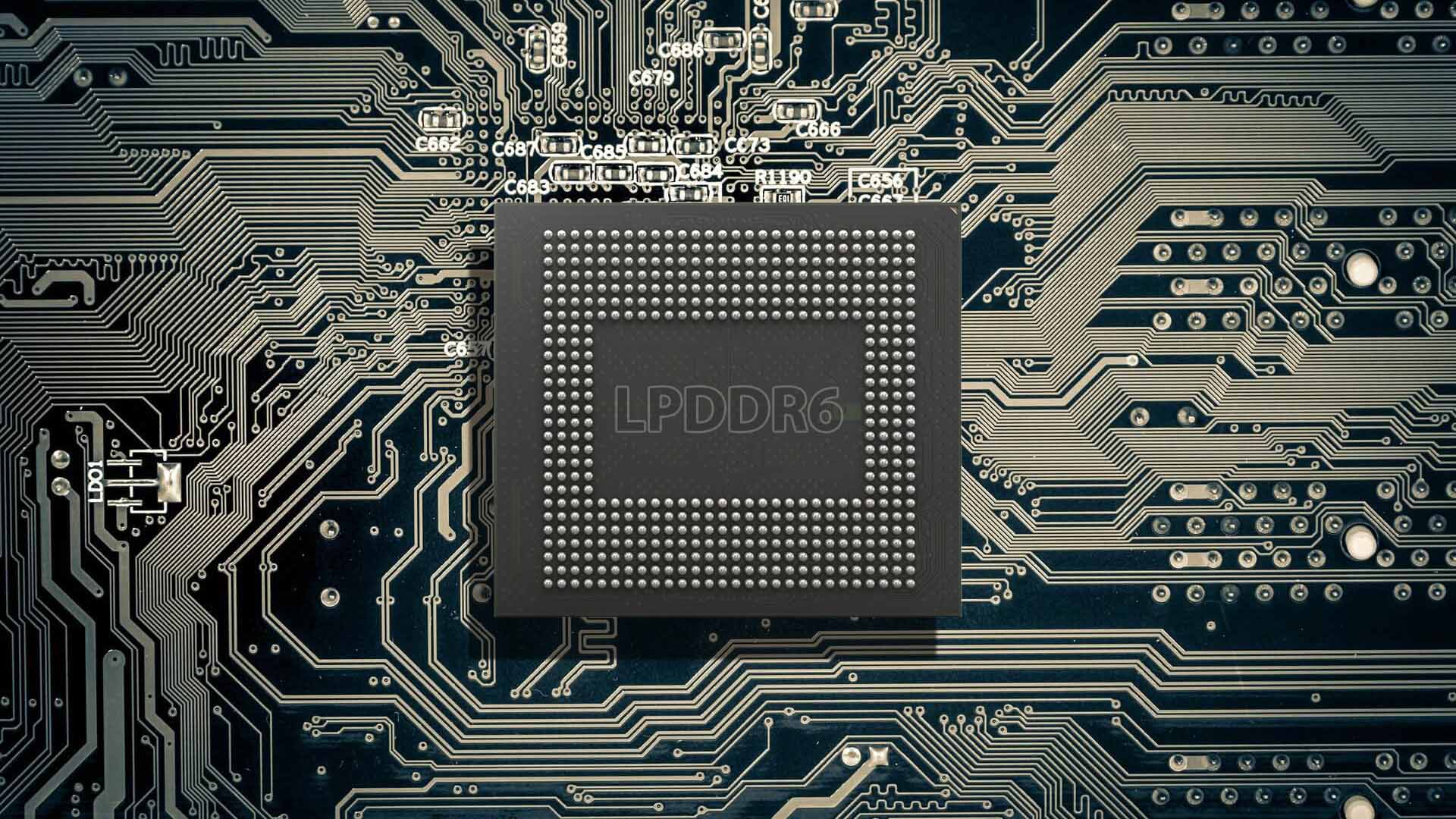
Smartphone RAM is heading for another big shake-up in 2025 and 2026, and the biggest keyword to watch is LPDDR6. Reports suggest major memory manufacturers are accelerating LPDDR6 development in the first half of 2025 to get ahead of rivals. The catch: the ongoing memory market crunch and rising production costs could keep LPDDR6 limited to only the most expensive flagship phones.
A new rumor says LPDDR6 will cost about 20% more than LPDDR5X, making the upgrade a pricey decision for Android brands. To put that into perspective, a 12GB LPDDR5X package is estimated around $70. With LPDDR6 carrying a premium on top of that, it’s easy to see why manufacturers may reserve it for ultra-premium devices rather than mainstream flagships.
The same rumor also claims phones equipped with LPDDR6 will likely come only in 16GB configurations. The thinking is simple: if memory is more expensive and supply is tighter, brands may not want to juggle multiple RAM options and absorb extra costs across different storage and memory SKUs. A single high-end configuration also makes it easier to market these devices as “no-compromise” flagships—while keeping margins healthier.
On the iPhone side, Apple is reportedly sticking with LPDDR5X for its upcoming iPhone 18 lineup rather than jumping to LPDDR6 right away. The expectation is that Apple prefers adopting newer memory standards after they’ve matured, when pricing and supply are more stable. Even so, Apple isn’t immune to the same pricing pressure—another rumor has suggested the company could be paying a steep premium for 12GB LPDDR5X in the iPhone 17 range, showing just how tense the RAM market may be.
For Android phones, LPDDR6 is currently expected to appear only in the most cutting-edge 2026-tier flagships, particularly those using next-generation top-end chipsets like the Snapdragon 8 Elite Gen 6 Pro and the Dimensity 9600. Cost pressures are stacking up from multiple angles, including expensive advanced-node silicon production (with 2nm wafers often cited as a major factor) and DRAM pricing trends that continue pushing hardware bills higher.
There’s also the growing possibility that some manufacturers may avoid LPDDR6 even in premium models to control costs. If a flagship already uses a more expensive “Pro” chipset, brands might choose LPDDR5X to balance the overall parts budget—or simply to protect profit margins. Meanwhile, the non-Pro version of Qualcomm’s next flagship platform could appear in more devices at high volume, but that may also mean more phones remain on LPDDR5X rather than adopting LPDDR6 immediately.
What this means for shoppers is straightforward: if you want a true next-generation 2026 flagship with the newest memory technology, expect higher prices. Between rising RAM costs and increasingly expensive chip manufacturing, the top tier of smartphones may get even more premium—especially for configurations that combine a cutting-edge processor with 16GB of LPDDR6 RAM.