Recent insights reveal that iPad owners are holding on to their tablets for more extended periods, often beyond three years before opting for an upgrade. This shift in consumer behavior has been highlighted in a survey by Consumer Intelligence Research Partners (CIRP) which indicates a noticeable trend in the iPad upgrade cycles extending considerably.
The survey captures an upward shift from 28 percent of iPad users keeping their devices for over three years in 2022 to now 40 percent exhibiting the same pattern. A variety of factors contribute to this reluctance to upgrade, with budgetary constraints and satisfactory performance of existing iPads being prominent reasons. Additionally, users seem to replace their iPads mainly due to storage limitations, usability issues, or a diminishing battery life rather than a desire for new features or improved performance.
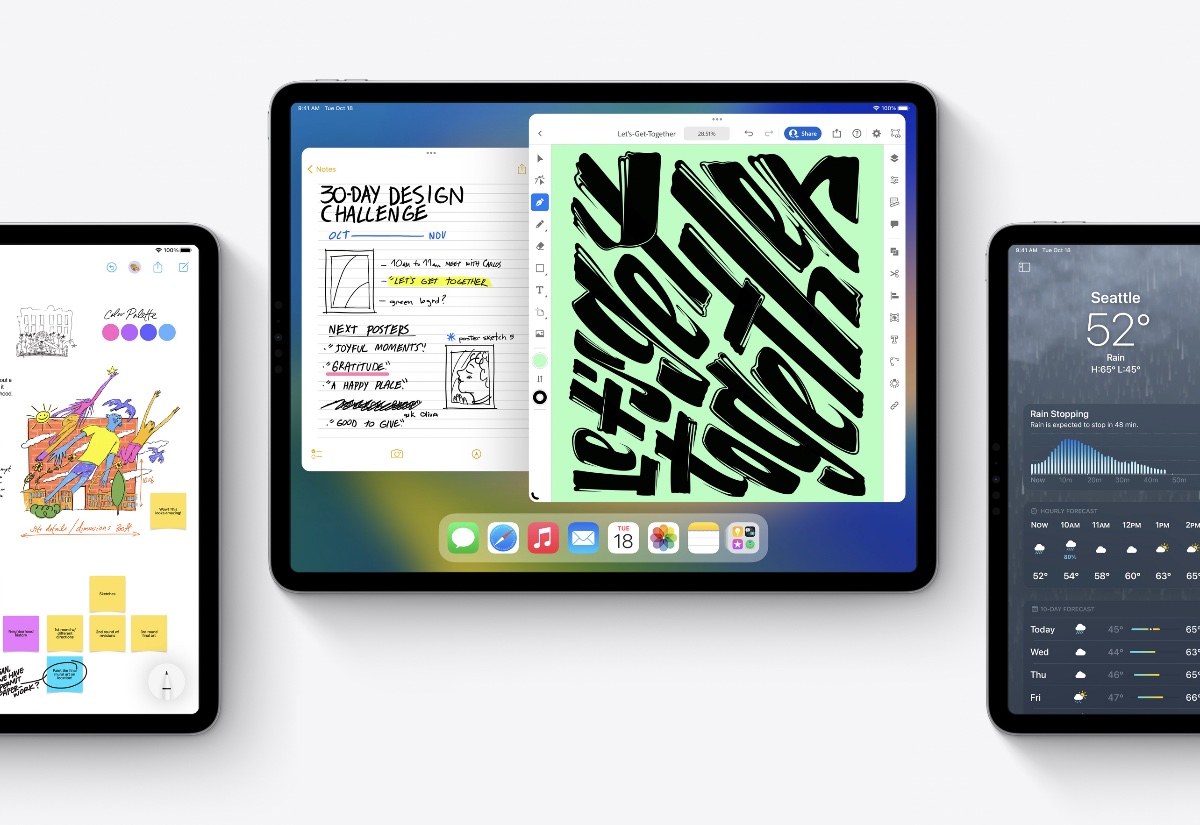
One aspect that seems to influence the prolonged upgrade cycle is the features, or lack thereof, offered by iPadOS. The operating system provides a similar user experience across various iPad models, from the budget-friendly options to the more advanced ‘Pro’ variants. This uniformity minimizes the incentive for users to invest in the latest models when the functional benefits are negligible. iPadOS, appearing to mirror iOS closely, doesn’t offer exclusive functionalities that distinguish iPads significantly from iPhones, especially considering the primary differentiator is the ability to attach a keyboard.
Typically, iPads have a lifespan of around 4 to 5 years before noticeable signs of degradation occur. Apple’s policy of providing software updates for a minimum of five years further influences users’ decisions to postpone upgrading their devices.
The stagnation in iPad upgrades places pressure on Apple to innovate and introduce features that make the latest models compelling enough for users to consider upgrading. With the introduction of devices like the M4 iPad Pro, there is an anticipation for a revamp in demand for the iPad market. Despite the upgrades and enhancements that newer models may offer, the trend of users gravitating towards budget-friendly models persists due to the practicality and functionality they provide.
User behavior suggests a clear signal to tech companies like Apple: innovations in software and exclusive features are becoming increasingly crucial for compelling consumers to upgrade their devices. The overlap in functionality between the iOS and iPadOS needs to be addressed to reignite consumer interest and stimulate the market for newer iPad models.