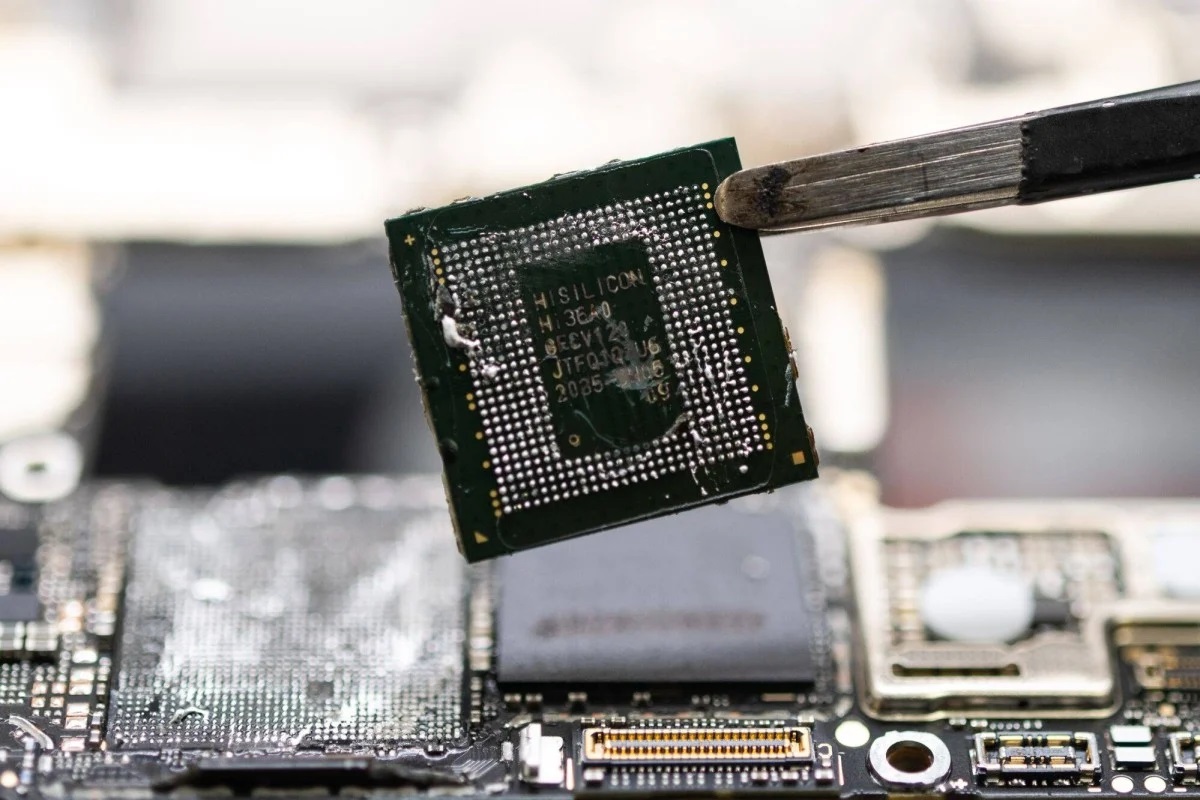
Huawei is reported to have made a strategic decision to incorporate its remaining Kirin 9000 chipset supply into devices that will be priced at a surprisingly competitive rate of approximately $300. This development follows the success that Huawei has seen with variations of the Kirin 9000 chipset, such as the Kirin 9000S, particularly in the Chinese market where the tech giant has seen a resurgence.
Despite the need for advancing technology and the quest for more sophisticated chipsets, Huawei seems poised to capitalize on the stock of Kirin 9000 chipsets it currently holds. Initially, devices boasting the Kirin 9000 variant, like the Huawei Mate 60 series, retailed at a much higher price point, going over $1,200 in China. The decision to introduce these once-premium chipsets into more affordable devices is expected to drive considerable consumer interest and potentially expand Huawei’s market share in the entry-level smartphone and tablet segments.
The shift comes at a time when Huawei is rumored to be developing new chip technology, banking on a 5nm process and preparing to unveil a ‘Kirin PC Chip’ with the potential to shake up the ARM PC market. The anticipated iteration of the Kirin chipset is likely to be manufactured using the 5nm technology developed by SMIC, Huawei’s foundry partner. The strategic move to transition the Kirin 9000 chipsets to lower-priced devices allows Huawei to make room for its upcoming innovations in chip technology.
The rumor, which initially surfaced online from a source identified as @jasonwill101, also hinted at future development plans. These include mobile chips operating on an N+3 process, roughly equatable to a 5.5nm process, and the launch of processors tailored for Huawei’s PCs within the same time frame. However, it is not yet clear which exact devices will benefit from the integration of the Kirin 9000 chipsets, although smartphones and tablets are likely candidates given their historical sales performance in China.
The move reflects Huawei’s resilience and adaptability in the face of U.S. trade sanctions that have challenged the company’s supply chain and strategic planning. Leveraging the Kirin 9000 chipsets in less expensive devices represents an intelligent redirecting of resources that could lead to significant consumer engagement and profitability for the tech conglomerate. The repositioning of these chipsets may very well be the bargain huawei needed to sustain its competitiveness in the global tech marketplace.