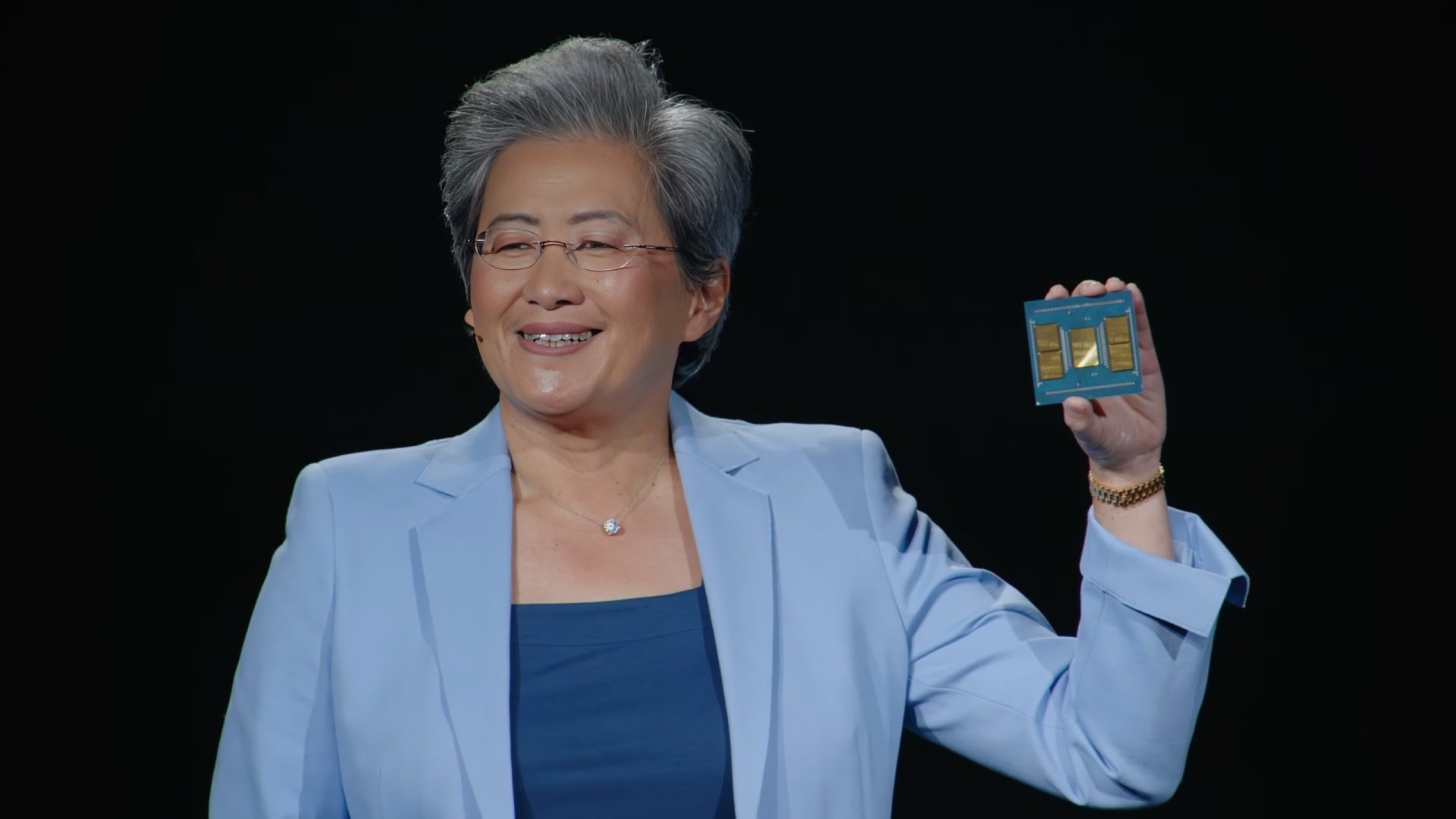
AMD CEO Lisa Su is reportedly heading to South Korea next week for high-level meetings focused on memory supply and broader supply chain strategy, a move that signals how seriously AMD is taking the next phase of the AI infrastructure race.
Industry reports say Su will arrive around March 18, marking her first trip to South Korea since becoming CEO in 2014. The visit is expected to include sit-downs with major Korean technology leaders, including Samsung Electronics Executive Chairman Lee Jae-yong and Naver CEO Choi Soo-yeon, with discussions likely centered on strengthening cooperation in areas such as data centers and advanced computing.
The timing isn’t accidental. AMD is preparing for a major push into next-generation AI hardware and data center platforms, aiming to scale its capabilities in both accelerators and server CPUs. With increased demand for AI compute, server deployments, and so-called agentic AI workloads, AMD’s ability to secure enough key components will be just as important as the performance of its products. In this environment, relationships with supply chain partners can directly influence how quickly a company can deliver hardware to customers.
One of the most closely watched parts of Su’s trip is her expected meeting with Samsung’s leadership, where discussions will likely revolve around high-bandwidth memory (HBM) and semiconductors. HBM has become one of the most critical building blocks for modern AI accelerators, and competition for supply is intense. AMD has already been an important customer in Samsung’s HBM business and was among the early companies to secure HBM3E supply. Looking forward, AMD is also expected to play a meaningful role in Samsung’s HBM4 ramp, but locking in capacity may be more challenging than before as more major AI players push to secure long-term memory allocations.
Beyond memory, AMD is also said to be deepening ties with Samsung in advanced manufacturing. Recent discussions have reportedly touched on collaboration around 2nm process technology for future EPYC “Venice” server CPUs. If that partnership expands, Korea’s role in AMD’s long-term roadmap could grow significantly, spanning not only memory but also leading-edge chip production.
Overall, Su’s South Korea visit highlights a clear strategy: AMD wants to secure supply early, reinforce critical partnerships, and ensure it can meet AI-driven demand as the data center market accelerates. In a world where supply constraints can decide winners and losers, being proactive with memory and manufacturing partners may be one of AMD’s most important competitive moves this year.