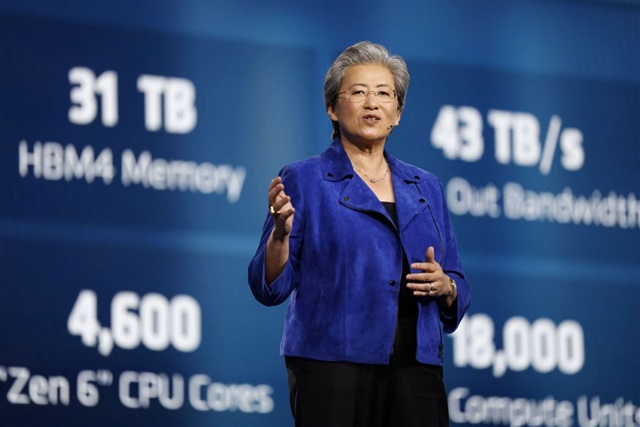
Reports suggest AMD CEO Lisa Su is preparing to visit South Korea in the coming days, a move that’s already sparking fresh speculation across the global semiconductor and AI industries. According to the reports, Su is expected to meet with key local tech leaders, including Samsung Electronics and Naver, to discuss potential cooperation. For many observers, the timing is just as notable as the guest list, with the trip being interpreted as part of AMD’s broader push to strengthen its position in the fast-growing AI hardware and computing market—an arena where Nvidia currently holds a commanding lead.
The reported meetings hint at a strategy built around partnerships rather than going it alone. Samsung Electronics is a major force in advanced chip manufacturing and memory technology, both of which are critical building blocks for high-performance computing and AI acceleration. As AI workloads continue to expand—from training massive models to running real-time inference—demand is rising for powerful GPUs, high-bandwidth memory, and cutting-edge packaging technologies. Working closely with a company like Samsung could help AMD scale solutions that compete more aggressively in data centers and AI-focused infrastructure.
Naver, meanwhile, represents another important piece of the puzzle. As one of South Korea’s best-known internet and technology companies, Naver has been investing heavily in AI services, cloud platforms, and next-generation digital tools. A potential collaboration could open doors for AMD across AI deployment use cases, regional cloud ecosystems, and enterprise platforms—areas where hardware choices can shape performance, cost, and efficiency for years.
While details of the discussions have not been confirmed, the reported trip underscores how intense the battle for AI leadership has become. Nvidia’s dominance in AI computing has been fueled by a combination of powerful GPU hardware, strong software support, and deep relationships with cloud and enterprise customers. For AMD, expanding its influence will likely require not only competitive chips, but also a wider network of strategic partners that can help accelerate adoption and build momentum in key markets.
If the meetings move forward as expected, the visit could signal AMD’s intent to deepen collaboration in Asia at a moment when AI demand is reshaping the semiconductor landscape. Whether the outcome is a formal partnership or simply early-stage conversations, the message is clear: AMD is looking for opportunities to grow its AI footprint—and South Korea’s technology giants may play a meaningful role in that next phase.