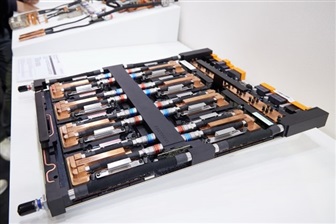
Rising demand for AI computing is changing what data centers need most, and one of the biggest shifts is happening behind the scenes: cooling. As AI workloads grow larger and more power-hungry, traditional air cooling is struggling to keep up with the heat produced by high-density servers. That pressure is accelerating a major transition across the industry, with more operators moving from air-based systems to liquid cooling to improve performance, reliability, and space efficiency.
For data centers focused on maximizing the amount of computing power they can fit into limited space, cooling is no longer a simple facilities problem. It’s become a key part of infrastructure planning. AI servers often run at higher power levels than conventional systems, creating intense thermal loads that can limit how many machines can be packed into a rack or a room. When air cooling reaches its practical limits, heat becomes a bottleneck—slowing expansion plans, raising energy costs, and forcing facilities to dedicate more floor space to airflow management.
Liquid cooling is emerging as the go-to solution because it removes heat more efficiently than air. By transferring heat away from critical components more directly, liquid-based designs can support higher-density deployments and help data centers operate more consistently under heavy AI training and inference workloads. The result is a growing push to redesign server rooms, racks, and cooling architectures around liquid cooling methods rather than relying solely on fans and chilled air.
This shift is also creating a new wave of high-growth revenue opportunities for thermal solution providers. As more data centers adopt liquid cooling, demand increases for a wide range of supporting technologies and services—everything from liquid-cooled server designs and integration expertise to the components and systems required for safe, stable operation at scale. In other words, the growth isn’t limited to one product category; it’s expanding across the cooling ecosystem.
The momentum behind liquid cooling is tied directly to the broader AI boom. As organizations invest in more advanced AI hardware, they also have to invest in the infrastructure that keeps it running efficiently. Cooling is one of the fastest-moving parts of that infrastructure transformation. For businesses tracking AI data center trends, liquid cooling adoption, and thermal management innovation, the message is clear: the future of high-performance computing will depend as much on managing heat as it does on processing power.