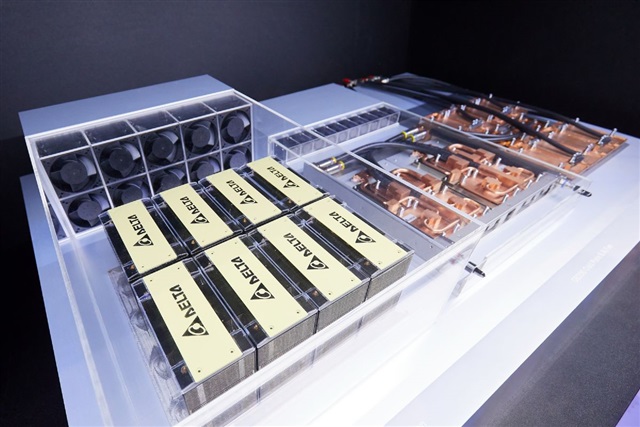
In the ever-evolving world of technology, artificial intelligence (AI) is pushing the boundaries and placing unprecedented demands on data centers. This pressure is leading to a notable transformation in the thermal management industry, valued at a staggering $5 billion. As AI continues to thrust data centers into overdrive, there’s a significant pivot from conventional air-cooling systems to innovative liquid cooling solutions.
Analysts in the field highlight this trend as a critical response to AI’s insatiable hunger for processing power. Traditional cooling methods are beginning to buckle under the pressure, unable to keep up with the heat generated by AI workloads. Enter liquid cooling—a modern approach gaining momentum for its ability to efficiently manage and dissipate heat, maintaining optimal performance levels in these high-stakes environments.
Liquid cooling operates by directly transferring heat from the components, offering a more efficient and constant cooling effect than its air-based predecessors. The shift is also driven by the necessity to improve energy efficiency and meet the ever-tightening environmental standards that many data centers are striving to achieve.
This transition represents more than just a technological update; it signifies a broader shift in the industry towards embracing cutting-edge solutions to meet the demands of today’s digital age. As liquid cooling becomes more prevalent, data centers can expect increased reliability, enhanced thermal management, and potentially reduced operational costs.
For those keeping a keen eye on technological advancements, the rise of liquid cooling in AI-focused data centers marks an exciting era. This forward-thinking adaptation is poised to become a catalyst for further innovation, driving the industry towards a more sustainable and efficient future.