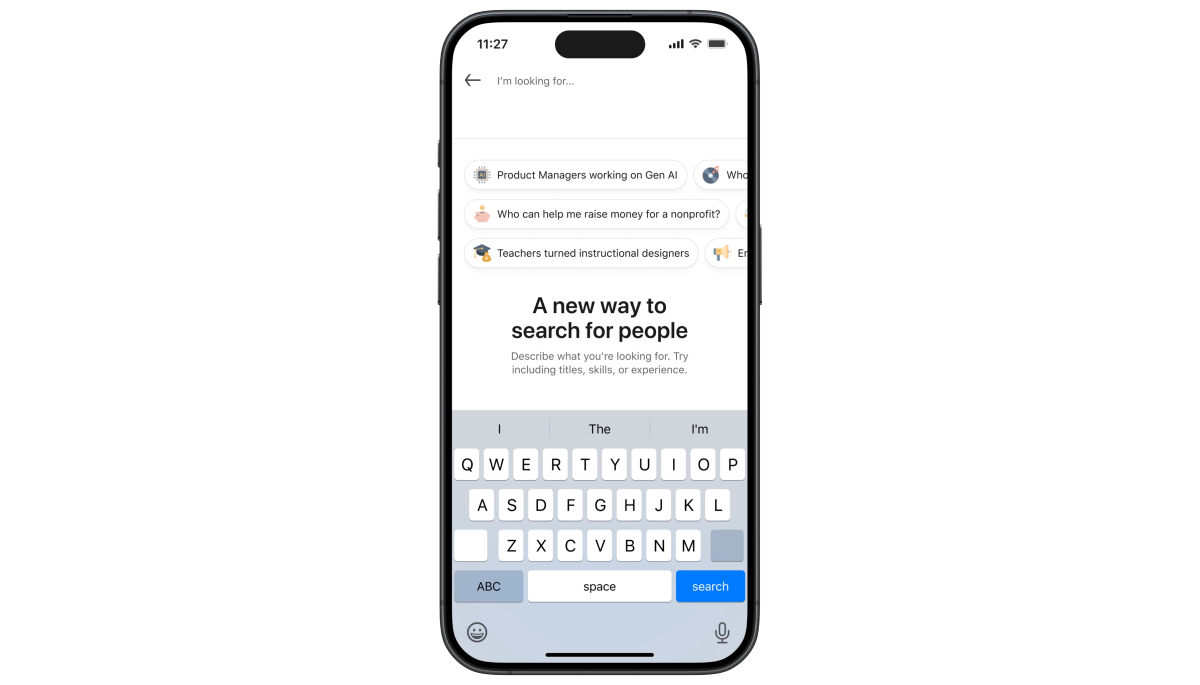
LinkedIn is upgrading one of its most-used features with a major dose of artificial intelligence: people search. After experimenting with AI across ad copy, content creation, learning, hiring tools, career coaching, and a natural-language job search feature in the U.S., the Microsoft-owned platform is now bringing conversational queries to help you find the right people faster.
What’s new is simple and powerful: instead of wrestling with exact keywords or stacking multiple filters, you can type what you actually mean. Think in plain English and let the system translate your intent into results. For example:
– Find me investors in the healthcare sector with FDA experience
– People who co-founded a productivity company and are based in NYC
– Who in my network can help me understand wireless networks
Historically, LinkedIn search has rewarded those who knew the precise title to type or the exact mix of filters to apply. That made it easy to miss relevant profiles, especially if you weren’t sure which job titles or buzzwords to use. The new AI-powered people search aims to remove that friction by understanding context and delivering the most helpful matches based on what you’re trying to accomplish—whether that’s landing a new role, sourcing partners and investors, or expanding your professional network.
This move arrives as the broader web shifts to AI-driven answers and conversational discovery. Users increasingly expect to ask complex, natural questions and get useful, actionable results. LinkedIn is frequently used in demos of AI agents and assistants for exactly this reason: it’s where real-world professional context lives. The company says it’s still early in setting long-term policies around how browsers and agents interact with its data, but it expects those guidelines to mature over time.
Availability starts with premium members in the United States, with expansion to more regions on the roadmap. If you’re part of the rollout, you’ll notice the search bar prompt change from “Search” to “I’m looking for…,” nudging you to type queries in a more conversational way.
As with any new AI feature, there are limitations. The system can return different results depending on wording; for instance, “people who co-founded a YC startup” may not match “Y Combinator” exactly, and queries like “people who co-founded a voice AI startup” might pull in profiles with a “Top Voice” badge that aren’t necessarily founders. LinkedIn says it’s actively improving how the tool interprets intent, synonyms, and industry shorthand.
Quick tips to get better results right now:
– Be explicit about role, industry, and location (for example, “New York” instead of “NYC” if one term works better)
– Add experience qualifiers (years, certifications, regulatory knowledge)
– Include relationship context (in my network, second-degree, alumni)
– State your goal (looking for potential hires, mentors, investors, partners)
For professionals, recruiters, founders, and job seekers alike, AI-powered people search turns the platform into a more intuitive discovery engine. If you’ve ever felt stuck guessing the “right” keywords, this update is designed to surface the right people faster—and get you from search to connection with fewer steps.