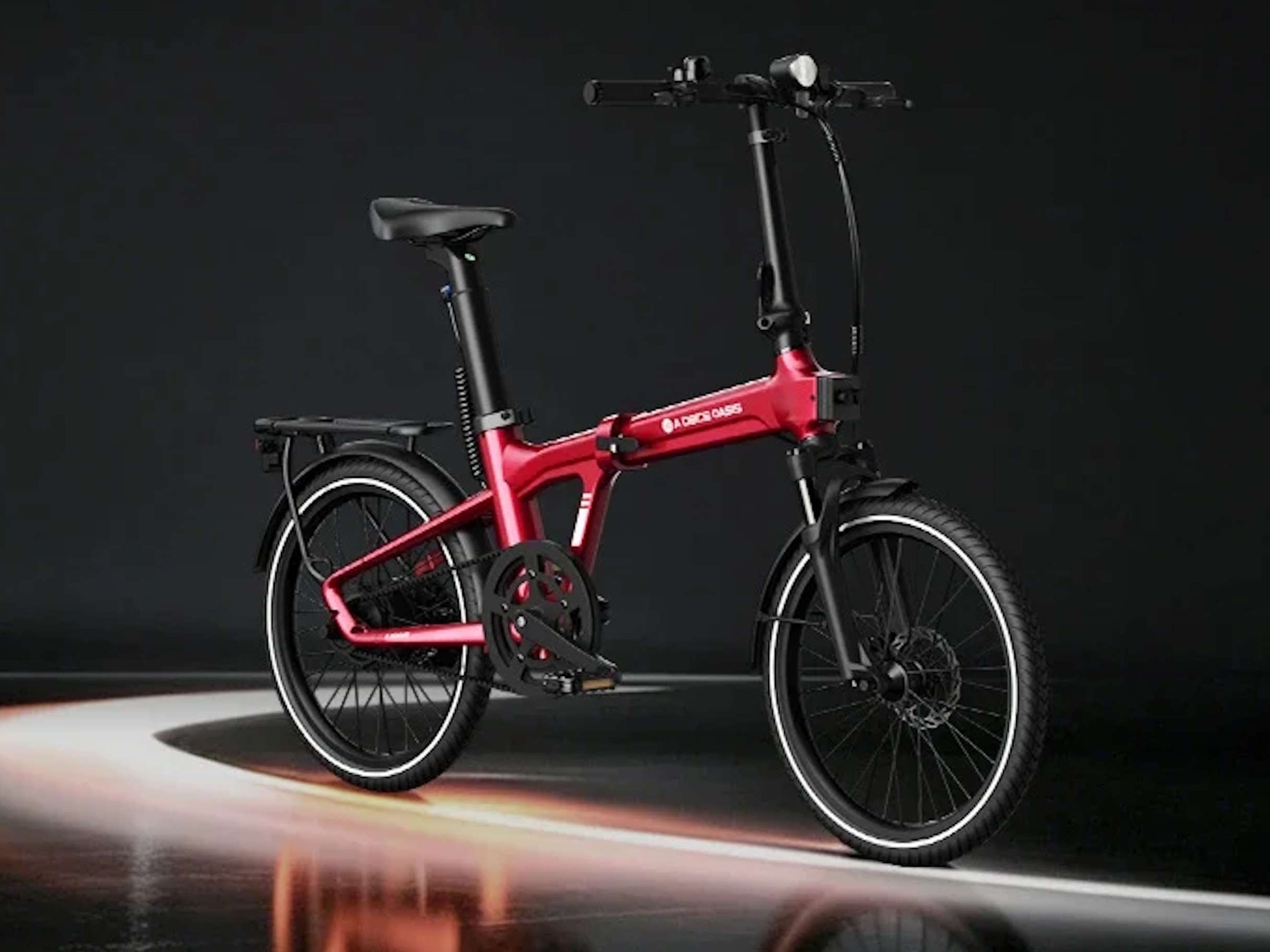
ADO Air 20 LiDAR Folding E-Bike Debuts With Smart Hazard Detection and Everyday Commuter Features
ADO has introduced the Air 20 LiDAR, a new folding electric bike designed for riders who want compact portability, low-maintenance hardware, and extra safety support for daily commuting. While the company has not yet confirmed the official launch date or final pricing, the full technical details suggest this could become one of the more interesting folding e-bikes for urban travel.
The standout feature is right in the name. The ADO Air 20 LiDAR comes equipped with an integrated hazard detection system that combines front-facing LiDAR with millimeter-wave radar. This setup is designed to monitor the road ahead, detect obstacles and approaching vehicles, and alert the rider in real time.
For commuters who frequently ride in mixed traffic or on roads without protected bike lanes, this kind of awareness system could be a major advantage. Instead of relying only on mirrors or quick shoulder checks, riders get an added layer of assistance that may help improve confidence in busy urban environments.
The e-bike is powered by a Bafang H730 rear hub motor delivering 50 Nm of torque. It also uses a dual-sided torque sensor, which should make pedal assistance feel smoother and more natural by responding to the rider’s effort more accurately.
Another practical addition is the automatic 3-speed internal gear hub. Rather than requiring constant manual shifting, the system is designed to adjust gears based on speed and road gradient. This could make the Air 20 LiDAR especially convenient for riders who want a more relaxed commuting experience, whether cruising through flat city streets or tackling mild inclines.
ADO has also fitted the bike with a carbon belt drive instead of a traditional chain. This is a key feature for everyday riders because belt drives are cleaner, quieter, and require less maintenance. Since there is no chain grease, the bike is also easier to fold, carry, and place in a car trunk or near public transport seating without worrying about oil stains.
The ADO Air 20 LiDAR weighs 22 kg with standard accessories, which is reasonable for a folding electric bike with this level of equipment. It rides on 20-inch wheels and features a folding frame and folding pedals, making it easier to store at home, bring onto public transit, or fit into a vehicle.
Power comes from a 374 Wh battery integrated into the seatpost. This design helps keep the frame looking clean while maintaining the compact profile expected from a folding e-bike.
For ride comfort, the Air 20 LiDAR includes a front suspension fork to help absorb bumps from uneven pavement, rough bike lanes, and light urban terrain. It also comes ready for practical daily use with front and rear lights, full mudguards, and a MIK-compatible rear cargo rack.
The rear rack supports loads of up to 25 kg, making it useful for groceries, work bags, panniers, or other commuting essentials. Combined with the mudguards and lighting system, this gives the bike a strong everyday-use focus rather than positioning it as a simple leisure model.
ADO has not yet announced the official price for the Air 20 LiDAR. However, the current ADO Air 20 Ultra 2026 is priced at €1,899, which may offer a rough indication of where this new model could land depending on the added cost of the LiDAR and radar safety system.
With its folding design, automatic gearing, carbon belt drive, integrated lighting, cargo rack, and advanced hazard detection technology, the ADO Air 20 LiDAR looks like a well-equipped electric bike aimed at modern commuters. If the final price is competitive, it could appeal to riders looking for a compact e-bike that blends portability, comfort, and smarter road awareness.


