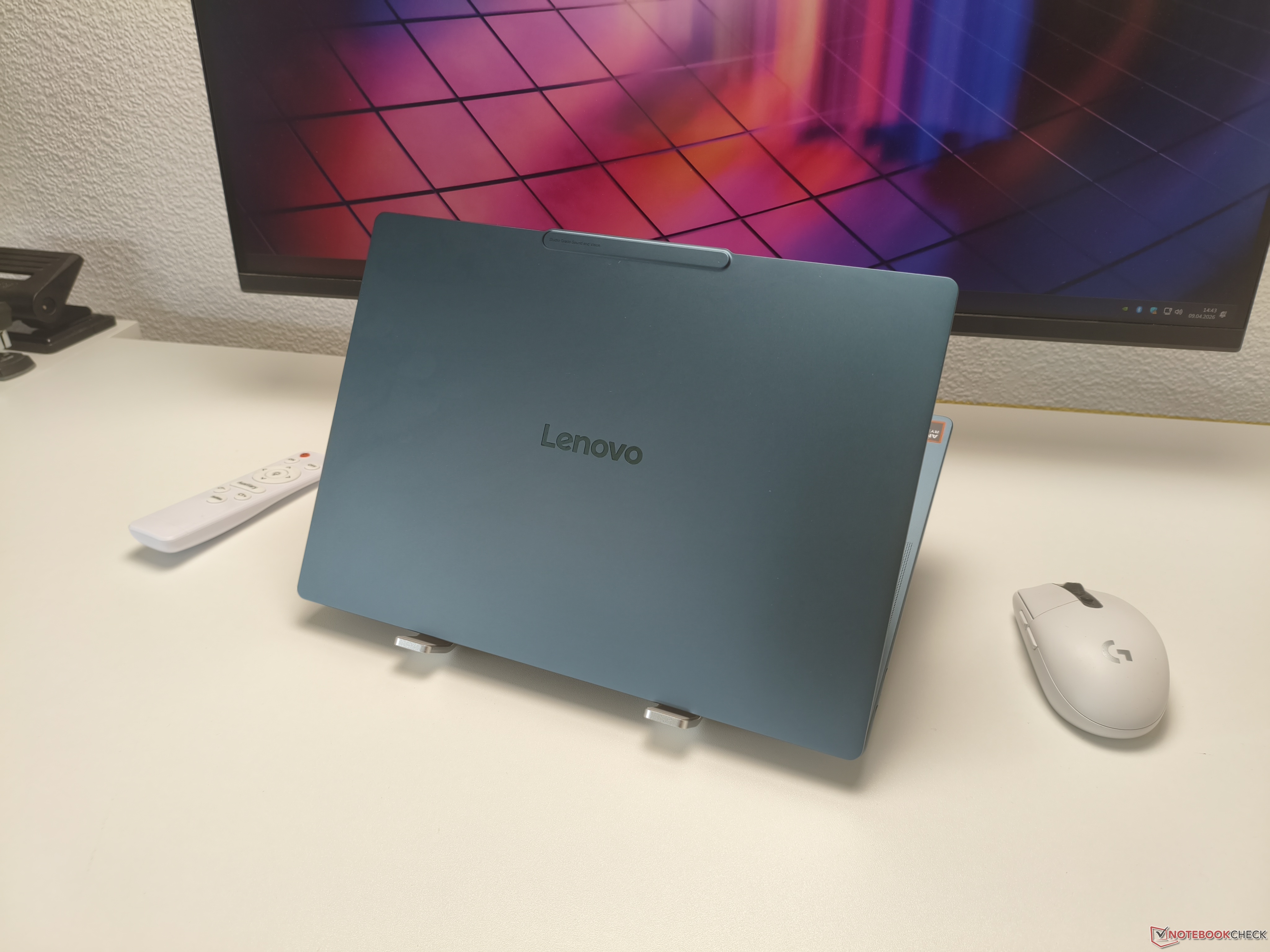
AMD’s Ryzen laptop chips can be confusing at a glance, and the Ryzen AI 7 445 is a perfect example of why buyers should look beyond the name. On paper, “Ryzen AI 7 445” sounds like it should sit close to older Ryzen AI 7-class processors, especially the Ryzen AI 7 350. In real-world testing inside the Lenovo Yoga Slim 7a, though, the performance gap is hard to ignore—and it doesn’t favor the newer-sounding chip.
CPU performance is the first red flag. The Ryzen AI 7 445 falls behind the Ryzen AI 7 350 across a range of benchmarks because it’s built with fewer resources: six CPU cores instead of eight, and 12 threads rather than 16. That difference matters for everyday speed, heavier multitasking, and productivity workloads that can actually take advantage of more cores and threads. As a result, the Ryzen AI 7 350 consistently pulls ahead, delivering the kind of performance you’d typically expect from a higher-tier “AI 7” label.
Gaming and graphics performance make the situation even clearer. The Ryzen AI 7 445 relies on integrated Radeon 840M graphics, which struggles to compete with the Radeon 860M found in the Ryzen AI 7 350. In synthetic graphics testing like 3DMark, the Radeon 860M produced roughly 80% to 90% higher performance on average. That’s a massive leap, and it translates into smoother gameplay, better frame rates, and more breathing room for modern titles—even if you’re sticking to integrated graphics.
The bigger issue here is how the naming can shape expectations. With a label like “Ryzen AI 7 445,” many shoppers will naturally assume they’re getting performance that’s comparable to other Ryzen AI 7 chips. But based on these results, the Ryzen AI 7 445 behaves more like a tier below. A more fitting name—something closer to a “Ryzen AI 5” designation—would better reflect what it delivers and help consumers make clearer comparisons when shopping.
Value is another consideration. The Lenovo Yoga Slim 7a configuration in question sits around €1,300 (about $1,530), and at that price point, there are already laptops available with faster CPUs and stronger integrated GPUs. That means buyers looking for the best performance-per-dollar may find more compelling alternatives in the same bracket, especially if CPU-heavy tasks or light gaming are part of the plan.
Bottom line: the Ryzen AI 7 445 isn’t necessarily a bad processor, but its name risks setting the wrong expectations. If you’re considering a premium thin-and-light like the Lenovo Yoga Slim 7a, it’s worth comparing specs carefully—core counts, thread counts, and integrated graphics—because the “AI 7” badge alone doesn’t guarantee the performance you might assume.