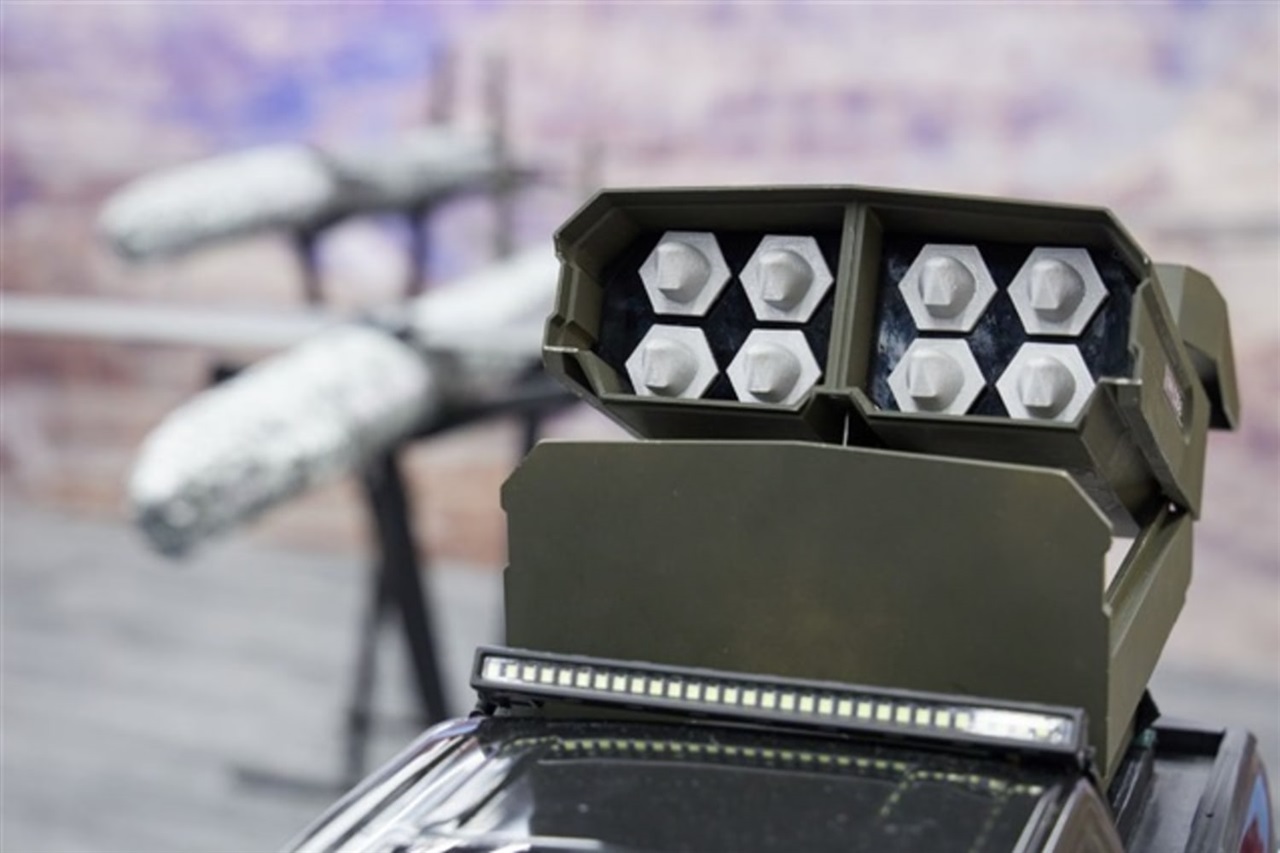
Taiwan’s manufacturing story is taking a sharp turn upward—literally. Long known for producing high-quality sportswear fabrics, functional textiles, and components for bicycles and outdoor gear, more of the island’s textile and composite materials companies are now pushing into aerospace and drone supply chains. The shift is being driven by a mix of economic reality and opportunity: tightening profit margins, softer demand in traditional markets, and the promise of higher-value applications where performance matters more than price.
For years, Taiwan’s textile industry built its reputation on advanced materials that are light, durable, breathable, and engineered for demanding use. That same know-how translates naturally into aerospace-grade composites and drone components, where weight reduction, strength, heat resistance, and reliability are mission-critical. Companies that once focused on athletic apparel innovation are increasingly applying similar research and development capabilities to high-performance composites, structural materials, and specialized fabrics designed for extreme environments.
The pressure to evolve has been mounting. As global competition intensifies and consumer demand fluctuates across sportswear and lifestyle segments, many manufacturers find it harder to maintain healthy margins with conventional products. Aerospace and drones, by contrast, offer a pathway to more stable, premium contracts—especially for suppliers that can meet strict quality standards and deliver consistent production at scale.
Drones are emerging as a particularly attractive market. Demand is expanding across commercial inspection, agriculture, mapping, logistics, and public safety. With that growth comes a need for lightweight frames, reinforced housings, vibration-resistant materials, and components that can withstand repeated stress and changing weather conditions. Taiwan’s expertise in composites and precision manufacturing positions its firms well to compete for these needs, especially as buyers look to diversify supply chains and secure dependable production partners.
Aerospace is an even higher bar—but also a bigger prize. Materials used in aircraft and aerospace applications must be exceptionally strong while remaining as light as possible, and they often need to perform under heat, pressure, and fatigue over long periods. That’s exactly where advanced composite materials shine. By investing in higher-end capabilities, certifications, and specialized processes, Taiwan’s textile and composite manufacturers are working to move up the value chain and claim a stronger role in global aerospace manufacturing networks.
This repositioning also reflects a broader trend across Taiwan’s industrial sector: reinvention through specialization. Instead of competing solely on volume, manufacturers are leaning into technical differentiation—developing materials that solve complex engineering problems and command better pricing. For the companies making this leap, the goal isn’t to abandon sportswear or cycling entirely, but to build a more resilient business mix that balances traditional strengths with next-generation growth markets.
As the island’s materials makers branch into aerospace and drones, one thing is clear: Taiwan’s textile and composite industry is no longer defined only by what people wear or ride. It’s increasingly about what can fly—lighter, stronger, and smarter than before.