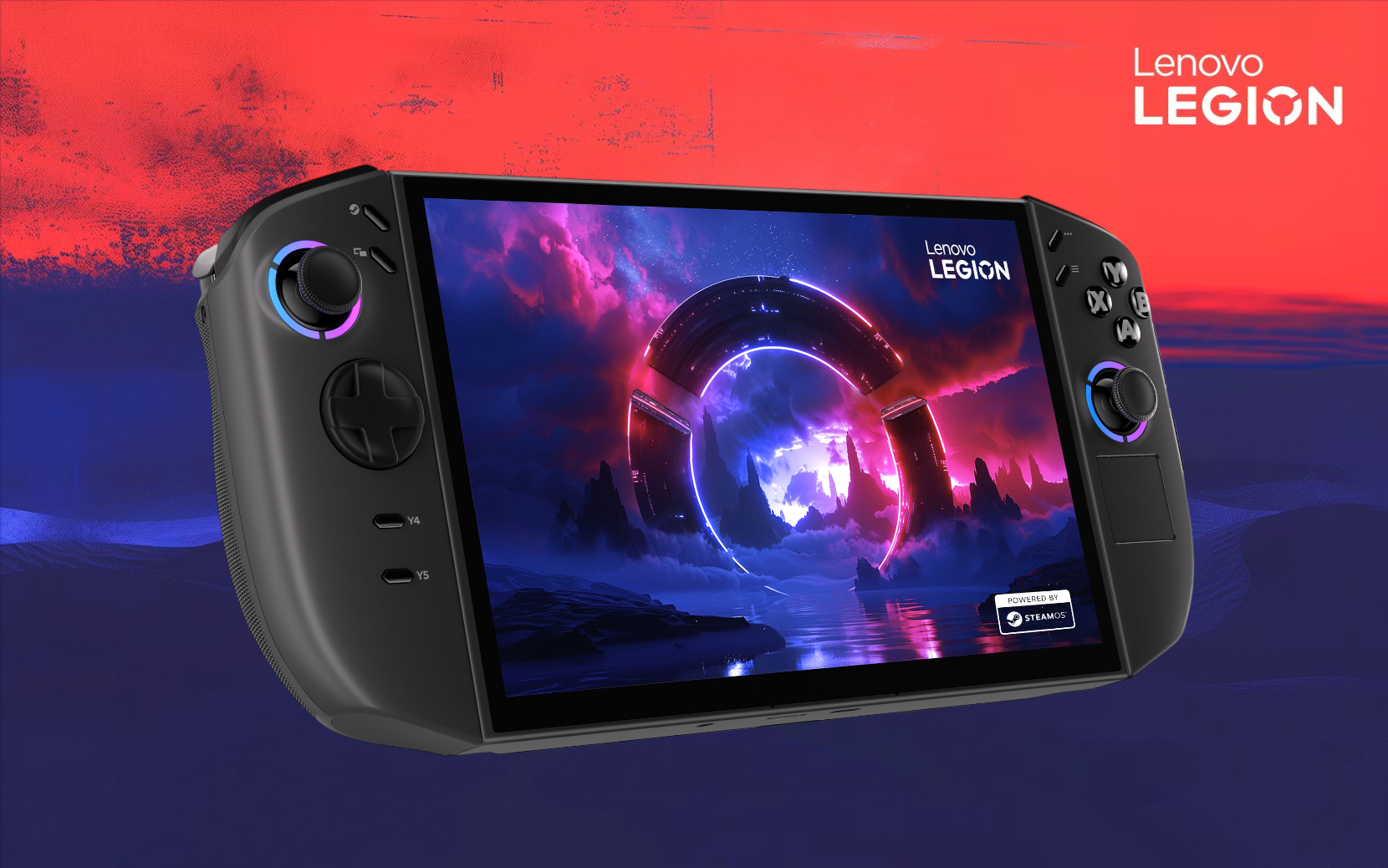
Lenovo’s Legion Go is known as one of the fastest Windows gaming handhelds you can buy, but new information suggests its dedicated driver support may have hit an unexpected pause. According to a statement shared by Lenovo Korea, there are currently no additional driver update plans for the Legion Go, leaving owners to lean on Windows Update, Lenovo Vantage, and potentially AMD’s generic graphics drivers to stay up to date.
That’s a surprising move for a handheld that debuted in late 2023. Many buyers expect regular driver releases for performance tuning, bug fixes, and game-specific optimizations—especially for a premium gaming PC in handheld form. Lenovo has not provided a specific reason for stopping Legion Go driver updates, and the statement also doesn’t clearly confirm whether official driver updates might return later.
Lenovo Korea’s message focuses on what users should do next. First, it emphasizes that the Legion Go and Legion Go S are built with different hardware designs optimized for each model. Because of that, their BIOS and driver packages are not interchangeable, and users shouldn’t attempt to use Legion Go S drivers on the Legion Go (or vice versa).
From there, Lenovo’s recommended update path is straightforward:
1) Install all essential updates through Windows Update and Lenovo Vantage, which are presented as the primary official channels for keeping the system current.
2) If you need a newer graphics driver, try AMD’s latest universal graphics driver from AMD’s official website.
3) If AMD’s generic driver doesn’t work properly—Lenovo specifically references potential compatibility limitations tied to the Z1 chipset—then users should stick with whatever graphics driver is delivered via Windows Update and Lenovo Vantage.
Lenovo also acknowledged that this isn’t the answer many owners want to hear, apologizing for not being able to provide a “more satisfactory response.” Unsurprisingly, that’s fueled frustration among Legion Go users, since the handheld hasn’t even reached the three-year mark and is still very much part of the current-generation PC handheld conversation.
What makes this decision feel even more unusual is that the Legion Go’s hardware is still highly relevant. The device uses AMD’s Zen 4-based Z1 Extreme APU, and while Lenovo has expanded the lineup with the Legion Go S, the original Legion Go remains a powerful option. Even so, it’s now the model being singled out for a halt in dedicated driver updates, while newer models typically continue receiving ongoing support.
It’s also important to clarify what this means in practice. A pause in official Lenovo driver updates doesn’t “brick” the Legion Go or stop it from functioning. Owners can still play games and use the system like any other Windows handheld. The bigger concern is the long-term experience: fewer device-specific optimizations, potentially slower fixes for known issues, and less tuning for new game releases—unless Microsoft, AMD’s generic drivers, or Lenovo’s utility updates happen to address them indirectly.
The situation stands out even more because other handheld gaming PCs built around similar AMD Z1-series platforms continue to see regular driver improvements and refinements. For Legion Go owners, the hope now is either that Lenovo resumes official driver support later or that Windows, Lenovo Vantage, and AMD’s universal drivers provide enough coverage to keep performance and compatibility where users expect it to be.