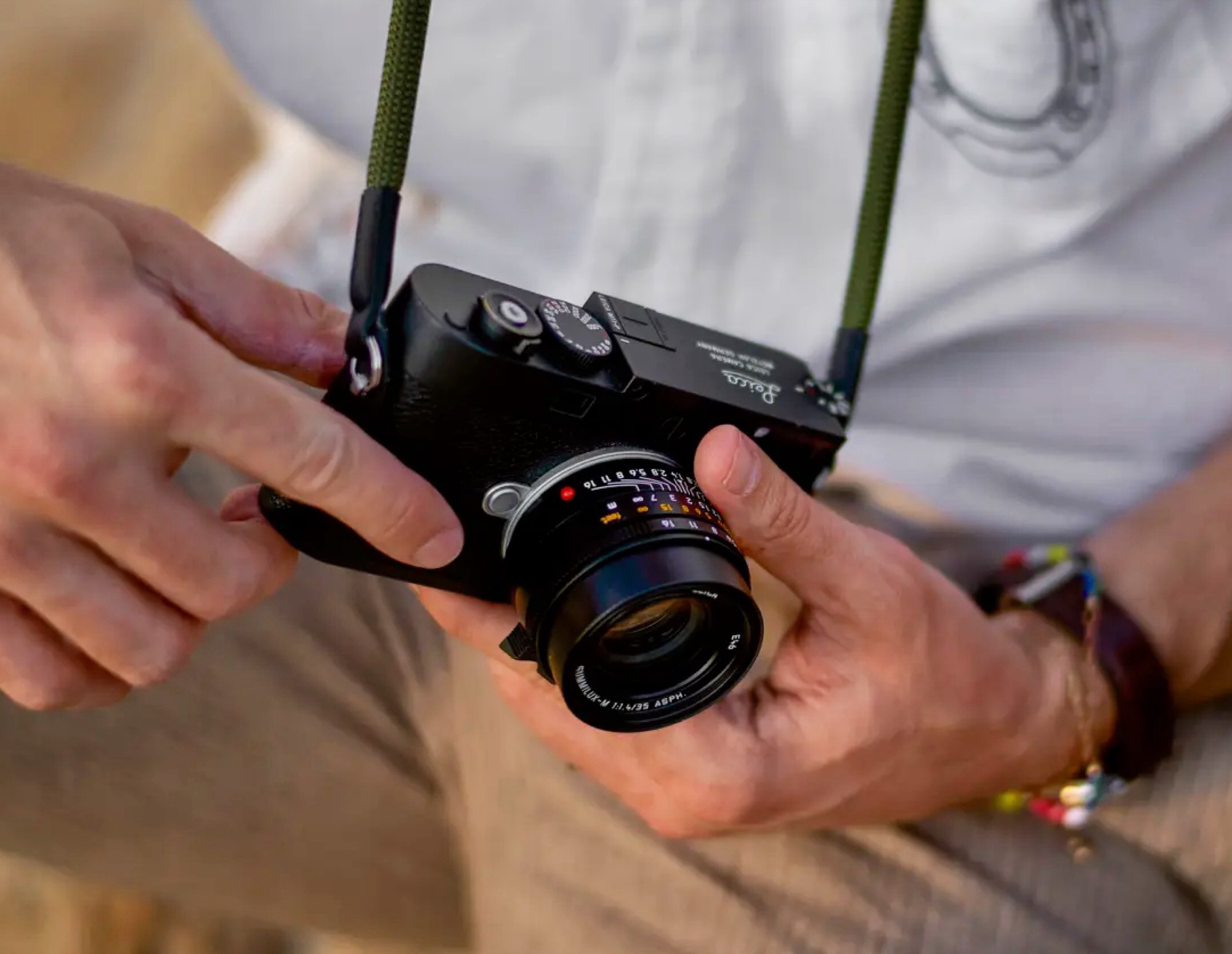
Leica M12 could launch soon with a bigger display, familiar 60MP sensor, and no IBIS
The Leica M12 may be closer than many photographers expected. According to recent industry chatter, Leica’s next full-frame M-series rangefinder camera could be officially announced as early as December, with an early next-year launch also possible. The camera is reportedly already in production, suggesting the reveal may not be far away.
The Leica M12 is expected to succeed the Leica M11-P, bringing a refined shooting experience rather than a complete reinvention. For fans of the classic Leica M design, the overall look is said to remain largely familiar. However, one of the most noticeable changes could be found on the back of the camera.
Reports suggest Leica will equip the M12 with a larger touchscreen display. The company may also move the three physical menu buttons from the left side of the screen to the right, a change that could make the camera easier to operate for many users. Alongside the new button layout, Leica is expected to redesign the user interface to better suit the updated rear controls and larger display.
One classic feature that is not expected to return is the removable bottom plate seen on older Leica M cameras. Leica has already moved away from that design in recent generations, and the M12 is likely to continue with a more modern body layout.
While the Leica M12 may bring ergonomic and usability upgrades, photographers hoping for a brand-new sensor could be disappointed. The camera is rumored to use the same 60-megapixel full-frame CMOS sensor found in the Leica M11-P. That sensor is already highly capable, delivering excellent resolution and strong image quality, but it means the M12 may not represent a dramatic leap forward in raw imaging hardware.
The processor may also remain unchanged. If accurate, the Leica M12 would continue using the Maestro III image processor rather than moving to Leica’s newer Maestro IV platform. This would be surprising to some, especially since other recent Leica cameras already use newer processing technology.
Without a new sensor or processor, the Leica M12 may not deliver major improvements in shooting speed or overall performance. However, Leica is reportedly working on enhanced image processing, which could help the camera produce better dynamic range and more refined color rendering. For many Leica users, color science and tonal character are just as important as spec-sheet upgrades, so these improvements could still make the M12 appealing.
Another possible addition is support for Leica Looks. These built-in creative profiles allow photographers to apply distinctive visual styles directly in-camera, helping users achieve a specific mood or color signature without relying heavily on post-processing.
One major feature the Leica M12 is not expected to include is in-body image stabilization. IBIS has become common in many modern full-frame cameras, but Leica’s M rangefinder line has traditionally prioritized compact mechanical simplicity and the classic manual shooting experience. If the rumor is accurate, the M12 will continue that philosophy.
Overall, the Leica M12 appears to be shaping up as a careful evolution of the M11-P rather than a revolutionary new model. A larger touchscreen, revised controls, updated interface, improved color processing, and possible Leica Looks support could make the camera more enjoyable to use. Still, the rumored lack of a new sensor, new processor, and IBIS may leave some photographers wishing for a more ambitious upgrade.
For Leica M fans, the M12 could still be one of the most anticipated full-frame rangefinder cameras of the year. Its appeal will likely depend on how much value photographers place on handling refinements, Leica’s signature image character, and the timeless shooting experience that defines the M system.