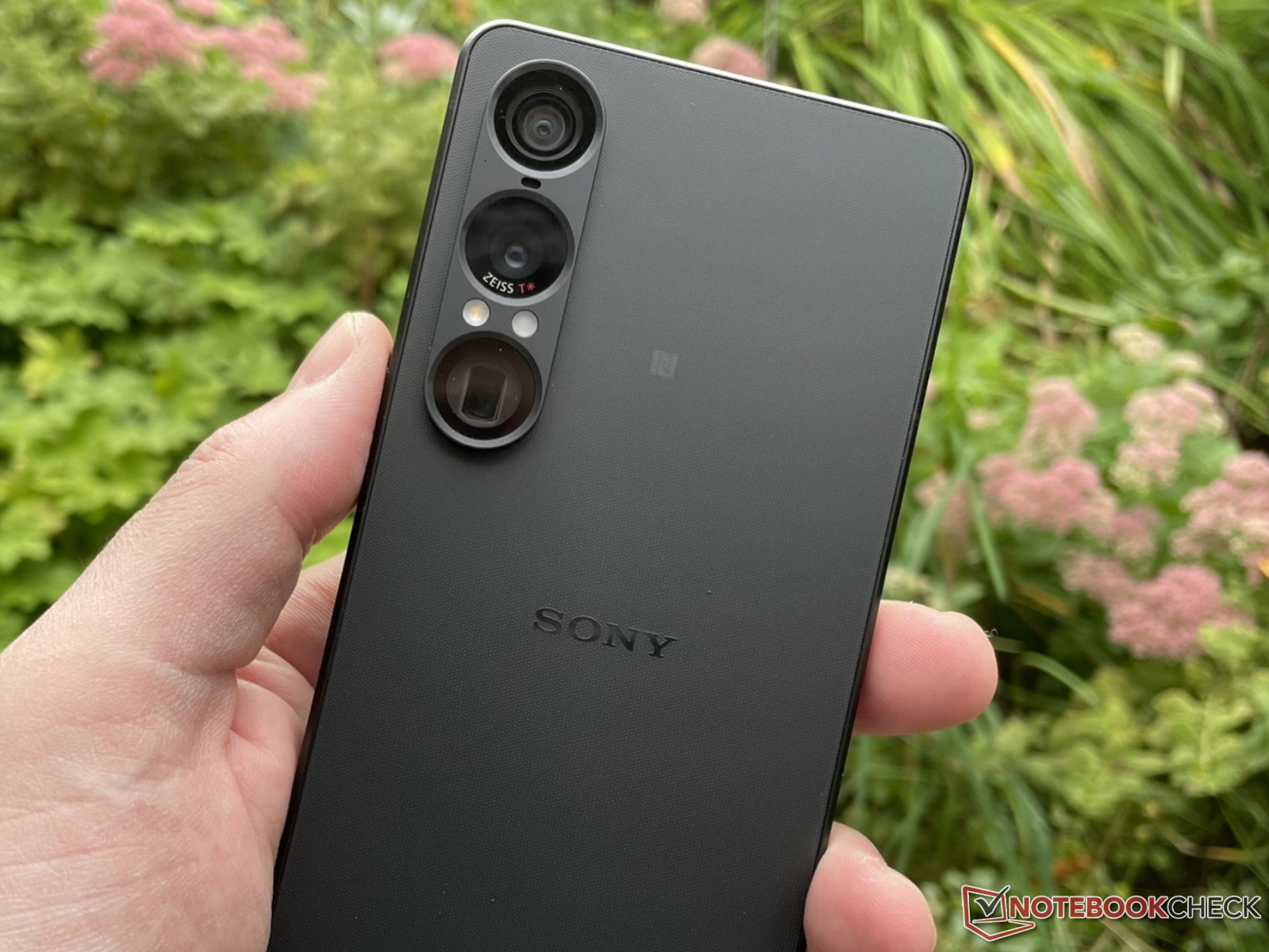
Sony’s next premium smartphone looks like it’s nearly ready to step into the spotlight. A device widely believed to be the Sony Xperia 1 VIII has appeared in multiple Geekbench listings, giving an early look at the kind of performance and hardware Sony may bring to its upcoming flagship.
Even though Sony hasn’t officially confirmed a new Xperia 1 model yet, the benchmark entries are drawing attention because they reference a specific model number: XQ-GE54. That model number has previously been associated with the Xperia 1 VIII, and earlier leaks suggest XQ-GE54 is the European variant. While benchmark databases don’t always spell out the retail name, repeated listings for the same model number often point to a real device moving through late-stage testing.
The most notable detail is the chipset. According to the benchmark information, the Xperia 1 VIII is powered by Qualcomm’s Snapdragon 8 Elite Gen 5, paired with an Adreno 840 GPU. The CPU configuration listed includes six Oryon Gen 3 performance cores plus two Oryon Gen 3 prime cores, with the prime cores clocked as high as 4.61 GHz. For anyone tracking the latest Android flagship processors, that combination signals Sony is aiming for top-tier performance and a competitive platform for gaming, imaging, and heavy multitasking.
However, there’s one area where Sony appears to be sticking to a more conservative approach: memory. The Geekbench listings suggest the Xperia 1 VIII comes with 12 GB of RAM. That’s still plenty for day-to-day speed and smooth app switching, but it stands out because many rival flagship phones now offer 16 GB of RAM or more, especially in higher-end configurations. If Sony limits the Xperia 1 VIII to 12 GB across the lineup, it could be seen as a cost-control move or simply a decision based on Sony’s software tuning priorities.
As for benchmark performance, the results shown so far are a bit lower than some people might expect from this class of processor. The Xperia 1 VIII averages around 2,325 in Geekbench 6 single-core and about 9,217 in multi-core. That doesn’t necessarily mean the final retail phone will perform the same way. Early benchmark runs can be influenced by pre-release software, thermal limits that haven’t been fully optimized, and test units that don’t reflect the final production hardware. In other words, it’s best to treat these numbers as an early signal rather than a final verdict.
For now, the takeaway is straightforward: the Sony Xperia 1 VIII appears to be real, it may be heading toward launch sooner rather than later, and it’s shaping up to use Qualcomm’s latest flagship silicon—while potentially keeping RAM at 12 GB. If more listings and leaks follow, we should get a clearer picture of the phone’s final performance, configuration options, and how Sony plans to position it against other 2026 flagship smartphones.