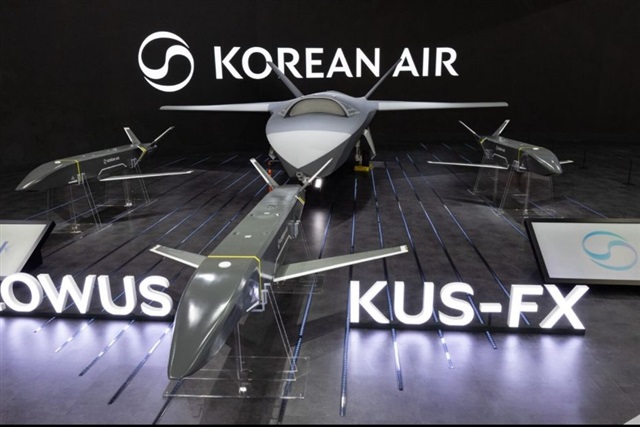
Korean Air has pulled back the curtain on a trio of homegrown unmanned aerial vehicles, marking a pivotal step in its transformation from a traditional airline into a full-spectrum aerospace player. The company’s first public reveal of self-developed drones underscores a strategy that spans artificial intelligence, manned and unmanned platforms, and end-to-end maintenance and support.
This debut isn’t just about showcasing new hardware. It signals a long-term commitment to indigenous technology and a tighter integration of software, mission systems, and lifecycle services. By developing UAVs in-house, Korean Air positions itself to control critical components, advance autonomy, and deliver solutions tailored to both defense and strategic industrial needs.
While detailed specifications were not disclosed, the three-drone lineup suggests a diversified approach to mission profiles. Platforms in this category typically cover roles such as intelligence, surveillance, and reconnaissance; logistics and resupply; and tactical support for complex operations. With AI at the core, these systems are expected to emphasize smarter navigation, improved target recognition, and more reliable decision-making at the edge—key attributes for modern aerial operations.
A major theme of the announcement is the convergence of manned and unmanned systems. Manned-unmanned teaming enables drones to extend the reach and situational awareness of crewed aircraft, act as force multipliers, and reduce risk in contested environments. Seamless data links, interoperable mission suites, and coordinated autonomy are becoming defining features of next-generation fleets, and Korean Air’s move aligns with that trajectory.
Equally important is the emphasis on maintenance and sustainment. Owning the maintenance, repair, and overhaul capability from day one allows for faster upgrades, tighter quality control, and more predictable costs over the life of the platform. This approach is particularly attractive to customers looking to field systems quickly and keep them mission-ready with minimal downtime.
For South Korea’s defense and aerospace ecosystem, the unveiling represents momentum on several fronts:
– Strengthened self-reliance through domestically developed UAV technology
– Potential acceleration of AI-driven mission systems and autonomy
– Enhanced supply chain resilience and local high-tech job creation
– A clearer path to export-ready platforms supported by integrated services
What comes next will likely focus on rigorous flight testing, operational evaluations, and incremental software enhancements to mature autonomy and safety features. Watch for demonstrations of manned-unmanned teaming, iterative AI improvements, and potential collaborations that expand mission versatility. If the program advances as expected, broader deployment and international showcases could follow.
Key takeaways for readers and industry watchers:
– Korean Air has introduced three self-developed drones, a first for the company and a notable signal of its aerospace ambitions.
– The strategy spans AI integration, manned-unmanned teaming, and robust maintenance support from the outset.
– The move aligns with global trends toward autonomous systems that are smarter, more interoperable, and easier to sustain.
– The development supports national defense priorities while opening doors to future export and partnership opportunities.
In short, this reveal is more than a product launch—it’s a statement of intent. By blending indigenous design, AI-driven capabilities, and long-term support, Korean Air is positioning itself at the forefront of next-generation unmanned aviation and the broader aerospace landscape.