Overclocker KINGPIN explains why EVGA’s RTX 3090 Ti KINGPIN production ran into trouble
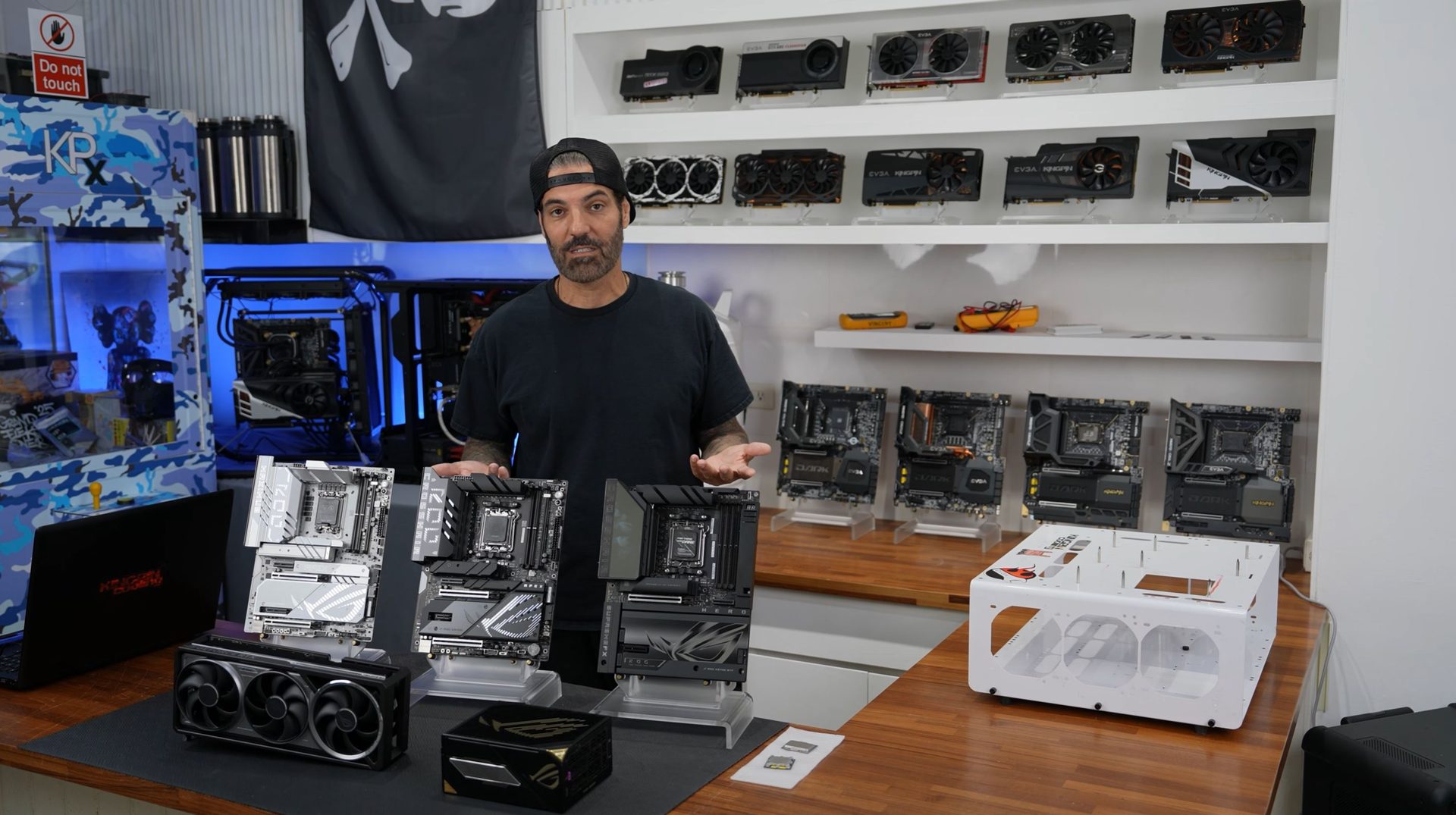
Vince “KINGPIN” Lucido, one of the most recognized names in extreme overclocking, has shared new details about the production problems behind EVGA’s RTX 3090 Ti KINGPIN Hybrid graphics card. In his first video on his new Overclock Kingpin YouTube channel, Lucido talked about his past work at EVGA, showed hardware sent by ASUS for testing, and revealed why one of EVGA’s most ambitious GPUs faced delays before launch.
According to Lucido, the issue centered on the power connector design of the RTX 3090 Ti KINGPIN. He wanted the card to use dual 12VHPWR power connectors, giving enthusiasts and extreme overclockers more flexibility when pushing the GPU beyond standard limits. NVIDIA, however, reportedly wanted the card limited to a single 12VHPWR connector.
Lucido said that decision disrupted the production schedule and affected the final potential of the card. In his view, a flagship graphics card aimed at hardcore enthusiasts should not be restricted in a way that limits what users can do with it, especially when the product is priced at the very high end of the market.
He explained that the connector dispute “screwed the production timeline up” and left the card “severely limited.” Lucido also suggested that buyers spending thousands of dollars on a premium overclocking-focused GPU should have the freedom to use the hardware as they see fit.
The EVGA RTX 3090 Ti KINGPIN Hybrid eventually launched months after the standard RTX 3090 Ti arrived. While NVIDIA’s GeForce RTX 3090 Ti debuted with a starting price of $1,999, the KINGPIN Hybrid edition came in at around $2,500 and was bundled with a 1600W power supply. The card was built for serious enthusiasts, featuring a hybrid cooling solution and a design intended for heavy tuning and extreme performance testing.
The production delay and limited output made the RTX 3090 Ti KINGPIN Hybrid one of EVGA’s final and most memorable high-end NVIDIA graphics cards. EVGA later exited the GPU market, ending a long-running partnership with NVIDIA that had produced many popular custom graphics cards over the years.
The split between EVGA and NVIDIA became one of the biggest stories in the PC hardware community. EVGA had been one of NVIDIA’s best-known board partners, but pressure around pricing, competition from Founders Edition models, and shrinking margins reportedly made the GPU business difficult to sustain. Budget models were especially challenging, with EVGA said to have faced situations where selling certain cards meant taking a loss.
Lucido’s latest comments add more context to the challenges EVGA faced during its final generation of graphics cards. The RTX 3090 Ti KINGPIN was meant to be a no-compromise halo product, but behind the scenes, design restrictions and production setbacks appear to have prevented it from fully matching the original vision.
Now, KINGPIN appears to be moving into a new chapter. In his video, he confirmed that he is working with ASUS and showed off ASUS hardware intended for testing and DIY content. He also expressed interest in the possibility of a future ROG KINGPIN graphics card, which would be a major development for overclocking fans if it ever becomes reality.
For PC enthusiasts, the idea of a new KINGPIN-branded card under the ASUS ROG lineup is exciting. KINGPIN cards have long been associated with elite GPU engineering, extreme overclocking, and record-setting performance. If Lucido and ASUS eventually bring such a product to market, it could become one of the most anticipated enthusiast graphics cards of its generation.
For now, his comments offer a rare behind-the-scenes look at the development struggles of EVGA’s last flagship NVIDIA GPU. The RTX 3090 Ti KINGPIN Hybrid remains a significant card in enthusiast GPU history, not only for its performance and rarity, but also because it marked the end of an era for EVGA in the graphics card market.