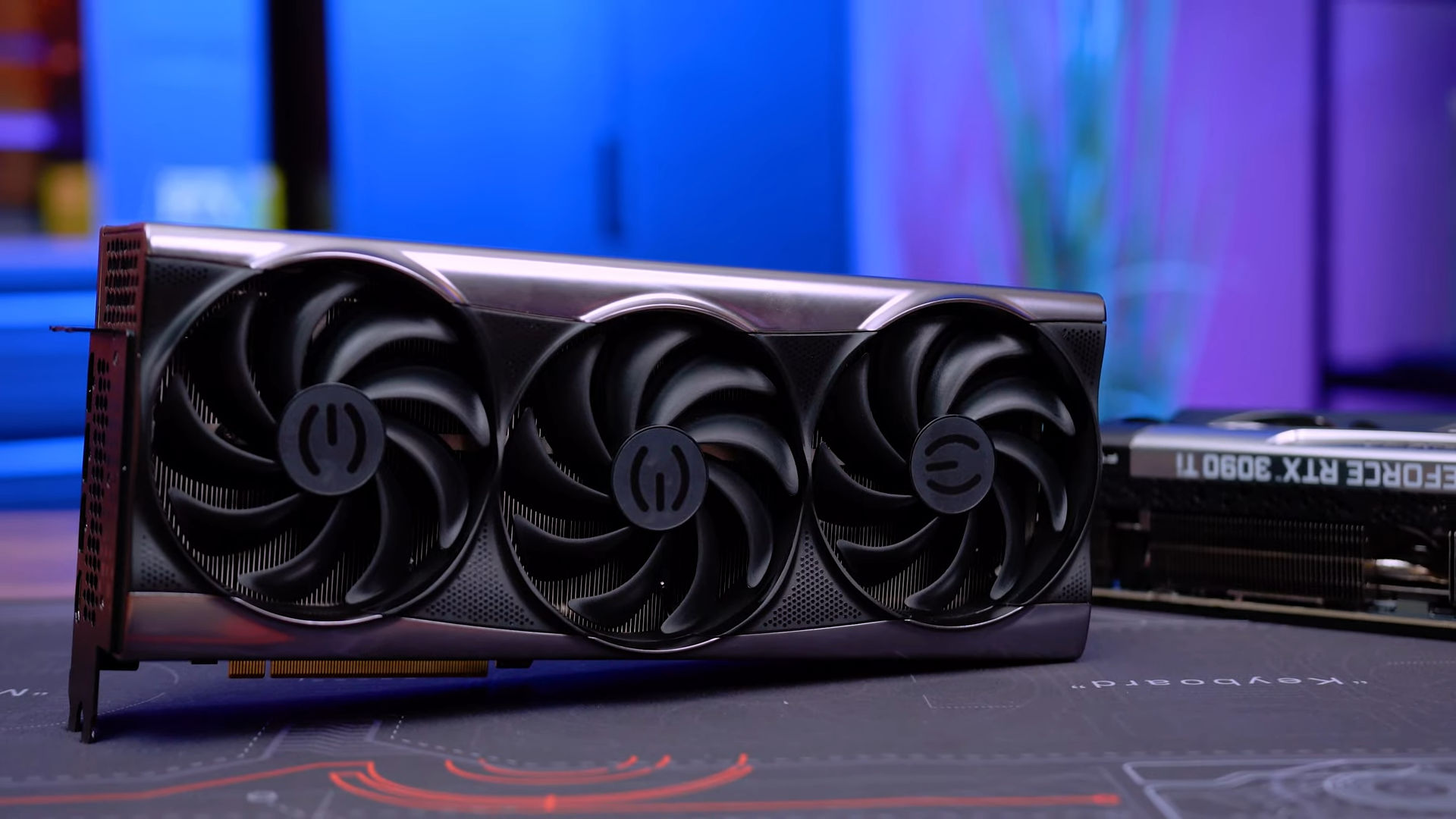
Former EVGA Employee Reveals Why He Left Before the Company Quit the GPU Market
A former EVGA employee has shared new insight into why he walked away from the company years before EVGA made its surprising exit from the graphics card business. His story offers a closer look at the pressure EVGA was facing behind the scenes, especially as its relationship with NVIDIA became more challenging.
Brendon Ray Hedrick, who worked at EVGA from 2016 to 2019, recently detailed his experience at the company and explained why he decided to leave despite genuinely loving his job. During his time there, Hedrick moved through several roles, starting on the technical side before becoming a supervisor and later working in product marketing, video production, and sales.
According to Hedrick, the GTX 10 series era was one of the most exciting and rewarding periods of his career. EVGA was widely known for its NVIDIA-based graphics cards, and the Pascal generation helped strengthen the company’s reputation among PC gamers, enthusiasts, and custom PC builders.
However, the situation reportedly became more difficult as NVIDIA’s approach to the GPU market changed. One of the biggest concerns was NVIDIA’s Founders Edition graphics cards. Instead of simply supplying GPUs to board partners, NVIDIA was also selling its own branded cards directly to consumers. This meant companies like EVGA were no longer just competing with other graphics card makers; they were also competing with NVIDIA itself.
Hedrick explained that this created serious challenges for EVGA. Custom graphics cards often required extra engineering, cooling solutions, support, marketing, and warranty coverage. But with NVIDIA’s own reference designs becoming better and more competitive, it became harder for EVGA to charge premium prices for its custom models.
The RTX 20 series reportedly made the situation even more difficult. Hedrick claimed that EVGA sometimes had to sell lower-priced cards with very thin margins, while relying on more expensive models to make meaningful profit. As NVIDIA’s control over pricing and product positioning grew, EVGA’s ability to maintain a strong and profitable GPU business became increasingly limited.
The cryptocurrency mining boom added another layer of pressure. Demand for graphics cards surged, supply became unpredictable, and inventory planning became much more complicated. While the mining era brought massive demand across the GPU industry, it also created instability for companies trying to balance gamer demand, production costs, and long-term business planning.
Hedrick also said a major round of layoffs affected his role at EVGA. Much of the video production work he enjoyed was reduced, which contributed to his decision to leave. By December 2019, he felt the future he was helping build no longer seemed sustainable.
“I was 26 years old when I left EVGA. I could no longer believe in the future I was being asked to help build,” Hedrick said.
EVGA officially exited the GPU market in 2022, even though graphics cards reportedly made up around 80% of the company’s revenue. Despite that massive share of sales, GPUs were not necessarily the most profitable part of EVGA’s business. Other product categories, such as power supplies, offered better margins and fewer complications.
Hedrick does not appear to suggest that he predicted EVGA’s exact decision to leave the GPU market. However, his account shows that concerns about shrinking profit margins, NVIDIA’s increasing influence, and the long-term future of EVGA’s graphics card business were already visible years before the company made its final move.
EVGA’s departure remains one of the most notable moments in the PC hardware industry. For years, the brand was closely tied to NVIDIA GPUs and had a loyal following among gamers, overclockers, and PC enthusiasts. Hedrick’s perspective helps explain why a company so strongly associated with graphics cards ultimately chose to step away from the market entirely.


