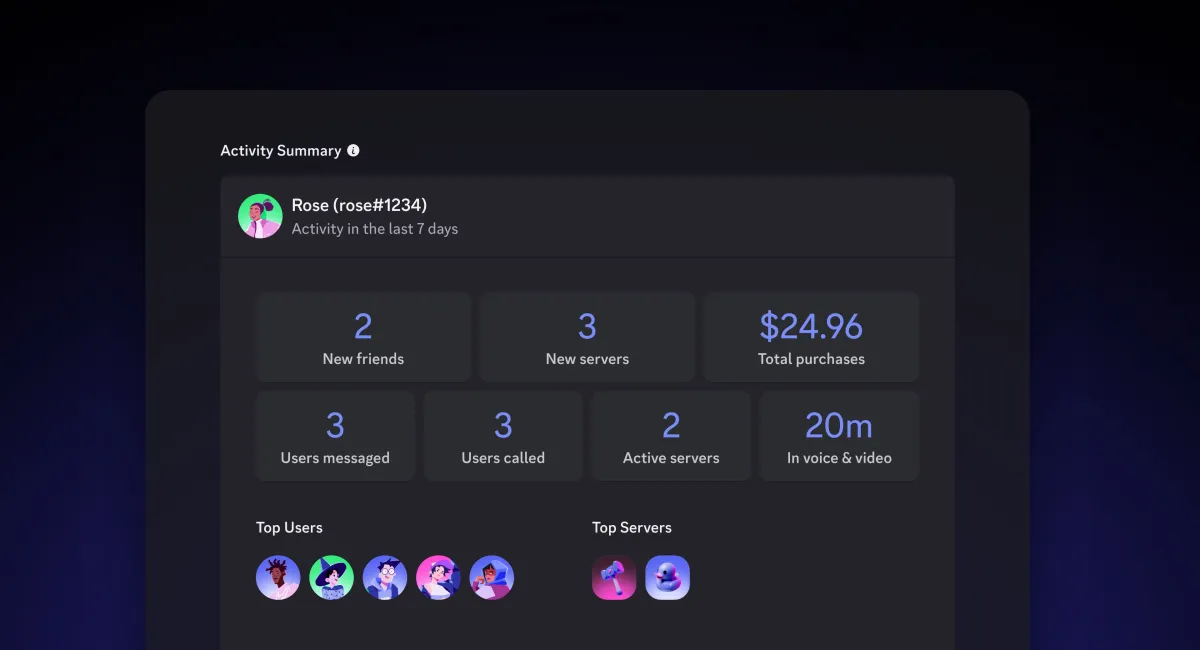
Discord is stepping up its teen safety tools with a major update to Family Center, giving parents and guardians clearer insights and more control over how their teens use the platform. The refreshed experience aims to balance oversight and privacy, helping families spot excessive screen time or spending without intruding on private conversations.
Originally launched in 2023, Family Center began as an activity dashboard and weekly email summary that showed which servers a teen had joined. Now, it’s expanding beyond basic activity logs to include detailed usage and safety controls designed for real-world parenting.
What’s new in Family Center:
– Purchase overview: See total purchases made in the past week, including items from the Discord Shop and Nitro subscriptions.
– Time spent tracking: View the total time your teen spent in voice and video calls across DMs, group chats, and servers over the last seven days.
– Top interactions: Get a snapshot of the top five users and servers your teen has interacted with during the week, aligning with broader industry moves to manage who can contact teens.
New parental controls are also available and can only be changed by guardians. You can decide who is allowed to DM your teen, turn on filters for sensitive content, and manage data privacy settings. That includes controlling whether Discord uses a teen’s data for things like personalized ads.
To encourage open communication, Discord now lets teens notify their guardians when they report content. The platform will not disclose the specific content reported, prompting teens to talk directly with their parents or guardians if they choose.
Discord’s approach mirrors a wider push across social media and AI platforms to improve teen safety. In recent months, companies such as Meta, YouTube, OpenAI, and Character.AI have introduced new safeguards and refined existing features to better protect younger users.
For families, these updates make it easier to understand how teens spend time on Discord, manage who can reach them, and set boundaries that support healthier online habits—without sacrificing trust or privacy.