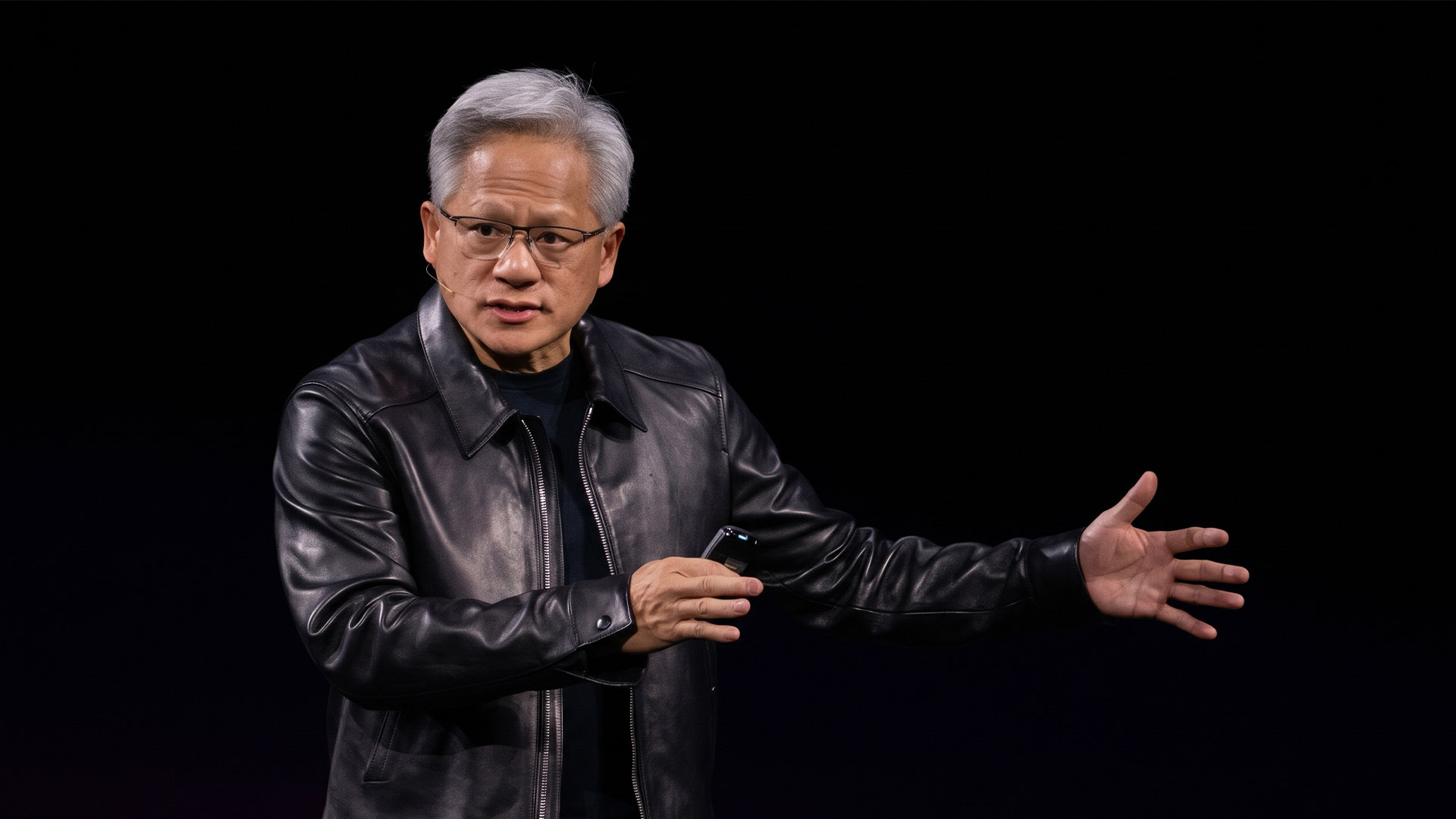
NVIDIA Shareholders Push Board to Keep Jensen Huang’s Possible CEO Return in Play
NVIDIA’s leadership transition may not be as straightforward as it first appeared. Although interim CEO Colette Kress has stepped in to guide the company, some major shareholders reportedly want the board to avoid rushing into a permanent decision, especially if there is still a possibility that founder Jensen Huang could return.
According to a recent CNBC report, Altimeter Capital CEO Brad Gerstner and Atreides Management’s Gavin Baker sent a joint letter to NVIDIA’s board urging directors to take a careful and deliberate approach to the company’s future leadership. Altimeter Capital reportedly owns around 9.4 million NVIDIA shares valued at nearly $1.9 billion, while Atreides Management holds about 1.2 million shares worth roughly $250 million.
The message from these investors is clear: NVIDIA should not close the door on Huang too quickly. While they acknowledged that Kress is capable of leading the company during this interim period, they argued that the board owes shareholders a slow, measured review before making any final decision about the next permanent NVIDIA CEO.
The investor pressure comes as public support for Huang appears to be growing online. A “Stand with Jensen” petition has reportedly gained more than 100,000 signatures, including thousands from current NVIDIA employees. High-profile figures, including Elon Musk, have also been mentioned among those backing the idea of keeping Huang’s return as a possibility.
The debate over NVIDIA’s leadership is about more than one executive position. Huang has long been associated with NVIDIA’s aggressive push into artificial intelligence, GPU computing, and open-source AI development. Before stepping away, he had positioned NVIDIA as a major force behind open-weight AI models, with the company releasing hundreds of open models and datasets for developers.
That strategy matters because open-source and open-weight AI can reduce dependence on paid subscription services from major proprietary AI providers. If users have powerful enough hardware, they can run advanced AI models locally or within their own infrastructure, giving businesses and consumers more control while potentially reducing recurring costs.
This is where the situation becomes especially important for the broader AI industry. Some reports and online speculation have suggested that certain closed-source AI companies may not be enthusiastic about NVIDIA’s open-weight direction, as it could weaken their long-term revenue models. However, these claims remain unproven, and any suggestion of behind-the-scenes pressure should be treated as allegation rather than established fact.
Huang has also publicly disagreed with calls to restrict GPU sales to China. In one interview, he pushed back against the idea that others could decide which markets NVIDIA should abandon, saying, “our market is not his to cede.” That position placed him at odds with some voices in the AI industry who have supported tighter controls on advanced chip exports.
For NVIDIA, the stakes are enormous. The company sits at the center of the global AI boom, with its GPUs powering data centers, machine learning systems, generative AI platforms, autonomous technology, and scientific computing. Any change in leadership could influence not only NVIDIA’s stock performance, but also the future direction of AI hardware, open-source AI models, and global chip policy.
If NVIDIA’s board listens to these major shareholders, it may choose to keep all options open while internal reviews continue. That could mean giving Colette Kress time to stabilize the company while also leaving room for Jensen Huang to potentially return if circumstances allow.
For now, NVIDIA’s future leadership remains uncertain. What is clear, however, is that shareholders, employees, developers, and the wider AI industry are watching closely. The decision could shape not only the next chapter of NVIDIA, but also the balance of power between open-source AI and closed, subscription-based AI platforms.