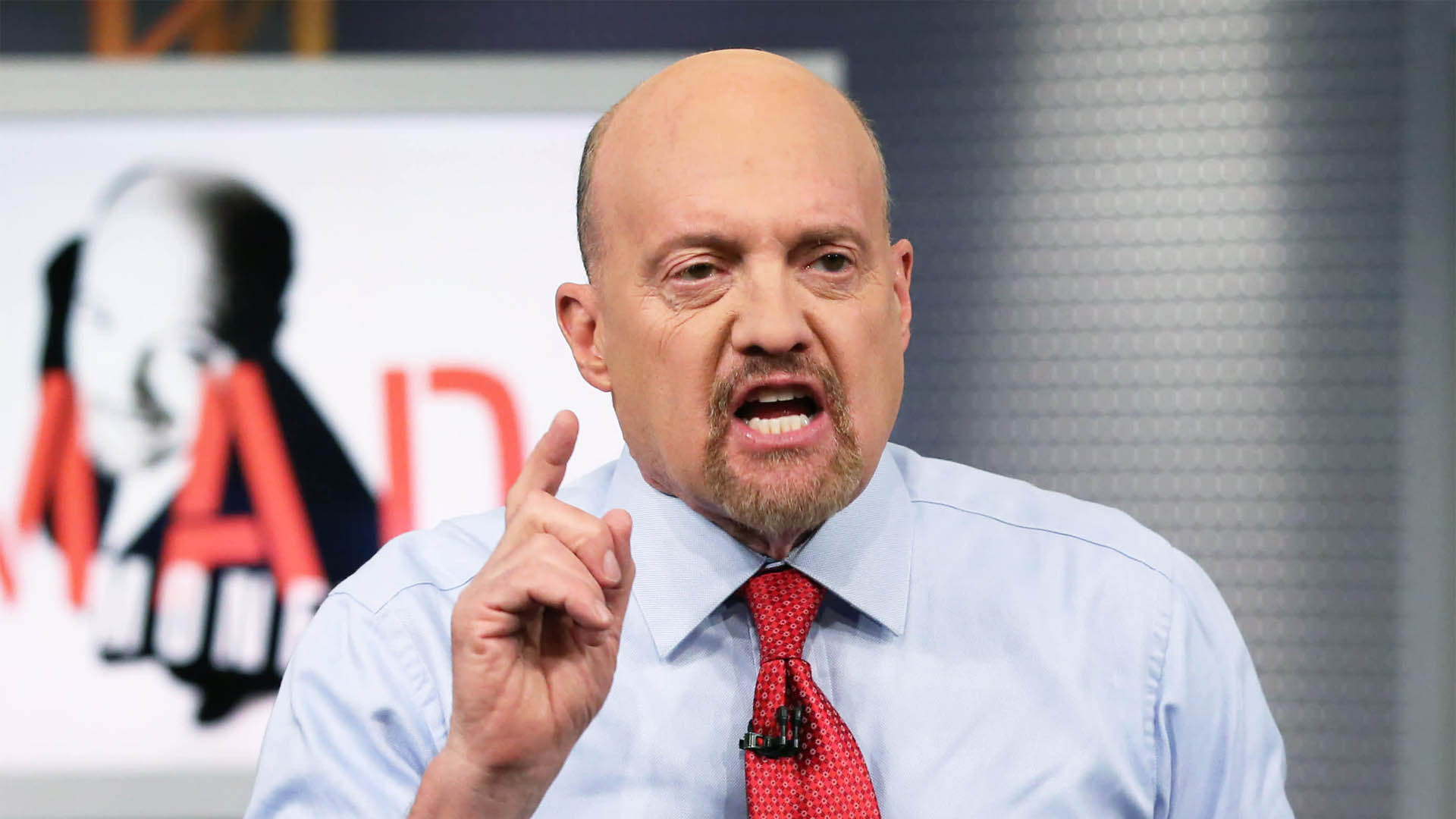
Jim Cramer Says NVIDIA Is Stable Under Colette Kress After Jensen Huang’s Exit
NVIDIA’s sudden leadership shakeup has sparked intense debate across Wall Street, Silicon Valley, and the broader tech industry. While Elon Musk and several semiconductor analysts have warned that the company’s supply chain and market position could face serious pressure without Jensen Huang leading the business, CNBC host Jim Cramer believes investors are overreacting.
Speaking during an appearance on Erin Burnett OutFront, Cramer pushed back against fears that NVIDIA is entering a crisis after Huang’s abrupt resignation. Instead, he argued that interim CEO Colette Kress may be exactly the kind of leader the company needs at this moment.
According to Cramer, NVIDIA’s core business remains strong, and the company’s success should not be viewed as dependent on one person, even if that person is the co-founder who helped turn NVIDIA into one of the most important companies in artificial intelligence, gaming GPUs, data centers, and advanced computing.
“There’s no real crisis. The company’s doing well,” Cramer said, suggesting that the panic surrounding NVIDIA’s future may be exaggerated.
Cramer went even further by saying he has more confidence in Colette Kress than he had in Jensen Huang. His reasoning centers on Kress’s deep understanding of NVIDIA’s financial structure, internal operations, and day-to-day execution.
“She knew the company, the actual nuts and bolts of the company better than Jensen,” Cramer said. “And I have more confidence in Colette than I had in Jensen.”
That statement quickly drew attention because Huang is widely viewed as the visionary who transformed NVIDIA from a graphics chip company into the dominant force behind the AI hardware boom. Under his leadership, NVIDIA became central to the artificial intelligence revolution, with its GPUs powering data centers, machine learning platforms, and high-performance computing systems around the world.
Still, Cramer argued that reducing NVIDIA’s success to Huang alone ignores the scale and talent of the organization. He said the company’s 49,000 employees deserve more credit for its growth and execution.
“There are 49,000 people at this company. And there’s one guy with a leather jacket,” Cramer said. “That’s an insult to the other 49,000 people that the leather jacket guy is gone, and therefore they’re nothing.”
His comments quickly spread across social media, where many users mocked the idea that Kress could outperform the founder who built NVIDIA into an AI chip powerhouse. Critics argued that Huang’s leadership, customer relationships, and bold strategic bets were essential to NVIDIA’s rise, especially during the company’s expansion into artificial intelligence and data center computing.
However, Cramer maintained that Kress brings operational discipline at a critical time. As NVIDIA’s board begins the search for a permanent chief executive, he suggested that stability, financial control, and execution may matter more than personality-driven leadership.
Inside NVIDIA, the reaction appears far more emotional. Reports indicate that employees have been demanding more transparency about Huang’s resignation through internal channels, including suggestion threads and companywide communications. Many workers reportedly believe Huang’s presence was central to NVIDIA’s culture, strategy, and long-term direction.
Elon Musk has also publicly shown support for Huang, backing calls for him to return to the top role. Musk’s stance reflects a broader concern among some investors and industry watchers that NVIDIA’s dominance in AI chips depends heavily on Huang’s vision and relationships across the technology sector.
The debate now centers on one major question: Is NVIDIA’s strength built on Jensen Huang’s leadership, or has the company grown into an institution powerful enough to thrive without him?
For now, Cramer’s answer is clear. He believes NVIDIA remains fundamentally strong, that Colette Kress understands the business at a deep operational level, and that the market should not assume the company’s future is at risk simply because its most recognizable leader is no longer in charge.