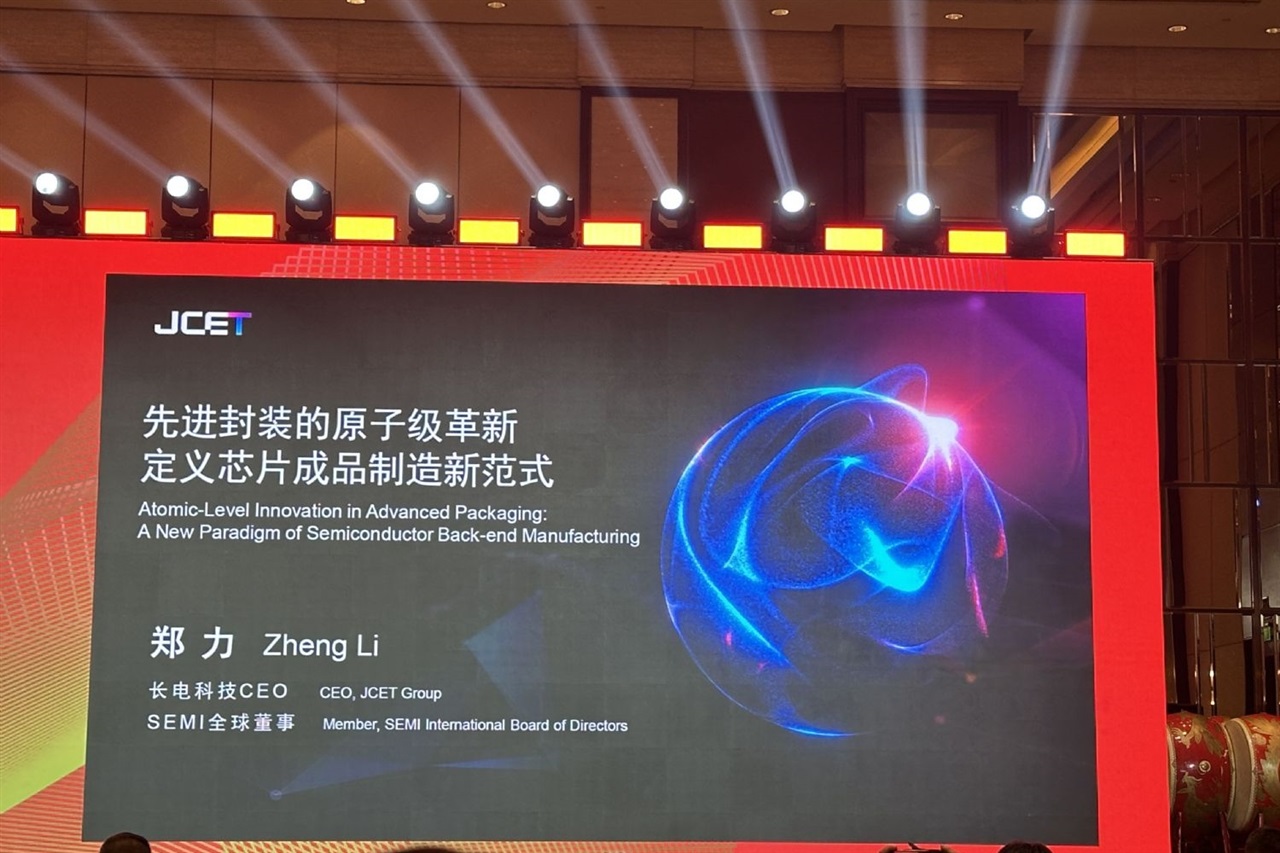
JCET Group is preparing for a major expansion as the global race for artificial intelligence hardware puts growing pressure on advanced semiconductor packaging capacity.
The China-based chip testing and assembly company is raising its 2026 capital expenditure to CNY 10 billion, signaling a stronger push into high-demand back-end semiconductor processes. The move comes as AI accelerators, high-performance computing chips, and automotive semiconductors increasingly depend on sophisticated packaging technologies to deliver better speed, power efficiency, and reliability.
As artificial intelligence workloads become more complex, chipmakers are no longer relying only on smaller manufacturing nodes to improve performance. Advanced packaging has become a critical part of the semiconductor supply chain, allowing multiple chip components to be integrated more efficiently. This is especially important for AI chips, which need fast data transfer, improved thermal management, and high bandwidth memory integration.
JCET’s increased investment suggests the company sees a long-term opportunity in this area. By expanding its capacity and upgrading its technology, the firm aims to capture more demand from customers developing AI processors, automotive electronics, and other high-performance chips.
The spending boost could also have an impact beyond China. Advanced packaging capacity has become a strategic bottleneck for the global chip industry, with demand rising faster than supply in several key areas. If JCET can scale production successfully, it may become a more important player in easing pressure across international semiconductor supply chains.
The automotive sector is another major growth driver. Modern vehicles are using more chips than ever, from electric powertrain systems and battery management to driver assistance technology and in-car computing. These chips often require durable and efficient packaging solutions that can operate reliably under demanding conditions. JCET’s focus on back-end processes positions it to benefit from this accelerating shift.
The company’s decision also reflects a broader trend in the semiconductor industry. As AI adoption spreads across cloud computing, consumer electronics, industrial automation, and smart vehicles, chip packaging is gaining attention as a key performance enabler. Companies that can provide advanced assembly, testing, and integration services are becoming increasingly important to the future of chip production.
For China’s semiconductor industry, JCET’s larger capital budget highlights ongoing efforts to strengthen domestic capabilities in critical chip supply chain segments. While front-end wafer manufacturing often gets the most attention, back-end services such as testing, assembly, and advanced packaging are essential for turning silicon into usable products.
The planned CNY 10 billion investment shows that JCET is betting on continued demand for AI and automotive chips in 2026 and beyond. If market growth remains strong, the expansion could help the company improve its competitive position and support customers facing limited packaging capacity.
In a semiconductor market shaped by artificial intelligence, electric vehicles, and high-performance computing, advanced packaging is becoming one of the industry’s most important battlegrounds. JCET’s increased spending underscores just how central this technology has become to the next generation of chips.