Japan’s Initiative to Strengthen Supply Chain Independence in Southeast Asia
In a strategic move to reinforce its supply chain resilience, Japan is setting the stage to support its corporations with substantial investments in Southeast Asia. The focus is to develop a more autonomous supply network, particularly steering away from dependence on China. This is seen as a response to the increasing global concern over concentrated supply chains, which can lead to vulnerabilities in times of international tension or unexpected events like the COVID-19 pandemic.
Regional Investment in Key Sectors
Fifteen Japanese companies are at the helm of this initiative, with plans to collectively pour in an estimated 100 billion Japanese Yen (around 680 million US dollars) into Southeast Asia. Their investment is targeted at critical areas that include research, development, and equipment expenditure, with a deep dive into sectors pivotal to the future of industry and technology. These sectors chiefly comprise:
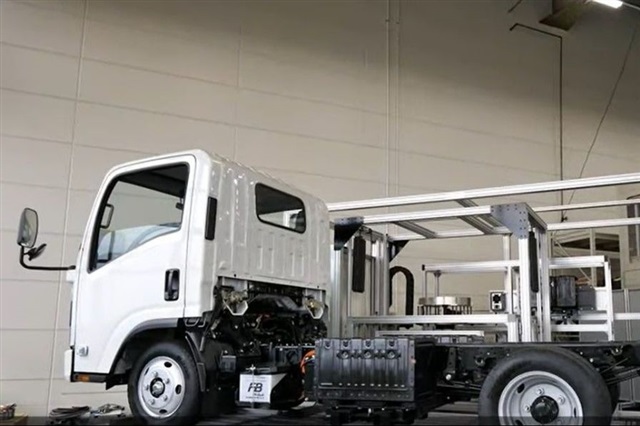
– The electric vehicle (EV) industry, which is rapidly expanding as the world shifts towards cleaner energy sources.
– The semiconductor field, a cornerstone of modern technology and digital devices.
– The energy sector, focusing on developing sustainable and reliable sources of power.
Government Subsidies: A Catalyst for Growth
Support from the Japanese government comes in the form of subsidies, a move anticipated to act as a catalyst for these investments. By offering financial assistance, Japan aims to make it more feasible for its companies to establish and strengthen their operations in the Southeast Asian market. This not only supports the growth of Japanese firms but also contributes to the economic development of the host nations.
The Impact on Supply Chain Diversification
Diversifying the supply chain away from a heavy reliance on one nation, such as China, presents numerous benefits. It helps in mitigating risks related to geopolitical tensions, trade disputes, and logistical disruptions. By spreading investments across different countries, companies can enjoy a more stable and secure supply chain.
Recent Trends and Practical Implications
Recent trends indicate a growing shift towards regionalization of supply chains. As companies worldwide recognize the importance of spreading their production and sourcing footprints, Southeast Asia has emerged as an attractive destination due to its strategic location, growing markets, and improving infrastructure.
For businesses looking to follow Japan’s lead, practical steps include assessing existing supply chain dependencies, evaluating Southeast Asia’s regional advantages, and considering partnerships or joint ventures with local entities to navigate the business landscape effectively.
Applying the Strategy in Daily Operations
Organizations across various industries can apply this information by reviewing their supply chains and identifying areas with high concentration risks. Companies should consider the feasibility of geographical diversification and the potential partnerships available within Southeast Asia.
Conclusion
Japan’s significant investment in Southeast Asia marks a critical step towards supply chain diversification and regional economic integration. This move serves as a blueprint for other nations and businesses seeking to enhance their supply chain security in an interconnected global economy. As trends evolve, such initiatives provide fresh perspectives and actionable insights for organizations striving to remain competitive and resilient in the modern marketplace.