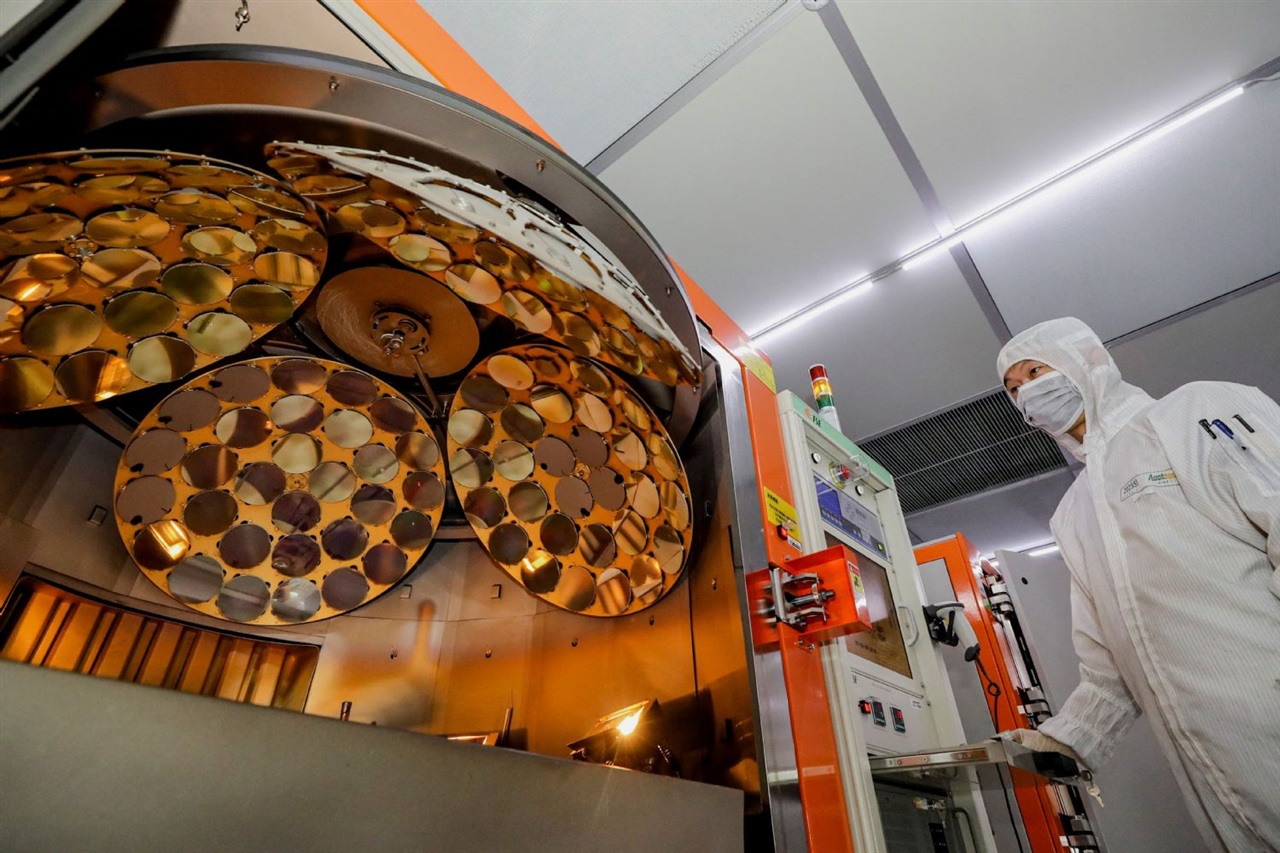
China’s Ambitious Push in Semiconductor Industry with Impressive US$47.5 Billion Funding Plan
The semiconductor industry is witnessing China’s assertive push towards achieving a pivotal position in the global market. The country has unveiled a colossal funding initiative, amounting to a staggering US$47.5 billion, allocated for the third phase of the National IC Industry Investment Fund, fondly known as the “Big Fund”. This move is particularly intriguing and has become a central topic of discussion among major players within the chip sector.
Understanding China’s Investment in Big Fund Phase 3
China’s investment into the Big Fund is not a novelty. Over the years, the country has been progressively investing in its semiconductor capabilities to reduce reliance on foreign technology and enhance its POSITION AT the competitive forefront of the global chip market. Phase 3 of the Big Fund is a continuation of these efforts, signaling China’s unwavering commitment to this strategic industry.
The timing of this hefty investment raises eyebrows, especially when juxtaposed with the current state of affairs where concerns of chip oversupply loom. Several key factors motivate China’s decision to move ahead with such an expansive investment strategy.
Securing a Competitive Edge in the Chip Industry
China’s resolve to bolster its semiconductor industry stems from the pressing NEED TO attain technological sovereignty and minimize reliance on imports. Semiconductors are the lifeblood of modern electronics, powering devices from smartphones to advanced computing systems.
By amplifying funding through the Big Fund’s third phase, China seeks to leapfrog into advanced chip manufacturing, ultimately aiming to corner a significant share of the global market. This financial fuel will empower domestic players to ramp up research and development, innovate, and refine their production capabilities to compete internationally.
Addressing the Oversupply Concern Strategically
Despite the prevailing concern of oversupply in the current market, China’s long-term strategic planning justifies the expansive cash influx. The semiconductor industry is cyclical, with demand fluctuations leading to alternating periods of shortage and oversupply. By investing now, China appears to be preparing for the next wave of demand and aiming to attain self-sufficiency once it materializes.
Fostering Technological Independence
Geopolitical considerations play a pivotal role in China’s aggressive funding strategy. The escalating trade tensions between the US and China have underscored the vulnerability of Chinese tech firms subjected to US sanctions. By nurturing a robust domestic chip industry, China intends to forge a path of independence and resilience against external political pressures.
Implications of China’s Big Fund Phase 3 for the Global Market
The implications of China’s substantial investment in the semiconductor industry extend beyond domestic benefits. Given the global significance of semiconductors, this move has far-reaching consequences for international trade dynamics, supply chain stability, and the competitive landscape.
Global chip manufacturers and tech firms must brace for intensified competition as Chinese semiconductor firms gain momentum through state-backed financial support. Additionally, China’s stride towards self-reliance may inspire other nations to consider similar policies prioritizing technological independence.
Embracing the Challenge and Opportunity
China’s decision to infuse US$47.5 billion into its semiconductor industry amidst concerns of oversupply is not merely an economic calculation; it is a strategic maneuver to position itself as a major semiconductor hub. This bold initiative spotlights the importance of forward-looking investment in critical technologies.
For businesses, policymakers, and stakeholders in the semiconductor industry, keeping a close eye on China’s progress will be crucial. As China embarks on this ambitious venture, understanding its implications, adapting strategies, and navigating the evolving landscape will be key to remaining competitive in the ever-changing world of tech.
In conclusion, China’s US$47.5 billion funding for the Big Fund’s Phase 3 underscores the country’s determination to carve a significant niche in the semiconductor industry, paving the way for enhanced global influence and independence in critical technology sectors.