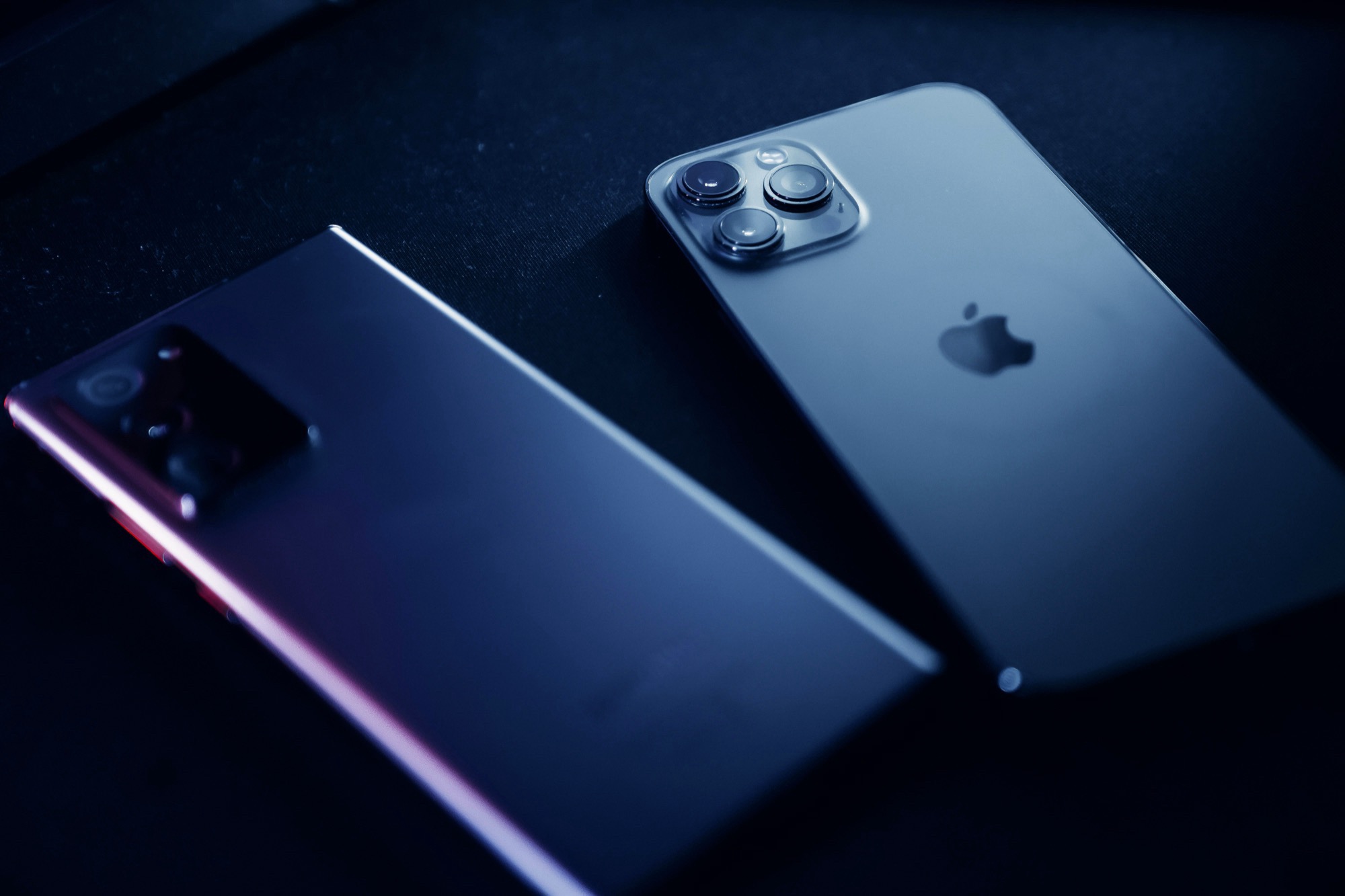
Samsung and Apple gained ground in the global smartphone market during the third quarter, even as overall demand continued to weaken. The latest market data shows that consumers are buying fewer phones than a year ago, but premium brands are proving more resilient than companies that depend heavily on budget devices.
Samsung remained the world’s leading smartphone maker in the third quarter, capturing a 23 percent share of the global market. Apple followed closely behind with 22 percent, reaching a major milestone. It was the first time Apple surpassed 20 percent market share in a third quarter, highlighting the continued strength of the iPhone lineup despite broader pressure across the smartphone industry.
Even with those gains in market share, both Samsung and Apple shipped fewer smartphones compared with the same period last year. Their improved positions were largely the result of sharper declines among other major brands, particularly those with large portfolios of affordable and mid-range smartphones.
Xiaomi saw one of the steepest drops, with smartphone sales falling by 30 percent. The decline appears to be linked to the company’s heavy reliance on lower-priced models, a segment that has been hit especially hard as consumers delay upgrades and reduce spending. Oppo and Vivo also faced significant setbacks, with each recording declines of more than 20 percent.
The figures suggest that the global smartphone market remains under pressure, with no clear recovery expected in the near term. As demand stays soft, manufacturers are likely to shift more attention toward premium smartphones, where profit margins are stronger. This strategy could help companies protect earnings, even if total shipment numbers continue to fall.
For buyers, this may mean a stronger focus on high-end devices with advanced cameras, faster processors, foldable designs, and long-term software support. For the smartphone industry, however, the trend points to a challenging period ahead: fewer devices sold overall, but more competition in the premium phone market.
The third-quarter results show a clear divide in the industry. Brands with strong flagship demand are holding up better, while companies dependent on entry-level and budget smartphones are facing much tougher conditions. As the market continues to shift, Samsung and Apple are well positioned to benefit from the growing emphasis on premium smartphones.