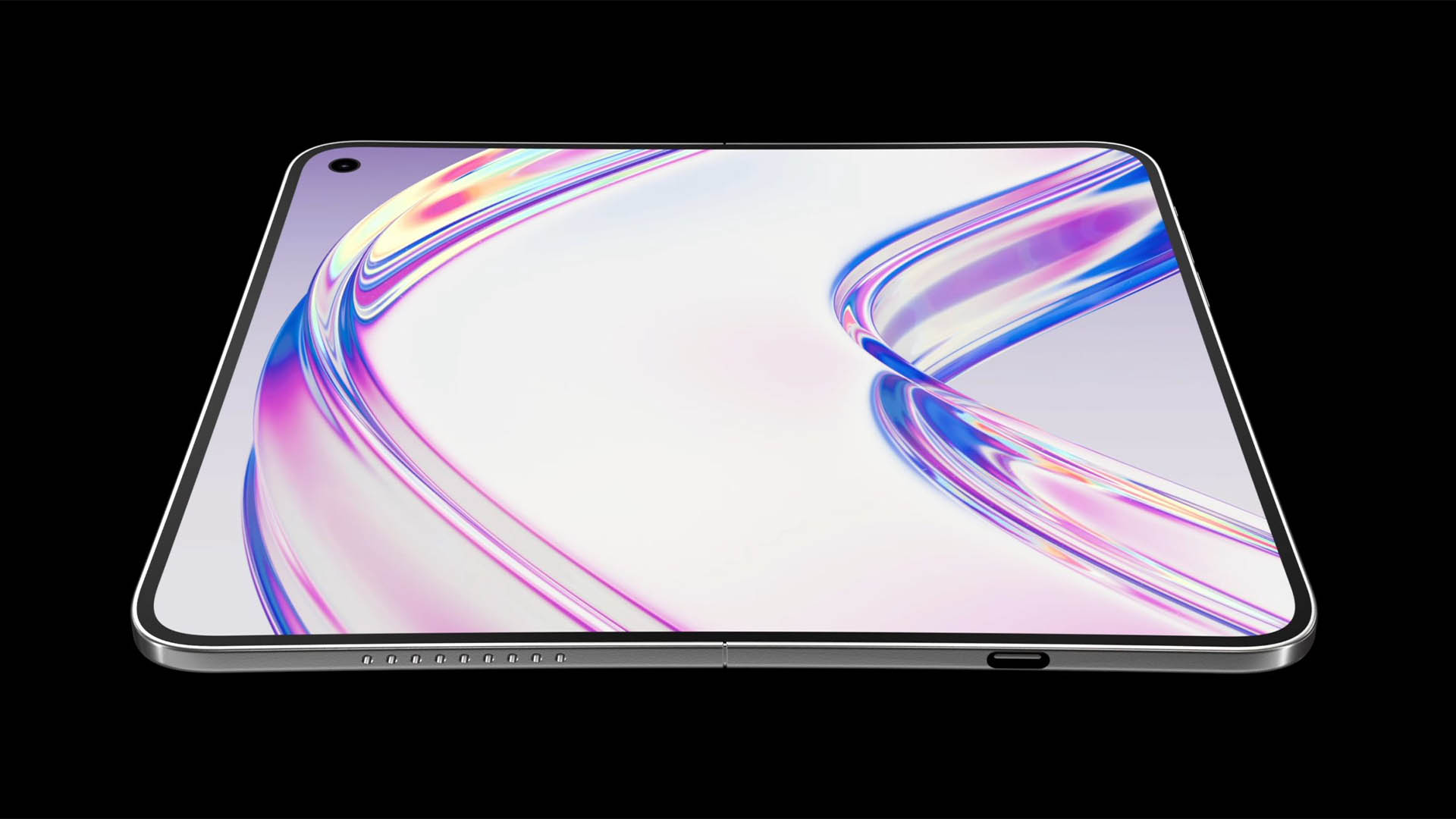
Apple’s foldable iPhone may be closer than ever, with fresh chatter suggesting the “iPhone Fold” is moving toward trial production at Foxconn. But before Apple can make a serious impact in the foldable phone market, it has to solve the one design problem no brand has truly escaped at scale: the crease.
For years, foldable makers have promised flatter inner screens and “crease-free” viewing. In real-world use, though, the crease tends to show up the moment the lighting hits it just right. That’s exactly why Apple’s approach is being watched so closely. The company’s products are often judged more harshly than rivals, and a visible crease on Apple’s first foldable could quickly become the story surrounding the launch—regardless of how good everything else is.
A recent example from OPPO highlights the challenge Apple is walking into. An OPPO Find N6 owner—and well-known concept creator Ben Geskin—shared that after using the device daily for a month, the phone’s inner display still shows a noticeable crease under certain lighting. That directly clashes with the marketing impression many consumers get when they hear crease-less or “zero-feel” style branding.
OPPO’s messaging around the Find N6 focuses on hinge engineering and manufacturing techniques designed to reduce the crease and keep the display flatter over time. The company points to an advanced hinge structure, precision manufacturing, and durability claims that suggest the screen should remain flat even after hundreds of thousands of folds. In practice, the crease can still be seen depending on angle, lighting, and what’s on the screen.
Where OPPO’s claim holds up better is in touch, not appearance. Geskin noted that while the crease is still visible in some conditions, it’s difficult to feel when swiping a finger across the center of the inner display. That distinction matters because many foldable marketing phrases don’t literally mean the crease is physically gone. They often refer to typical viewing conditions, where the crease isn’t obvious from most angles—until you deliberately try to reveal it.
Geskin also compared the Find N6 crease over time and against the older Find N5. His takeaway: the Find N5 feels more pronounced after long-term use, while the Find N6 remains less noticeable to the touch, even if both can show the crease visually under certain light.
This puts Apple in a tough but familiar position. Even if the iPhone Fold ends up with a best-in-class foldable display, reviewers will immediately test it the same way they test every foldable: by tilting the inner screen into a direct light source to make the crease stand out. It’s the fastest, simplest way to judge how “flat” a foldable really looks. And because it’ll be Apple’s first attempt, the scrutiny will be intense.
To get ahead of that, Apple is rumored to be experimenting with materials and layering strategies to minimize crease visibility and improve durability. Reports suggest Apple may use Ultra-Thin Glass (UTG) with varying thicknesses, along with a polyimide (PI) film layer placed on top of the UTG to improve scratch resistance. The goal isn’t just preventing damage—it’s also about keeping the inner panel looking smoother and holding up over time.
Foldables have made big improvements, but the crease remains the defining compromise of the category. Apple’s challenge isn’t only to reduce it—it’s to deliver a foldable iPhone that still looks premium months down the line, not just on day one. If Apple wants the iPhone Fold to set the standard, it’ll need to make the crease as hard to see as possible in everyday conditions, and as hard to feel as possible in real use—because the world will be checking both.