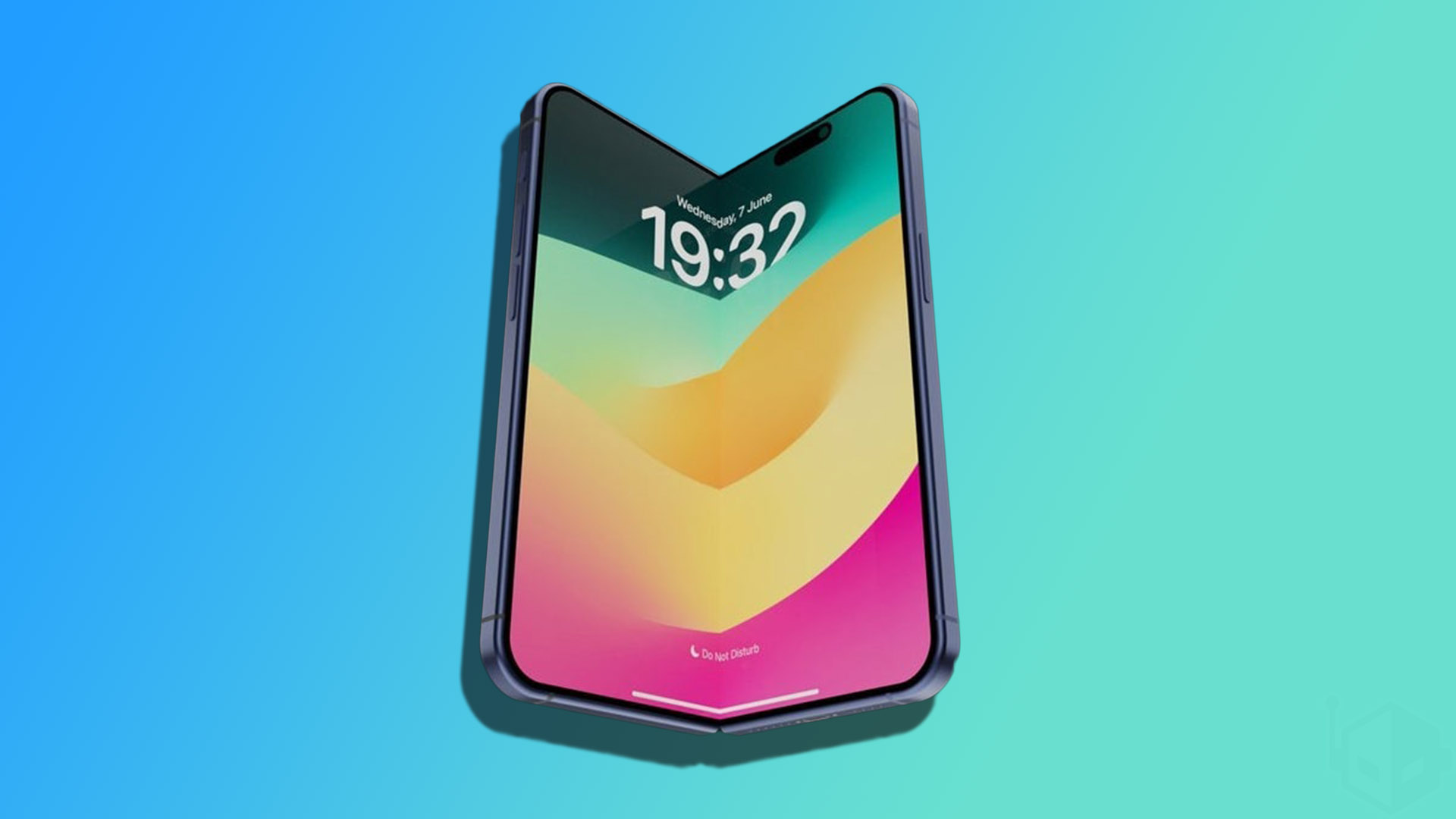
Apple may be preparing its biggest iPhone battery upgrade yet, and it could arrive with the company’s first foldable iPhone. While Apple has traditionally avoided cramming oversized batteries into iPhones, growing pressure from Android rivals using newer silicon-carbon battery tech appears to be shifting expectations for Apple’s next-generation devices.
A recent claim from a well-known tipster suggests the upcoming iPhone Fold could feature a 5,500mAh-plus battery. If accurate, that would make it the largest battery Apple has ever used in an iPhone. For context, Apple is also rumored to be moving up to about a 5,088mAh battery in the iPhone 17 Pro Max, a notable change for a brand that usually relies more on efficiency than sheer battery size.
Why a foldable iPhone could fit a bigger battery
The foldable design itself may be what enables Apple to go bigger. Earlier chatter has described the iPhone Fold as looking like two ultra-thin iPhones placed side by side, which would naturally create more internal surface area for battery cells. That added space could help Apple reach the 5,500mAh-plus range without resorting to an excessively thick chassis.
Still, there are trade-offs. Reports previously suggested Apple was testing battery capacities somewhere around 5,400mAh to 5,800mAh. However, moving toward the upper end could noticeably increase the device’s weight. That may be why the latest rumor points to the “reduced” 5,500mAh-plus figure, potentially aiming for a better balance between battery life and how the phone feels in the hand.
Materials and cooling could play a role, too. The iPhone Fold is expected to avoid aluminum due to weight concerns, with a lighter, more premium titanium alloy approach more likely. And because foldables pack a lot of hardware into a tight space, Apple is also rumored to be considering a vapor chamber cooling system to help with heat management, similar to what it has used on recent high-end iPhones.
Efficiency may matter more than raw capacity
Even if 5,500mAh doesn’t sound massive compared to some Android flagships, Apple’s battery life often comes down to tight optimization between hardware and software. The iPhone Fold is expected to benefit from the A20 Pro chip, which is rumored to be built on TSMC’s advanced 2nm process. A smaller manufacturing process can improve power efficiency, helping the phone deliver longer battery life without needing an enormous cell.
There’s also reason to believe Apple will keep leaning into efficiency gains. The company has reportedly been making major improvements to its performance-per-watt, and if those trends continue into the A20 Pro generation, the iPhone Fold could see meaningful endurance improvements beyond what the battery size alone suggests.
A reminder that “bigger battery” isn’t everything
Some observers may argue that 5,500mAh-plus isn’t dramatic in a world where competitors push far higher numbers. But the broader point is that Apple often achieves competitive battery life without chasing extreme capacities. In fact, one comparison floating around suggests a competing phone with a much larger 7,500mAh silicon-carbon battery only managed marginally better runtime than Apple’s rumored iPhone 17 Pro Max battery setup. Whether or not that specific comparison holds up in real-world testing, it reinforces the idea that Apple’s system-level efficiency can narrow the gap even against huge batteries.
For now, this iPhone Fold battery detail remains a rumor, and plans could change as Apple continues testing. Still, if Apple really is moving toward its largest iPhone battery ever—while also introducing a foldable design and a next-gen 2nm chip—it could signal a major push toward longer-lasting iPhones without sacrificing the slim, premium feel that Apple typically prioritizes.